



Climbing the Großglockner – that sounds like adventure, fresh mountain air, and a summit moment you'll never forget. At 3,798 meters, Austria's highest mountain is a true dream peak and attracts thousands of mountaineers every year. In this guide, you'll learn everything about the Großglockner climb difficulty grade, the most beautiful routes, the right equipment, and our best tips for your summit push.
Großglockner Climb Difficulty Grade: The 6 Most Beautiful Routes
The Großglockner offers you various ascent options – from the classic normal route to real challenges for experienced alpinists. Which route is right for you depends on your fitness, experience, and willingness to take risks.
- Normal Route via Stüdlhütte: The classic and by far the most popular ascent. The route via Adlersruhe (Erzherzog-Johann-Hütte) leads exposed but technically moderate (difficulty II) to the summit.
- Old Kalser Route: A quieter, historic variant starting in Kals. Ideal for those wanting to escape the crowds.
- Stüdlgrat: A demanding ridge at grade IV – only for very experienced climbers.
- Pallavicinirinne: A legendary ice couloir with up to 55° steepness. Real high alpinists only!
- Mayerlrampe: A combined ice and rock tour over the north face.
- Northwest Ridge with Teufelshorn: Long, combined tour with alpine demands and spectacular panorama.
For beginners in high altitude mountaineering, the normal route via Stüdlhütte is the best choice. Be sure to plan an overnight stay at one of the huts to better acclimatize to the altitude.
The Right Equipment for the Großglockner Climb
Anyone wanting to climb the Großglockner needs professional high altitude mountaineering equipment. On the glacier and in the exposed passages, it's not just comfort – it's essential for survival.
- Crampon-compatible mountain boots (category C/D)
- Crampons, ice axe, and climbing harness
- Helmet due to rockfall hazard
- Rope, slings, carabiners, and ice screws
- Weatherproof hardshell jacket and pants
- Warm Merino functional underwear as a reliable base layer and fleece midlayer
- Gloves (thin and warm), hat, buff
- Glacier glasses with side protection and sunscreen SPF 50+
- Sturdy water bottle or thermos – fluid intake is easily underestimated at 3,000 m
- Headlamp for early start
- Energy bars, muesli bars, grape sugar
Tip from Alpin Loacker: A double-walled stainless steel bottle keeps your drink warm for hours even in the cold – invaluable at sunrise on the Adlersruhe. Those who rely on body function benefit from the special properties of Merino wool: temperature-regulating, odor-neutral, and pleasant to wear even after several days on the mountain.
Preparation & Training: How to Succeed in Your Summit Push
Climbing the Großglockner is no Sunday walk. Good physical fitness is essential. Plan at least three to six months of targeted preparation.
- Endurance: Long hikes with a backpack, trail running, or cycling strengthen your cardiovascular system.
- Strength: Leg strength and core stability are essential – squats, lunges, and planks belong in your training routine.
- Altitude Acclimatization: Spend at least one night above 2,000 m before the summit day, ideally at Stüdlhütte (2,802 m) or Erzherzog-Johann-Hütte (3,454 m).
- Technique: Master crampon and ice axe technique, rope team on glacier, and belay techniques securely.
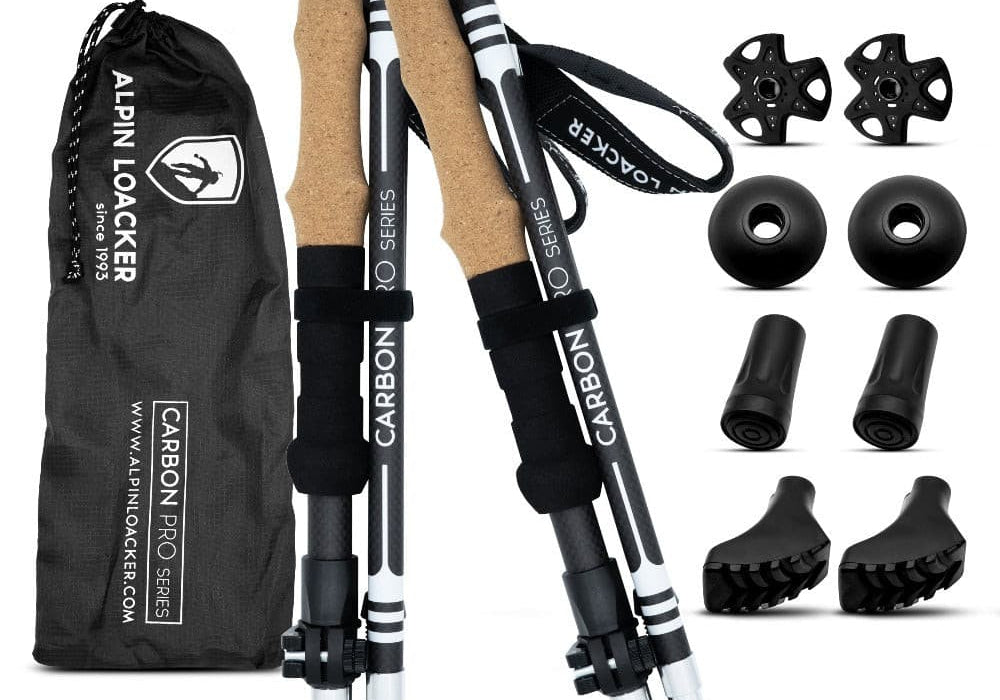
Trekking poles significantly reduce strain on the long approach marches. In our Trekking Poles Test 2026 with Carbon and Aluminum comparison, you'll find the right model for high altitude tours. For those who prefer lightweight options, try a collapsible trekking pole that fits compactly on your backpack.
If you're unsure, definitely book a state-certified mountain guide. The costs of about 400–600 € per person are well worth it – for safety, local knowledge, and a relaxed summit experience.
Best Season, Safety & Difficulty Grade at a Glance
The best time to climb the Großglockner is between mid-June and mid-September. During this period, the huts are open, the paths are snow-free, and the weather is usually stable. In early summer there may still be old snow, while in late summer the rock becomes more brittle as glaciers retreat.
Our most important safety tips:
- Check Weather Forecast: Afternoon thunderstorms are notorious in the Hohe Tauern – start early!
- Early Start: From Adlersruhe, departure is usually between 4 and 5 a.m.
- Rope Team: On the glacier, using a rope team is mandatory.
- Realistic Assessment: Turning back is not a defeat – the mountain isn't going anywhere.
To ensure your functional clothing remains reliable even after several high altitude tours, check our guide on how to properly wash and care for Merino wool.
FAQ on Großglockner Climbing
What Difficulty Grade is the Großglockner Climb?
The normal route via Stüdlhütte is rated difficulty II and is considered a demanding high altitude tour with exposed passages. The Stüdlgrat is grade IV, the Pallavicinirinne is in the high alpine ice range. For most mountaineers, the normal route is the appropriate entry point to the Großglockner climb difficulty grade category.
How Long Does It Take to Climb the Großglockner?
Plan for two days: On the first day, you ascend to Stüdlhütte or directly to Erzherzog-Johann-Hütte (approx. 3–5 hours). Summit day takes 6–10 hours depending on the route, including descent.
Do I Need a Mountain Guide for the Großglockner?
If you don't have reliable high altitude mountaineering experience and don't master crampons, ice axe, and crevasse rescue, a state-certified mountain guide is essential. Even experienced alpinists benefit from local knowledge – especially with changeable weather or difficult conditions on the summit ridge.