





Sooner or later, every outdoor enthusiast asks themselves: "How do I make my rain jacket waterproof again?" Especially when the clothes underneath get wet, a quick and sustainable solution is needed. In this article, we show you how to waterproof your rain jacket made easy: incl. instructions – step by step, with all the important tips and tricks. This way, you save costs in the long term, conserve valuable resources, and significantly extend the lifespan of your outdoor clothing. Because: A well-maintained rain jacket can be a reliable companion for many years.
What does waterproofing actually mean?
Before we look at how to treat your clothing properly, it's worth examining the basics. In simple terms, waterproofing ensures that water beads off your jacket instead of seeping in. With frequent use, the wind and moisture protection of hardshell jackets and pants diminishes. Friction, dirt, sweat, and UV radiation attack the protective DWR layer (Durable Water Repellent).
To ensure lasting protection, you should therefore regularly care for and re-waterproof your clothing. Similar to proper care of merino wool, the rule is: those who treat their functional clothing well will enjoy it for a long time.
How can I tell if the waterproofing still works?
You can tell whether the waterproofing is still doing its job by checking the moisture protection. Normally, water droplets bead off your hardshell jacket and simply run down the fabric. This keeps you comfortably dry.
But it's not just waterproofness that matters – breathability also depends directly on the waterproofing. When you sweat while hiking or climbing, water vapor is created. With a good hardshell jacket, this can escape to the outside through the membrane and ensures a comfortable body climate.
If the waterproofing is insufficient, a film of water forms on the outside. The water vapor remains trapped inside, the jacket sticks to your body, and you feel clammy. This is simply because breathability only works when the fabric stays dry on the outside. By now, you should definitely take action. Anyone on longer tours – for example with an ultralight backpack for winter tours – is particularly dependent on reliably water-repellent clothing.
Waterproof your rain jacket made easy: incl. instructions step by step
As is often the case in life, there is no single solution. We present the most common methods with which you can reliably make your rain jacket waterproof again.
Option 1: With waterproofing spray
Waterproofing spray is suitable for all jackets regardless of the model – whether rain or winter jacket. Here's how to proceed:
- Preparation: Close all zippers and wash your jacket according to the care label. Only clean clothing can be properly waterproofed – dirt, dust, and grease prevent effectiveness.
- Check the label: Some sprays are applied to damp, others to dry textiles. Check the instructions for this.
- Spray outdoors: Hang the jacket on a hanger and choose a sheltered spot outdoors. This way you won't inhale the spray.
- Apply evenly: Spray the outside evenly. Don't forget heavily used areas such as shoulders, seams, pockets, zippers, back, and hood.
- Let it work: After a few minutes, wipe off excess spray with a clean cloth to prevent stains.
- Dry: Let the jacket air dry – unless the spray requires heat activation in the dryer or with an iron.
Option 2: With wash-in waterproofing
For heavily used jackets, waterproofing in the washing machine is often more effective because the product fully penetrates the fabric. Important: The washing drum should be residue-free beforehand, as detergent residues reduce effectiveness. The liquid waterproofing agent goes into the detergent compartment, then wash on gentle cycle.
Option 3: Activation through heat
Many modern waterproofing treatments reach their full effectiveness only through heat. A short cycle in the dryer (if the care label allows) or careful ironing at low temperature with an ironing cloth noticeably reactivates the DWR layer.
Tips for long-lasting protection
To keep your rain jacket waterproof for as long as possible, some simple care habits help:
- Wash regularly: Dirt and body oils render the waterproofing ineffective. A clean jacket protects better.
- Use special detergent: Regular all-purpose detergent can damage the membrane.
- Store properly: Hang the jacket dry and airy – don't stuff it crumpled in your backpack.
- Combine sensibly: If you wear breathable base layers underneath, such as men's merino function underwear, the system of jacket and clothing remains optimally functional.
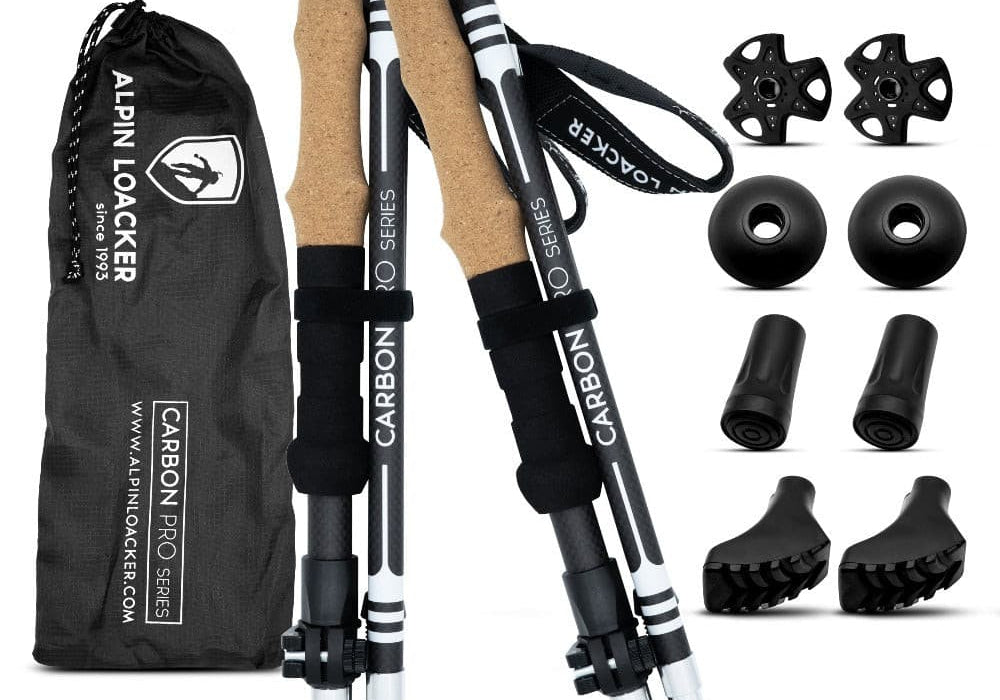
It also pays to invest in quality for your other equipment – such as durable carbon trekking poles that reliably accompany you on every tour.
Frequently asked questions about waterproofing
How often should I waterproof my rain jacket?
It depends on how often you use it. As a rule of thumb: as soon as water no longer beads off but instead seeps into the fabric, a new waterproofing is due. With intensive outdoor use, this may be necessary once or twice per season.
Can I also waterproof softshell or winter jackets?
Yes. Waterproofing sprays also work on softshell, down, or winter jackets. Pay attention to product-specific instructions – down jackets often require a special product that doesn't affect loft.
Is waterproofing harmful to the environment?
Traditional waterproofing treatments long contained PFC compounds. Today, there are many PFC-free alternatives that are significantly more environmentally friendly and safer for humans. When buying, look for appropriate labels – this way you combine functionality with sustainability.