



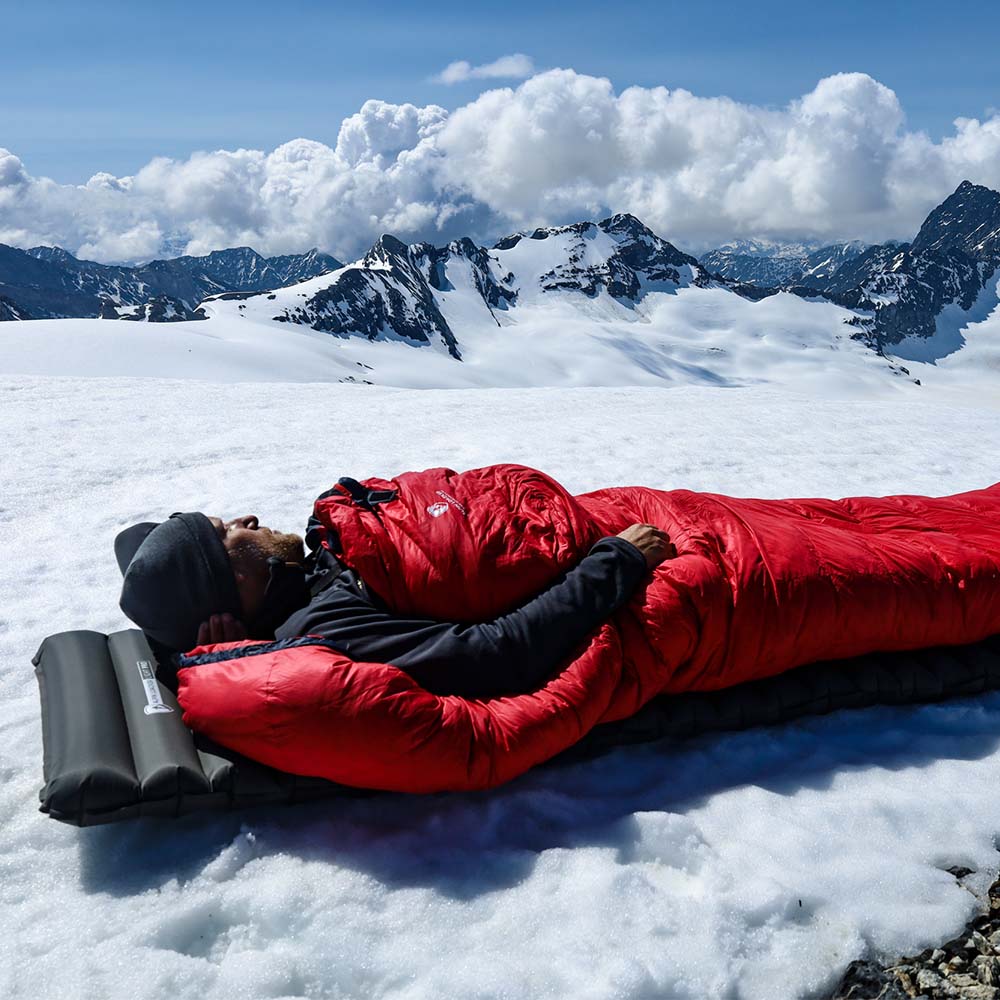




A high-quality sleeping pad is the foundation for restful sleep outdoors. It not only protects against ground cold – up to 70% of heat loss occurs downward – but also provides the necessary comfort on hard, uneven ground. When buying a sleeping pad, the R-value, packed size, and weight determine which model is best suited for your planned tour. At Alpin Loacker, you'll find sleeping pads for camping, trekking, and bivouacking – inflatable, self-inflating, and foam mats. Free shipping from €50.
Which camping sleeping pad is right for you?
Camping sleeping pads fall into three main categories, which differ in comfort, weight, and durability:
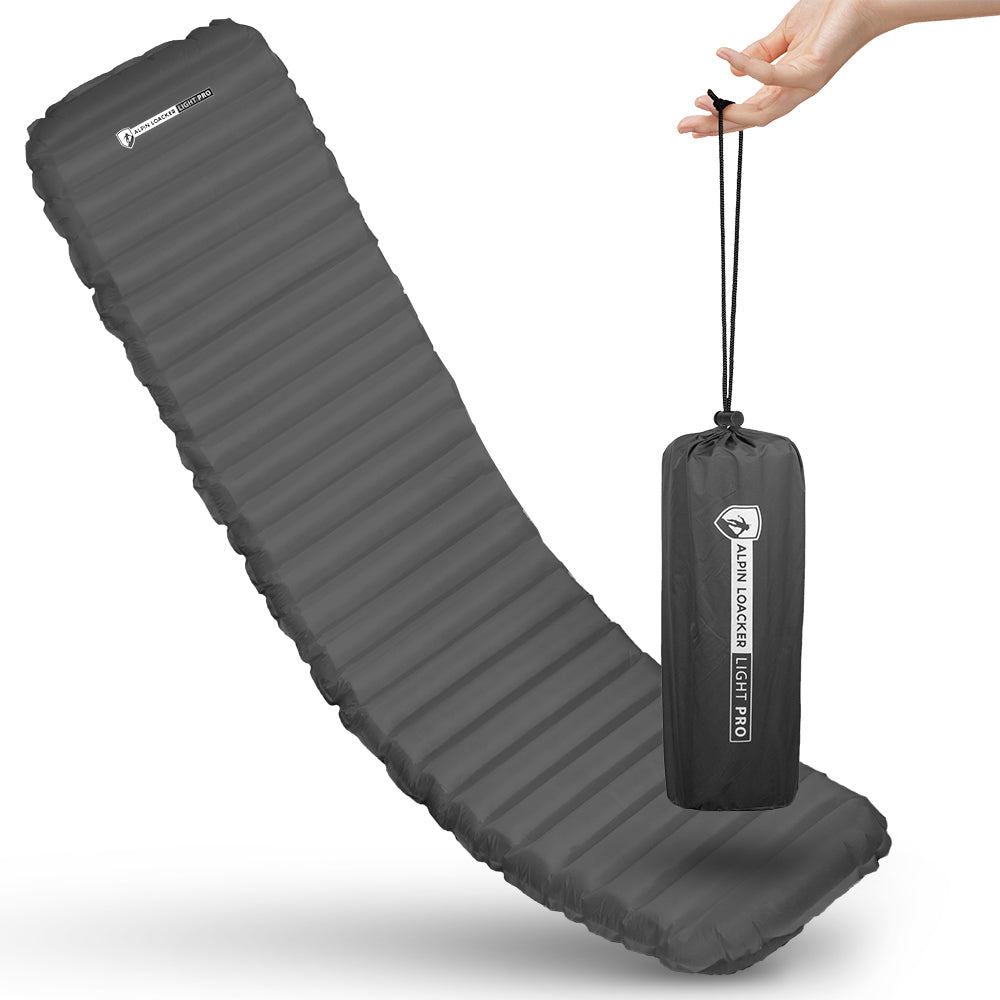
- Inflatable sleeping pads: Best weight-to-warmth ratio, most compact packed size, R-value up to 4+. Ideal for multi-day trekking tours and ultralight mountaineers
- Self-inflating sleeping mats: Foam + air, no pumping needed, robust and easy to care for – great for hut tours and family camping
- Foam sleeping pads: Indestructible, no puncture risk, affordable – perfect as a complement or for beginners
Choose the right R-value for every season
The R-value (Thermal Resistance) measures the insulation performance of the sleeping pad – the higher, the better the protection against heat loss. For a lightweight camping sleeping pad in summer, R1–2 is sufficient. For three-season tours, we recommend R3–4; for winter camping and alpine tours from autumn onwards, at least R5. Alpin Loacker offers sleeping pads for all temperature ranges – with precise R-value specifications according to ASTM standards for true comparability.
Buying a sleeping pad: What really matters?
Besides the R-value, packed size, weight, and dimensions determine everyday practicality. An inflatable sleeping pad can be compressed to drinking bottle size and weighs under 400 g – ideal for long tours where every gram counts. As a complement to a down sleeping bag, the right sleeping pad doubles your warmth system and significantly extends the temperature range of use.
What does the R-value mean for sleeping pads?
The R-value measures resistance to heat conduction – higher is better. R1–2: Summer and warm nights. R3–4: Three-season tours. R5+: Winter, snow, and high mountains from autumn onwards. For alpine tours from October, we recommend at least R3.5.
Inflatable sleeping pad or foam – what's better for camping?
Inflatable sleeping mats are lighter, more compact, and significantly more comfortable – ideal for multi-day trekking tours. Foam mats are cheaper, indestructible, and without puncture risk – good for huts, bivouac nights on rough terrain, and as a supplement to an inflatable mat. For ultralight tours: inflatable. For beginners and group trips: foam or self-inflating.
How do I repair a leak in my inflatable sleeping pad?
Locate the leak underwater, dry the area, apply the repair patch from the included repair kit with adhesive, and let it cure for 24 hours. A small repair kit should always be in your pack with inflatable mats – the weight is minimal, the safety is maximum.