



An alpine crossing from Garmisch to Sterzing is one of the most impressive hiking experiences you can have in the Alps. For days you're in harmony with nature, breathing pure mountain air and leaving everyday life far behind. It's not your calendar that sets your rhythm, but the sun. But as fascinating as transalp hiking is – you shouldn't set out without thorough preparation. In this article you'll find the most beautiful routes, practical equipment tips, and answers to the most frequently asked questions about your alpine crossing.
The most beautiful routes for your alpine crossing
Not every route is suitable for every hiker. Beginners should focus on moderate stages, while experienced mountaineers can certainly choose more challenging routes. The E5 long-distance trail is particularly popular, but numerous other tours also offer unforgettable experiences. Which route suits you depends on your fitness level, available time, and personal preferences.
Alpine crossing from Oberstdorf to Meran
This classic tour is part of the E5 long-distance trail and takes you in 7 to 9 days from the Allgäu to South Tyrol. With a length of around 111 kilometers and six stages, the route is quite demanding in terms of fitness – ideal for experienced hikers. The highest point is at Niederjoch at 3,019 meters. Along the way you traverse the Allgäu, Lechtal and Ötztal Alps as well as the Schnalstal and even come close to the Ötzi discovery site.
Alpine crossing from Lake Tegernsee to Sterzing
Looking for a beginner-friendly option? Then the route from Lake Tegernsee to Sterzing is just right for you. With about 20 kilometers daily and a maximum of 900 meters of elevation gain, it's also suitable for hikers with less mountain experience. The stages take you through gentle alpine landscapes, past crystal-clear mountain lakes and cozy huts – a perfect introduction to the transalp adventure.
Alpine crossing from Garmisch to Sterzing – A classic with charm
The alpine crossing from Garmisch to Sterzing is one of the most popular transalp routes in the German-speaking region. It combines alpine high mountain landscapes with picturesque valleys and ends in sunny South Tyrol. Over around 100 kilometers you overcome several mountain passes and enjoy spectacular panoramas, from the jagged rocks of the Wetterstein Range to the soft slopes of the Pflerscht Valley.
The tour is suitable for sure-footed hikers with good basic fitness. You'll stay in rustic mountain huts, get to know alpine culture, and can enjoy regional specialties after each stage. Plan about 6 to 7 days for the alpine crossing from Garmisch to Sterzing – enough time to truly experience the landscape's diversity.
Preparation and equipment for your transalp tour
Good preparation is essential. Start targeted fitness training several months before the tour – endurance runs, mountain hikes and strength training help you go up the mountain fit. Equipment is equally important. Choose proven materials that are light, functional and durable.
- Functional clothing: Breathable layers regulate body temperature. High-quality merino wool offers numerous benefits, as it keeps you warm, wicks moisture outward and remains odor-neutral.
- Socks: Blisters are every multi-day hike's nightmare. With the right merino socks for your feet, you can effectively prevent pressure points and friction.
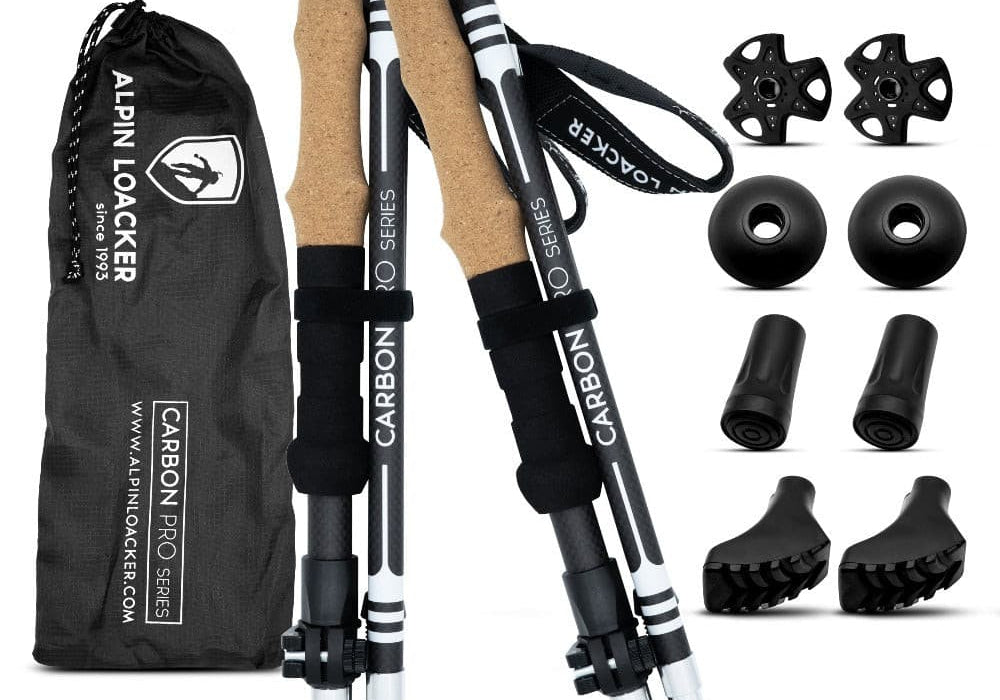
- Trekking poles: They relieve stress on knees and joints. Find out which model works best for you in the current trekking poles test 2026 with carbon and aluminum comparison.
- Backpack: 30 to 40 liters volume is usually sufficient. An ultralight backpack with 40 liter capacity saves valuable weight on long stages.
- Sleeping gear: A hut sleeping bag is enough in staffed huts. For bivouac stages, a lightweight set is worthwhile, such as an ultralight sleeping pad with a good balance of insulation and comfort.
Tips for more safety and enjoyment on the trail
Even though anticipation is high – safety comes first. Study the stages carefully, check the weather multiple times daily, and reserve hut places early. Drink regularly, eat energy-rich snacks and take breaks. Listen to your body: if a stage becomes too long, there are often alternatives or shuttle services.
Plan buffer time, as weather changes in the high mountains can alter your tour anytime. A first aid kit, a charged mobile phone and a map (analog or digital) belong in every backpack. Anyone traveling alone should also let someone know where they are.
FAQ about alpine crossings
What is the easiest alpine crossing?
The easiest alpine crossing is the route from Lake Tegernsee to Sterzing. The daily 20 kilometers with a maximum of 900 meters of elevation gain are manageable even for beginners and still offer an authentic mountain experience.
How long does an alpine crossing take?
The duration of an alpine crossing varies depending on the route. There are tours that can be done in 5 or 7 days. Other transalp hiking routes, however, take significantly longer and can extend over several weeks.
What equipment is really necessary for the alpine crossing from Garmisch to Sterzing?
For the alpine crossing from Garmisch to Sterzing you need sturdy, well-broken-in hiking boots, breathable functional clothing made from merino wool, a lightweight backpack, trekking poles, rain protection and a hut sleeping bag. A headlamp, sun protection and a small first aid kit are also part of the basic equipment.