
Which ultralight sleeping mats offer the best mix of insulation and comfort

Welche Ultraleicht Isomatten den besten Mix aus Isolation und Komfort bieten

A restful night in the tent determines how much energy you'll have on the trail the next day. That's exactly why experienced outdoor enthusiasts rely on ultralight sleeping mats that save weight while providing reliable insulation. Modern sleeping mats combine a compact packed size with stable thermal performance – an advantage that really counts on multi-day tours. Those planning long distances should therefore focus on the right balance.

Why weight and insulation work together in sleeping mats

Multi-day tours mean long distances with a backpack. Every extra gram adds up – by the end of the day you feel every detail of your equipment. Ultralight sleeping mats significantly reduce overall load, but weight alone shouldn't be the only criterion. A mat that's too thin leads to pressure points and heat loss, while an overly heavy model slows you down.

The right mix of weight, thickness, and insulation determines comfort. Alpin Loacker develops sleeping mats that aim for exactly this balance: lightweight materials meet stable construction. Those who want to pay attention to matching companion equipment will find the ideal complement for efficient packing in the ultralight 40-liter backpack for winter tours.

The R-value – crucial for cold nights

The R-value describes how well a sleeping mat protects against ground cold. A higher R-value means better heat retention. Summer mats often have lower values, while colder conditions require significantly more insulation. Ultralight sleeping mats use special air chambers or insulating layers that reduce heat loss without adding much weight. For tours in spring or fall, a medium to higher R-value makes sense.

Thickness provides better sleep

Side sleepers and restless sleepers especially benefit from thicker mats. More height creates distance from the ground, and a good ultralight sleeping mat distributes pressure evenly. Hips and shoulders sink in slightly while the rest of the body stays stable. This effect reduces pressure points and significantly improves sleep quality. For more inspiration, take a closer look at the best sleeping mat for side sleepers.

Construction, packed size, and materials in detail

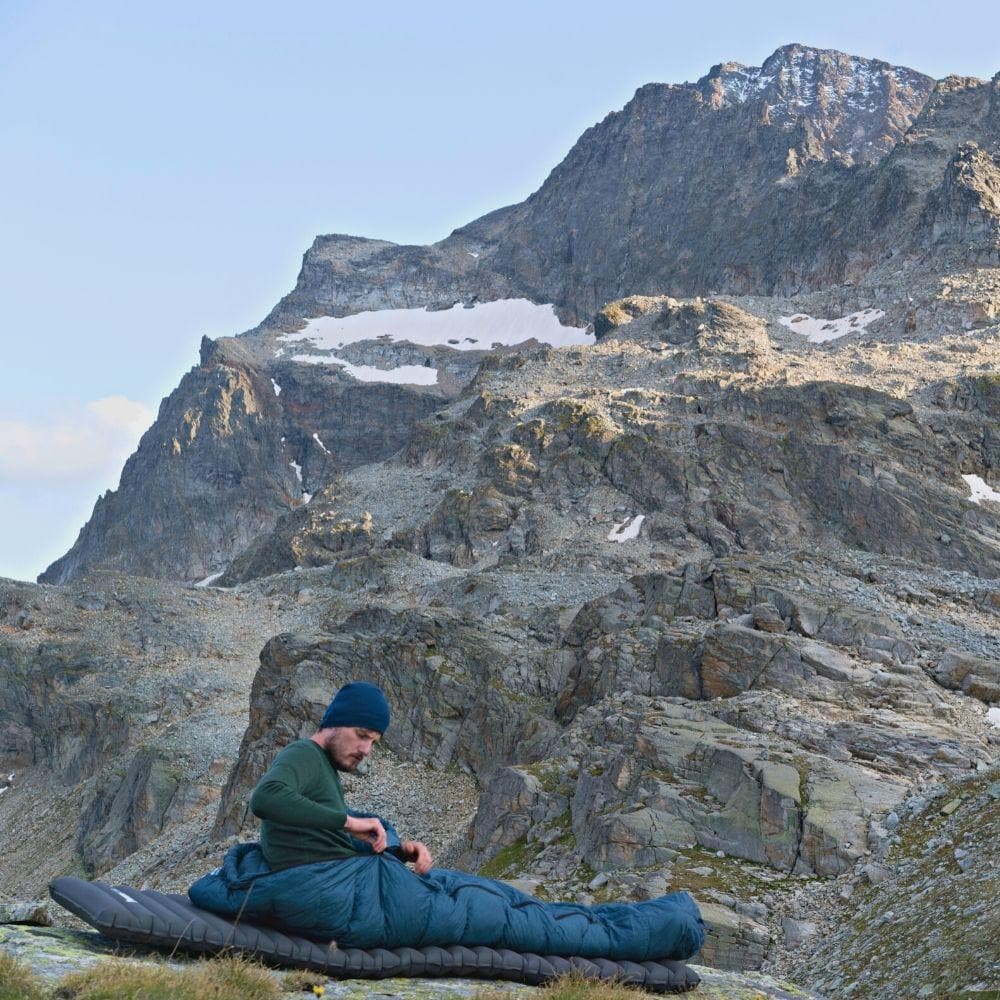
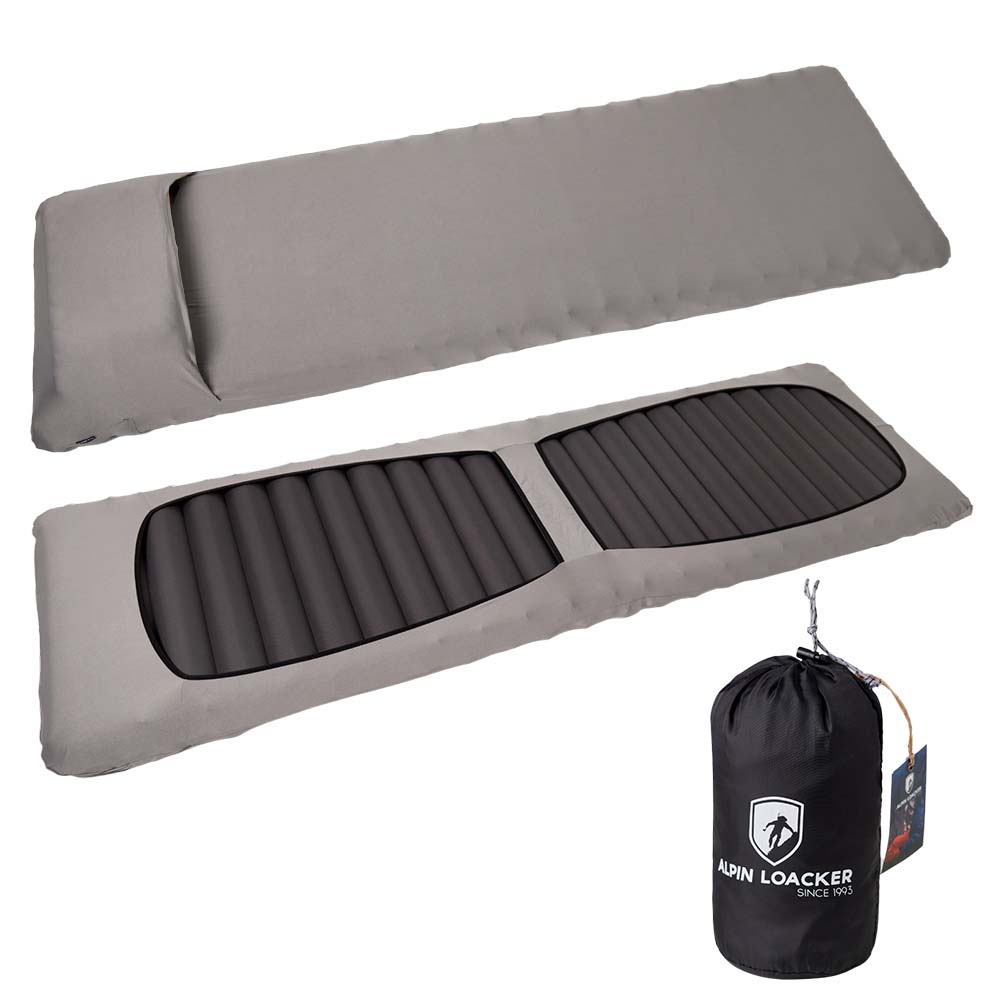
The internal structure of a sleeping mat significantly influences stability and comfort. Horizontal chambers provide stable lying surfaces, while honeycomb structures distribute weight more evenly. Good constructions prevent rolling during the night – especially on slightly sloped terrain, an important advantage. Alpin Loacker relies on stable chamber structures that compensate for movement while remaining lightweight.

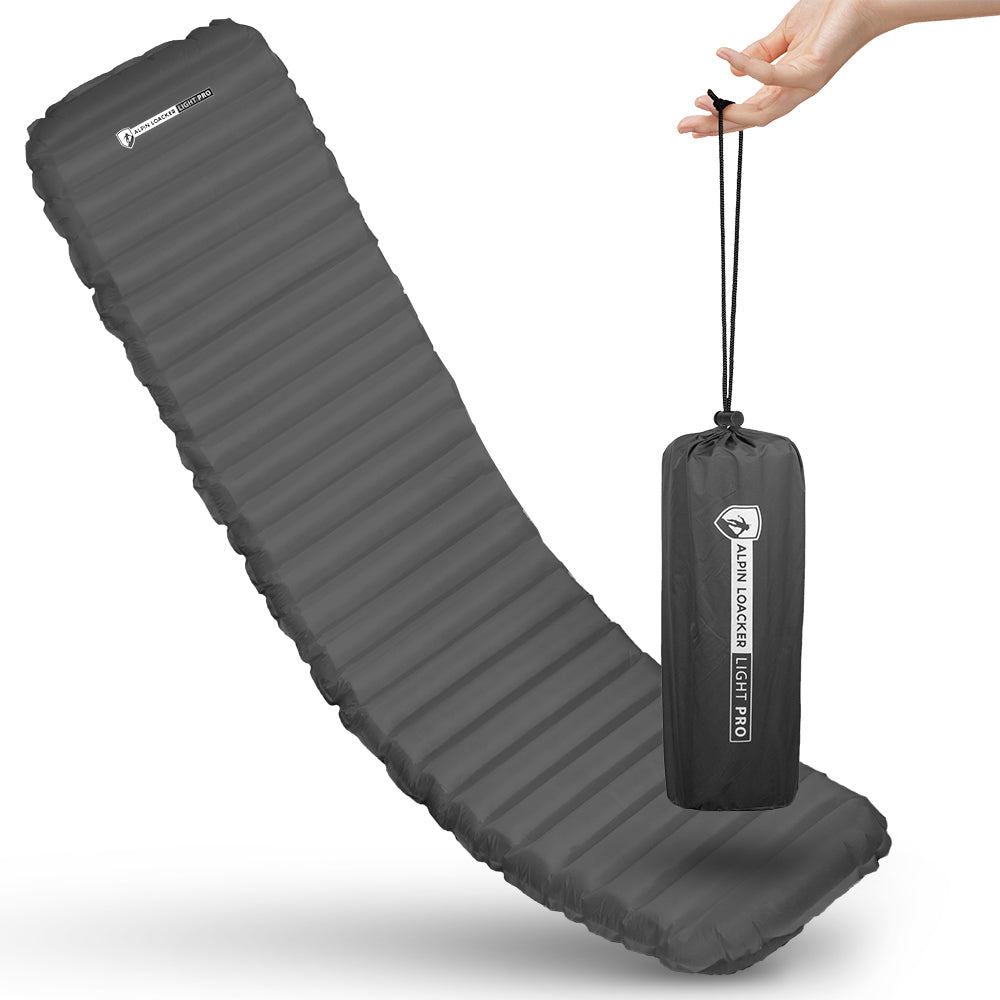
Ultralight sleeping mats roll up compactly and save valuable space in your backpack. Many models fit easily into the bottom of the backpack or a side pocket. Compression straps help with storage. For trekking, bikepacking, or alpine tours, a small packed size is essential.

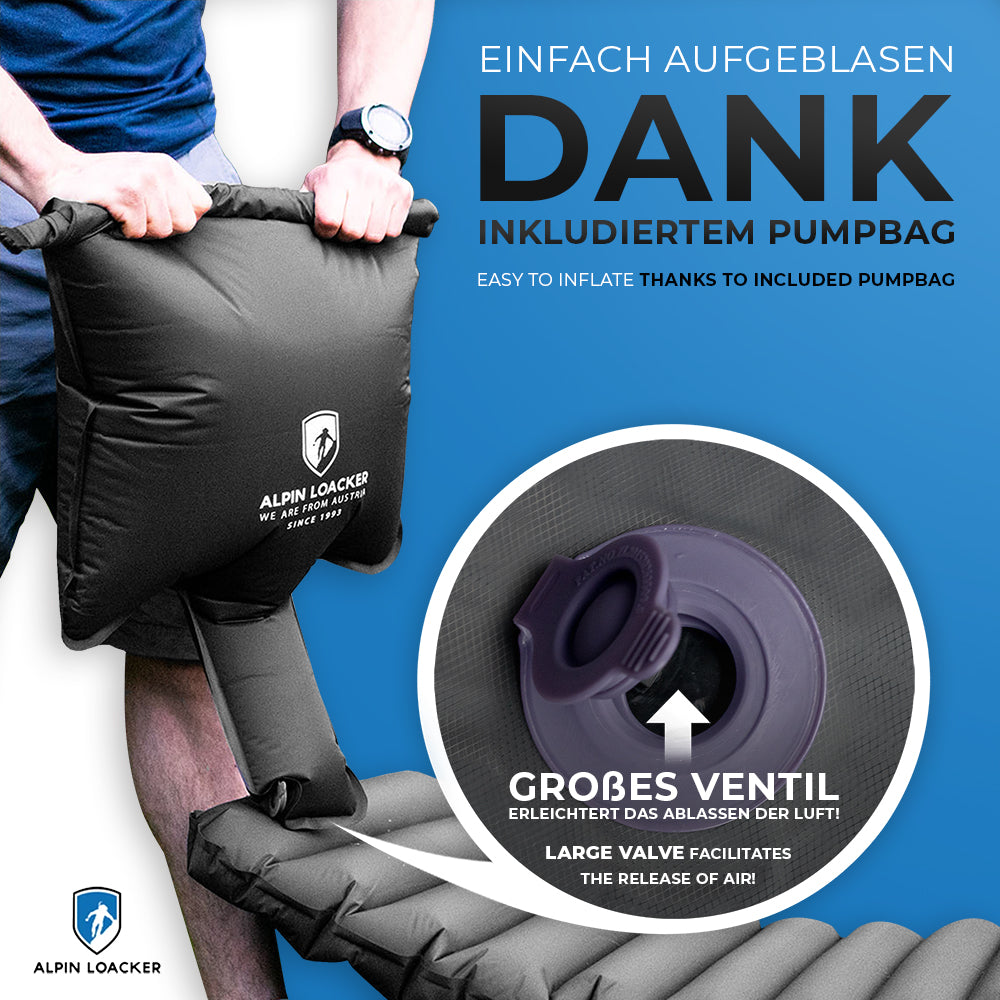
Material also plays a central role: lightweight fabrics must be durable at the same time. Outdoor surfaces are rarely perfect – stones, roots, or hard ground place high demands. High-quality sleeping mats use durable, lightweight fabrics, and reinforced valves make inflation easier and prevent air loss. Alpin Loacker combines lightweight materials with durable construction so your mat lasts through many tours. Tips for protecting your equipment can be found in the article on waterproof hiking backpacks.

The right sleeping system for every tour

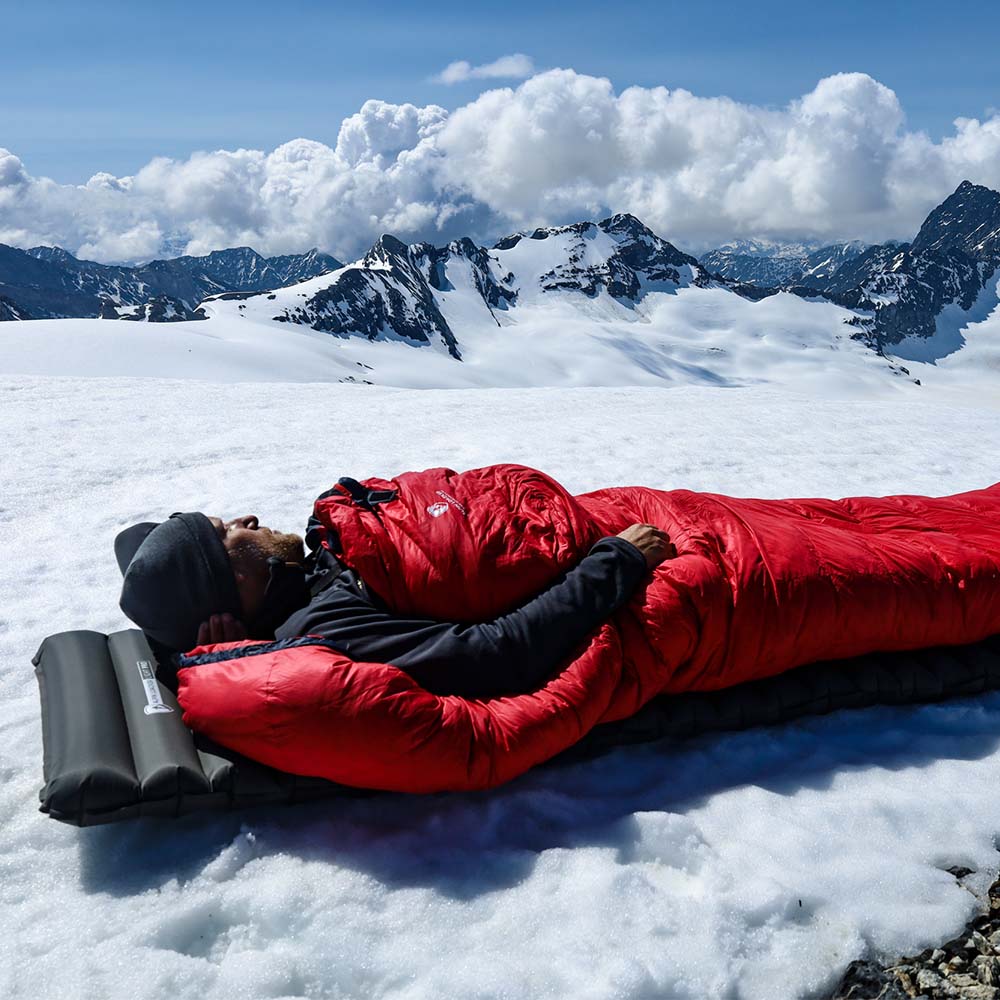
A sleeping mat always works together with the sleeping bag. Both components together determine thermal performance. Even a very warm sleeping bag loses effectiveness without proper ground insulation. That's why a high-quality ultralight sleeping mat is worthwhile. In extremely cold conditions, an additional thin foam mat can be placed underneath. Those who want maximum warmth should take a closer look at the ultralight down sleeping bag.

Ultralight sleeping mats are particularly suitable for:

  • Trekking tours and long-distance hiking trails with extended gear transport
  • Bikepacking, where space and weight are limited
  • Alpine tours with long approaches and elevation gain
  • Minimalist campers who don't want to sacrifice comfort

The surface also plays a role: if you're out in winter, you should also pay attention to the appropriate ultralight tent for cold nights to reliably keep wind and moisture away.

Conclusion: The best balance between weight and comfort

Ultralight sleeping mats offer the best balance of weight, insulation, and comfort when chosen correctly. Thickness, R-value, and chamber construction play the decisive role. High-quality sleeping mats from Alpin Loacker combine low weight with stable thermal performance – ideal for anyone who wants to sleep well outdoors and wake up full of energy the next morning. Those who want to optimize the entire system benefit additionally from a lightweight backpack with maximum carrying comfort.

FAQ – Frequently asked questions about ultralight sleeping mats

Which ultralight sleeping mats offer the best comfort for side sleepers?

Side sleepers benefit from mats at least 7–9 cm thick with a stable chamber structure. This way, hips and shoulders sink in pleasantly without touching the ground. Honeycomb-shaped air chambers distribute pressure particularly evenly and provide restful sleep even on long tours.

Which R-value is ideal for three-season tours?

For tours in spring, summer, and fall, an R-value between 3 and 4 is recommended. This protects you well against cool nights without carrying unnecessary weight. For pure winter use, the R-value should be higher or supplemented with a second foam mat.

How do I properly care for my ultralight sleeping mat?

Clean the mat after each tour with a damp cloth and mild soap. Dry it completely before storing to prevent mold and odor. Store the mat loosely rolled or lying flat – not permanently compressed. This keeps materials and valves functioning properly long-term.


0 comments

Leave a comment

Please note, comments must be approved before they are published