



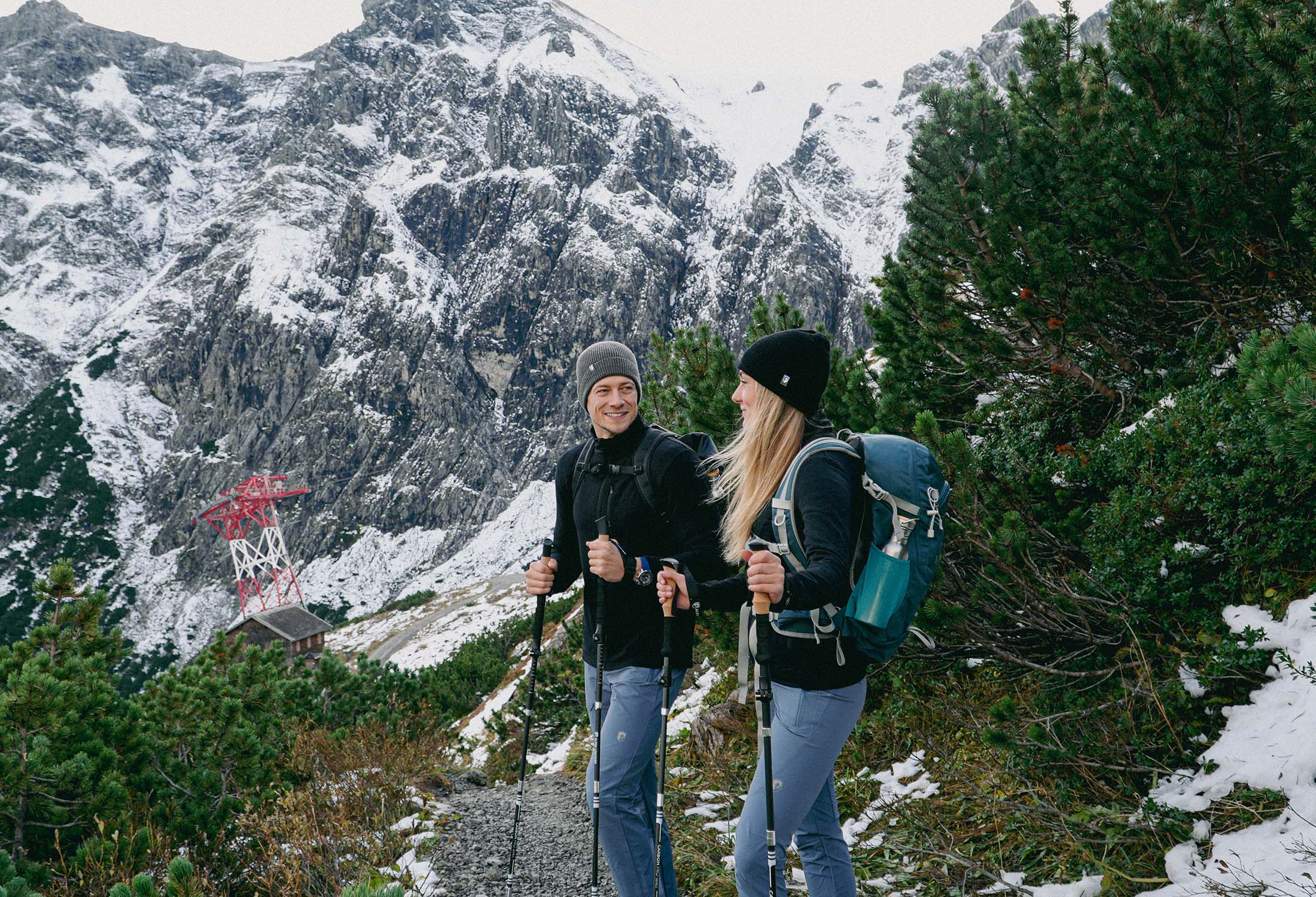

Slippery snow, icy paths, or wet rocks. This is exactly where the question arises: Which trekking pole tip gives you secure footing in February? Choosing the right tip determines grip, stability, and safety. Especially with lightweight carbon trekking poles from Alpin Loacker, the right combination of pole and tip really pays off.
Why the tip is so important
The tip is the direct contact with the ground. It determines how well the pole grips and how stable your support is. In winter, surfaces often change within just a few kilometers. Hard snow in the morning, muddy paths at midday, later asphalt in the valley.
An unsuitable tip reduces grip and increases the risk of slipping. With the right attachment, you stay in control on your journey.
Metal tip for snow and ice
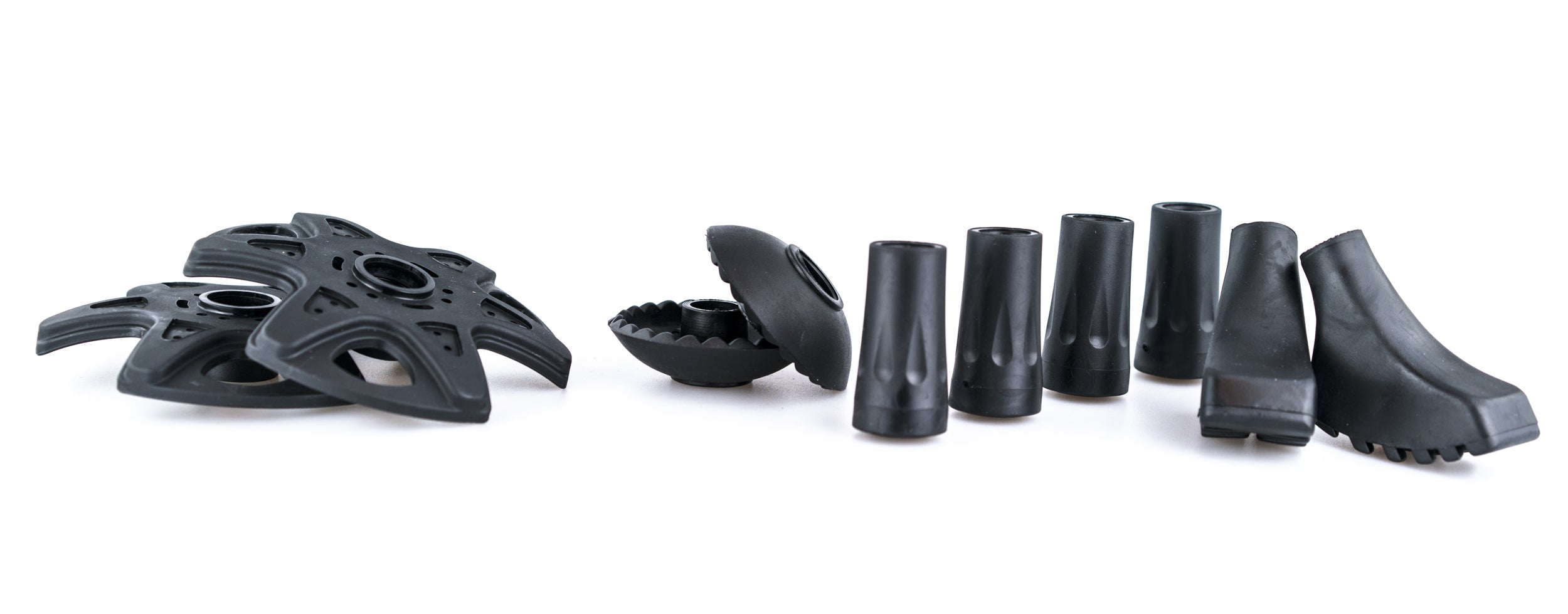
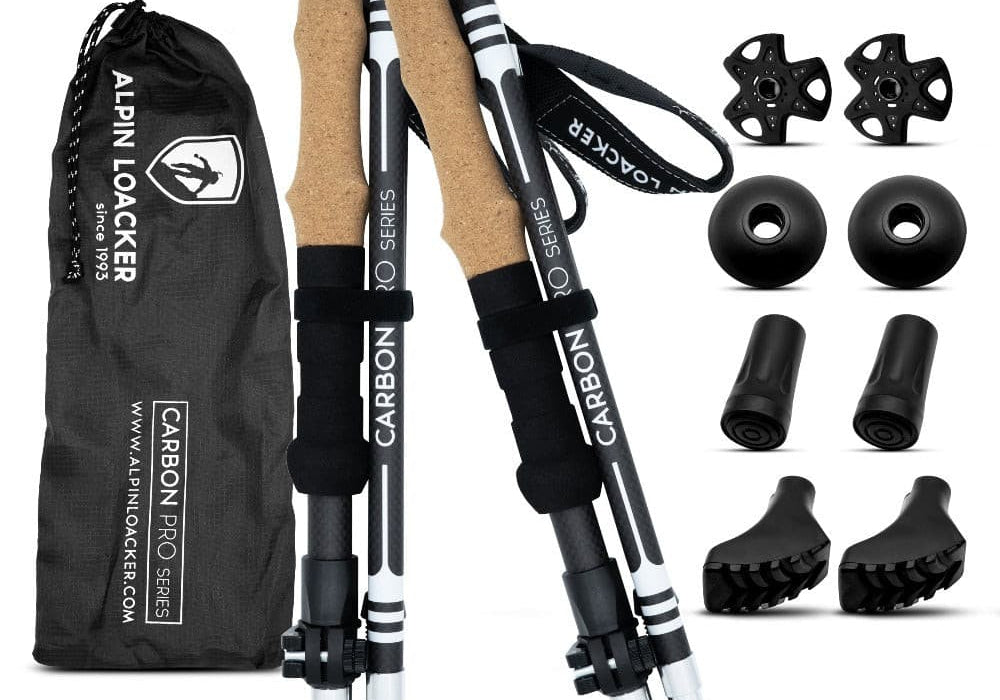
On frozen ground, you need maximum penetration. A classic carbide metal tip digs deep into snow or icy surfaces. It provides firm support on steep climbs and traverses.
In February, paths are often hard-frozen. Metal tips offer clear advantages here. They also penetrate compact snow and prevent sideways slipping.
Use larger baskets with deep snow. They prevent the pole from sinking too deeply.
Rubber buffers for asphalt and rock
As soon as you’re on paved paths or asphalt, you should use rubber buffers. They cushion the impact and protect the metal tip from wear.
Rubber tips reduce noise on hard surfaces. At the same time, they improve grip on smooth stones or urban paths. Without buffers, the metal tip can easily slip on rock.
Switching is sensible for longer stretches in the valley or on forest roads.
Combination in changeable February conditions
February often brings changing conditions. Plan your tour and pack suitable tips. Changing them takes only a few seconds and significantly increases safety.
Start on frozen ground with metal tips. Switch to rubber as soon as you reach longer asphalt sections. This flexibility is a clear advantage of modern trekking poles.
Why carbon trekking poles are ideal
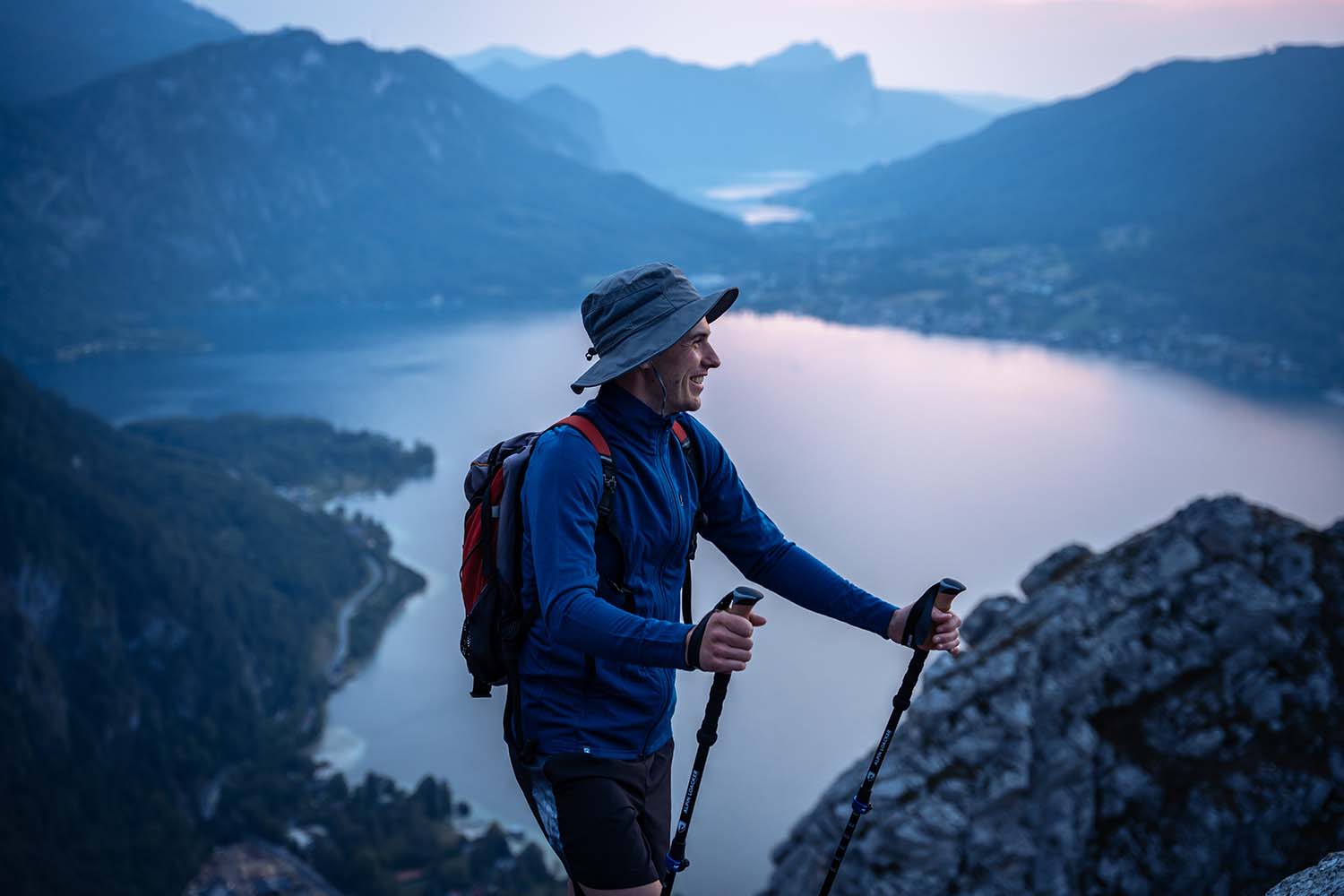
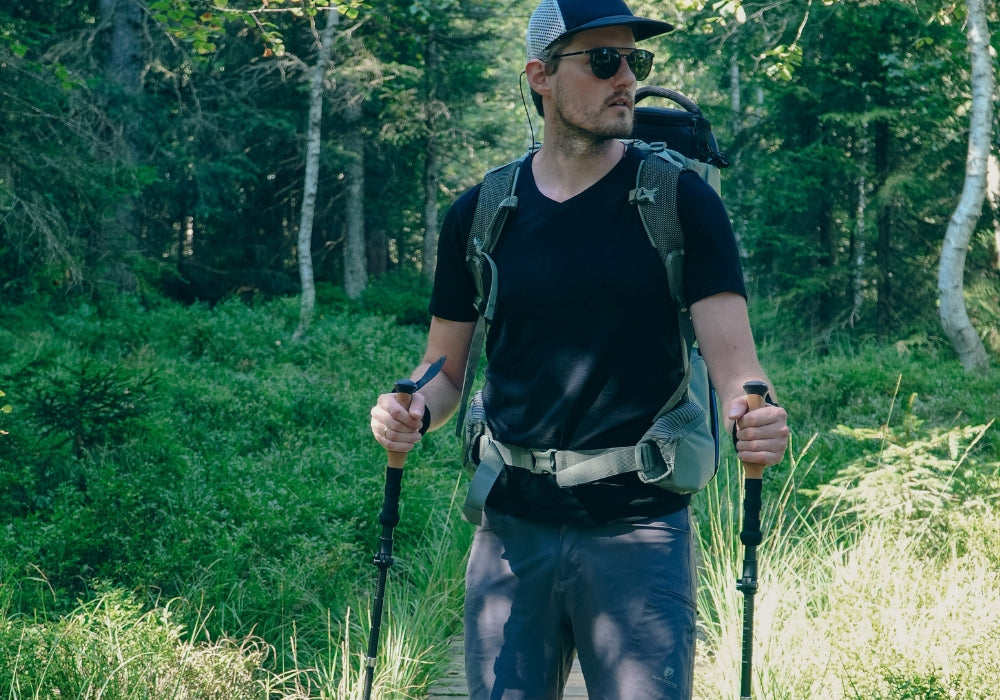
Weight plays a big role in winter. Carbon trekking poles from Alpin Loacker offer high stability at low weight. This saves energy on long tours.
Carbon absorbs vibrations better than aluminum. This relieves wrists and shoulders on hard surfaces. Especially in cold temperatures, when muscles tire faster, this makes a noticeable difference.
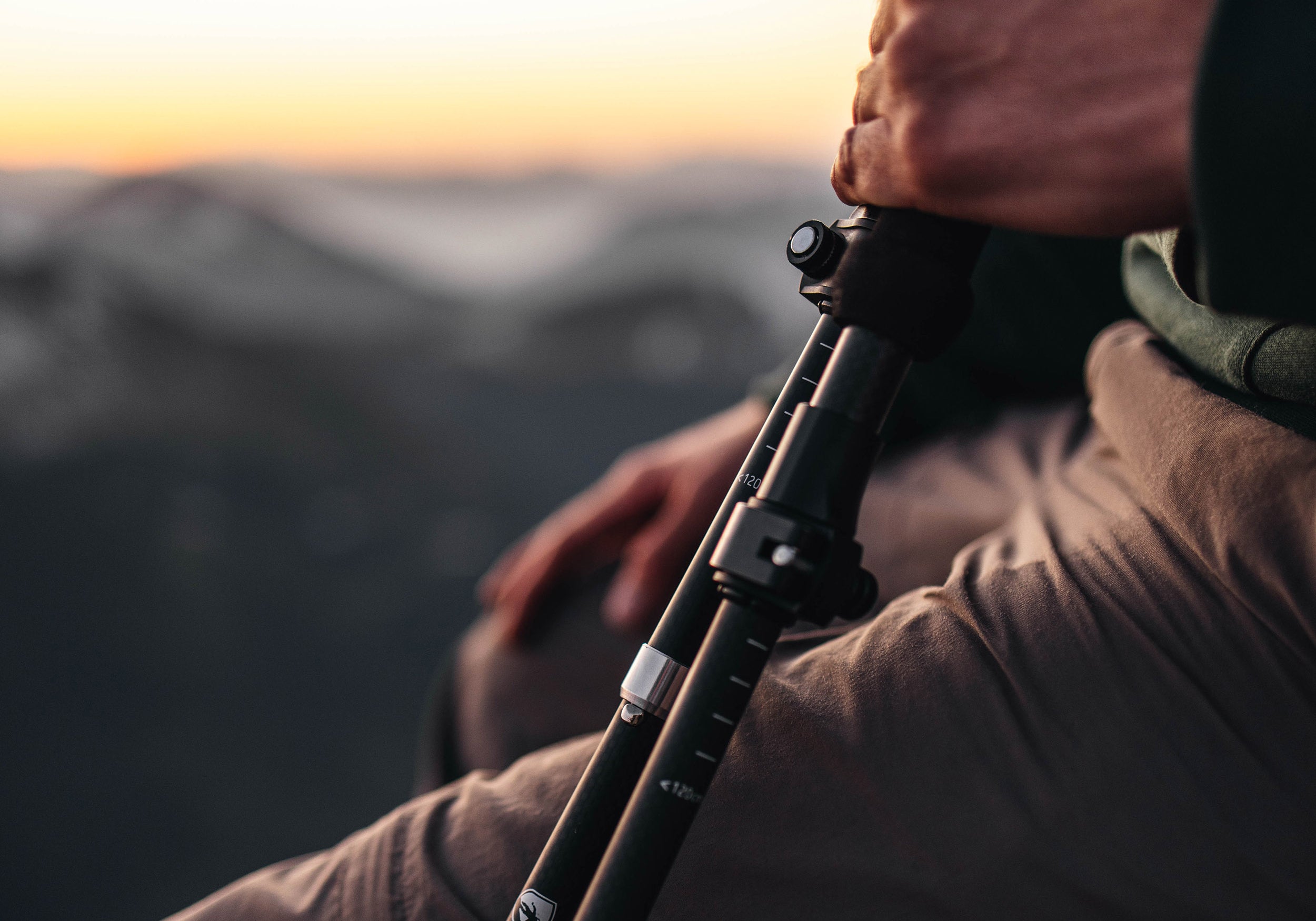
Alpin Loacker relies on sturdy locking systems and ergonomic grips. This way, the poles stay secure in your hand even with gloves on.
The right technique matters
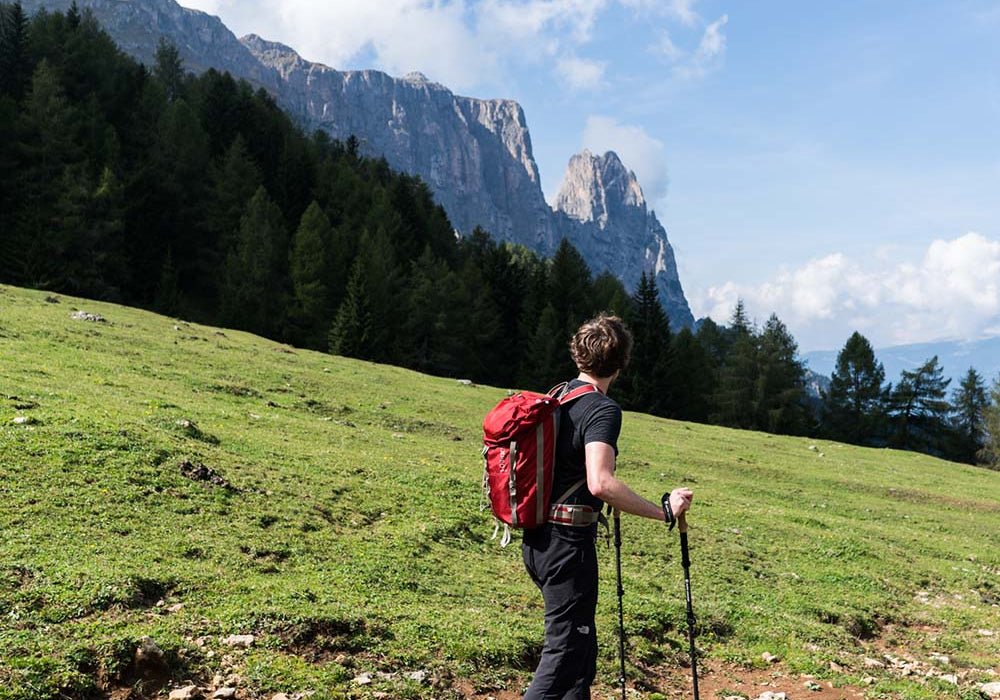
Besides the right tip, technique is crucial. Place the pole slightly angled backward. This supports your forward momentum. On steep climbs, you can shorten the length a bit. Going downhill, extend it for more stability.
Be sure to place the tip deliberately. Especially on ice, firm pressure helps the metal tip grip securely.
Care for the tips
Check the tips regularly. Worn metal tips lose grip. Rubber buffers should be replaced when smooth or cracked.
Clean the tips after every winter tour. Salt and moisture can damage the material over time.
Conclusion
Trekking poles — which tip you choose determines your safety in February. Metal for snow and ice. Rubber for asphalt and rock. Combined with lightweight carbon trekking poles from Alpin Loacker, you get stability, comfort, and control on every surface. Staying flexible means walking more safely through winter.