





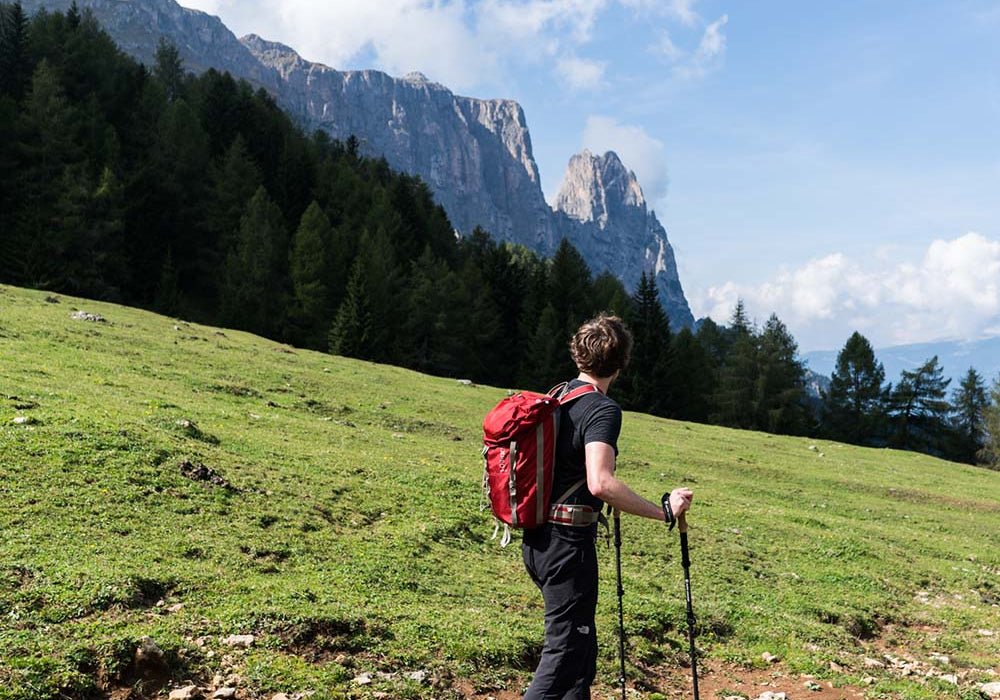


Hiking poles have long been an indispensable companion for many outdoor enthusiasts. They relieve knees and joints, improve balance, and provide more safety on challenging trails. But one crucial factor is often underestimated: trekking poles which tip is really suitable for which surface. The right pole tip makes the difference between secure grip and unnecessary slipping.
Why choosing the right tip is so important
The tip of a hiking pole is the direct contact point with the ground. Depending on the surface – whether asphalt, gravel, forest floor, or snow – grip, stability, and cushioning change significantly. Using the wrong tip not only risks less grip but also faster wear of the poles. That’s why it’s worth knowing exactly Trekking Poles which tip is optimal for which area of use.
Carbide tip – ideal for rocky and alpine trails
The classic carbide tip (usually made of tungsten carbide) is the standard equipment of many hiking poles. It is especially suitable for:
-
rocky mountain paths
-
scree and gravel
-
alpine and unpaved trails
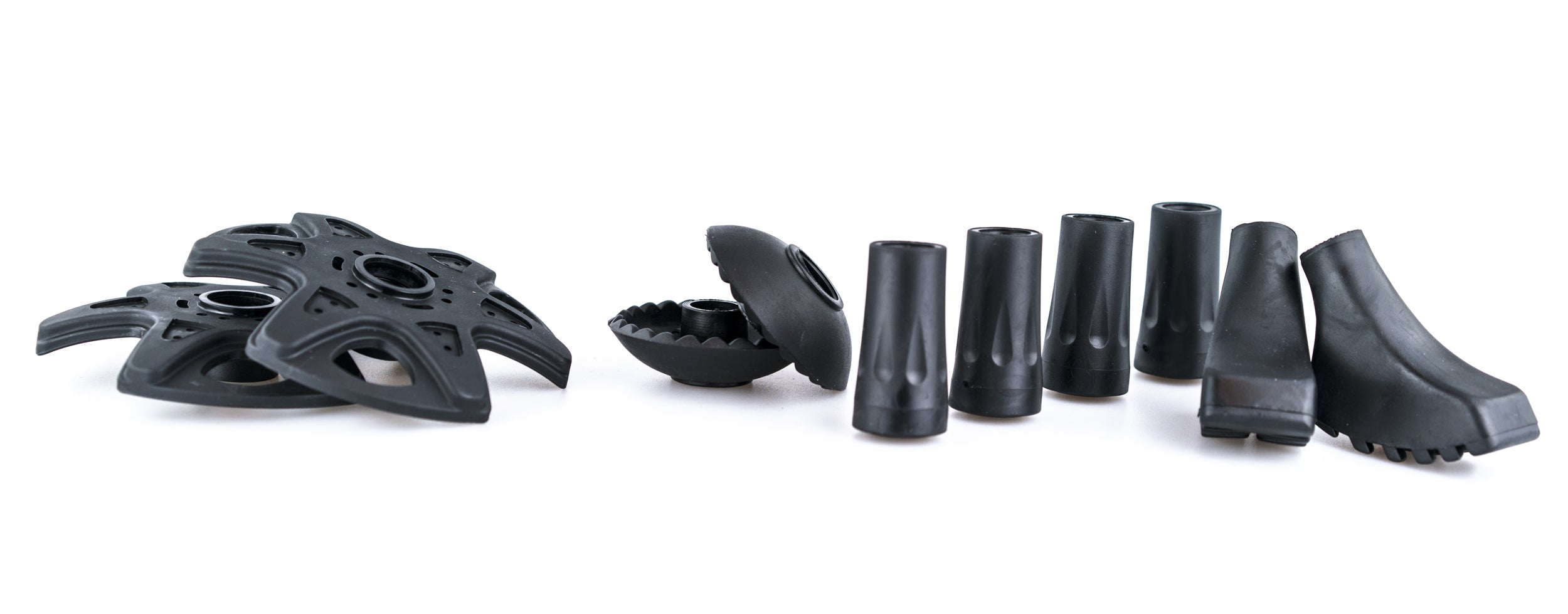
This tip offers excellent grip on hard, uneven terrain and is very durable. It easily digs into the ground, providing maximum stability when going up and down. However, on asphalt or smooth surfaces, it can be slippery and cause noise.
Rubber tips – perfect for asphalt and firm paths
For paved paths, rubber tips are the better choice. They simply slip over the carbide tip and offer:
-
better grip on asphalt
-
quieter walking
-
reduced vibrations for hands and arms
Rubber tips are ideal for city walks, forest roads, or longer distances on concrete. However, they quickly lose grip on wet rock or soft ground. Therefore, they should only be used where the surface is really firm.
Trekking baskets – more grip on soft ground
Trekking or hiking baskets are small discs above the tip. They prevent the pole from sinking too deep. They are especially useful for:
-
soft forest floor
-
Sand
-
Mud
-
Snow (with larger snow baskets)
On such surfaces, baskets significantly increase stability. Without them, the pole would sink in and not provide reliable support. For winter hikes or snowshoe tours, special snow baskets are almost indispensable.
Snow and Ice Surfaces – special solutions needed
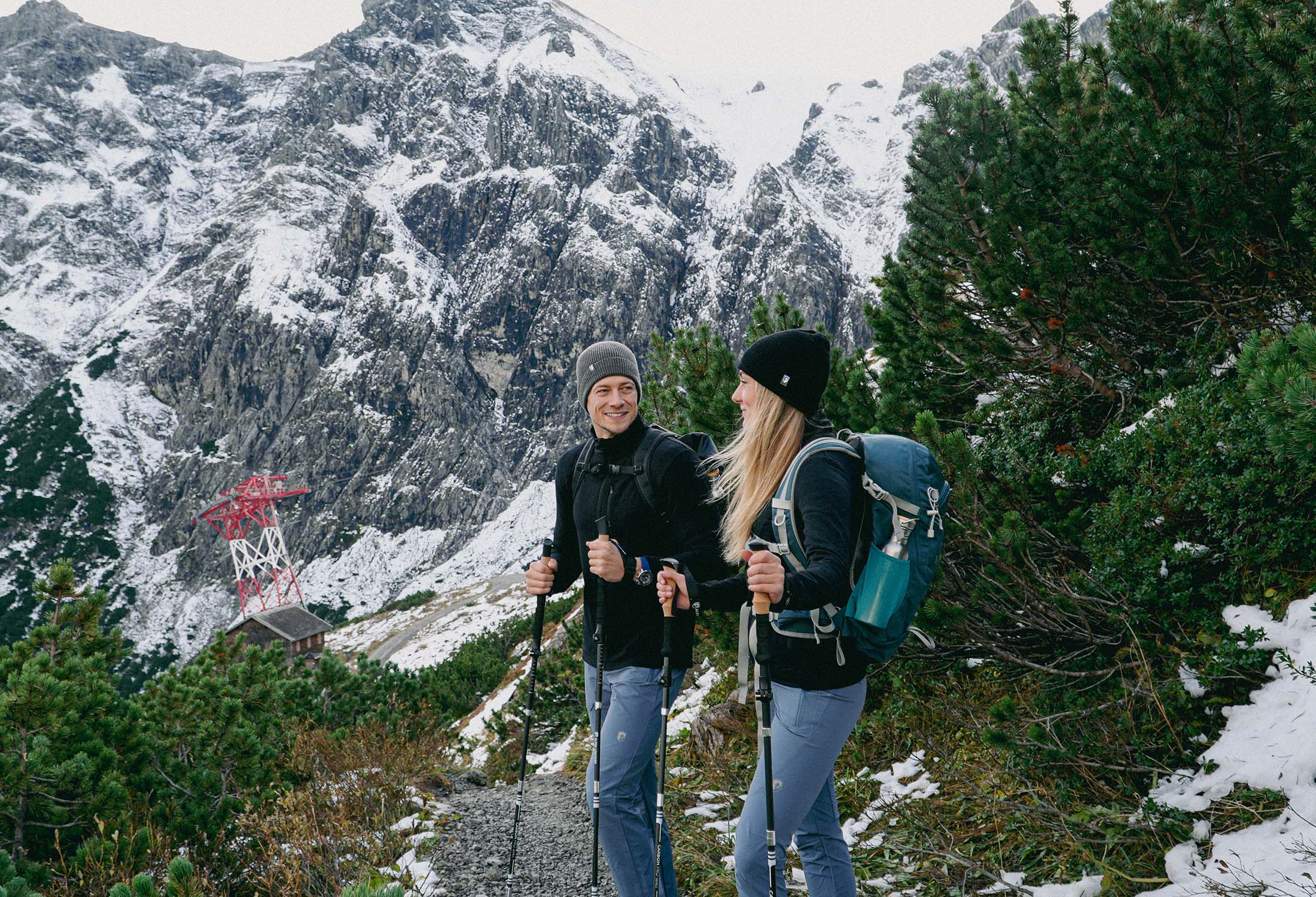
Standard tips are often not enough on snow and ice. Here, larger baskets and especially grippy tips come into play. For icy sections, crampons or spikes are also useful, as even the best pole tip offers only limited grip on bare ice. Nevertheless, trekking poles with the right tip significantly support balance.
Interchangeable Tips – flexible for every tour
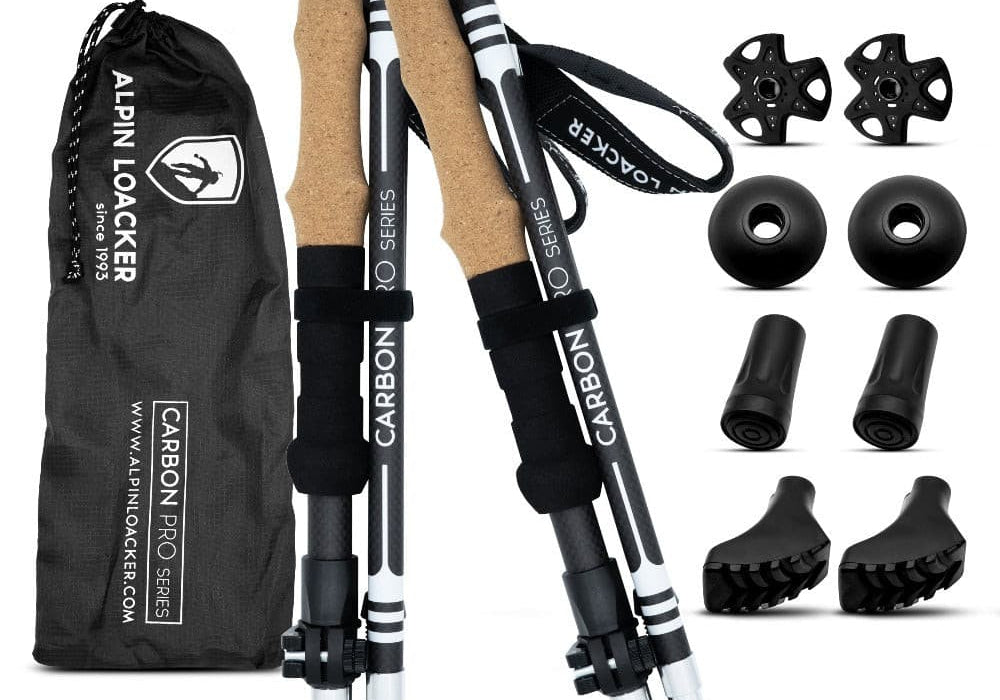
Many modern trekking poles offer interchangeable tips and accessories. This is especially practical if you often hike on different surfaces. If you start on asphalt today and hike in the mountains tomorrow, you can simply adjust the tip. This is exactly where the importance of knowledge about trekking poles which tip for which surface – because flexibility means safety.
Tips for maximum safety and durability
-
Check before every tour that the tips are firmly attached
-
Replace worn rubber pads in time
-
Use baskets appropriate for the season
-
Adjust the pole length to the terrain (shorter uphill, longer downhill)
With the right combination of tip and technique, you get the most out of your trekking poles.
Conclusion
The Question Trekking Poles which tip is suitable for which surface cannot be answered generally – it always depends on the area of use. Carbide tips are ideal for alpine trails, rubber pads for asphalt, baskets for soft ground and snow. Those who consciously adapt their equipment benefit from more grip, better stability, and a safe hiking experience. High-quality trekking poles with well-thought-out accessories, like those Alpin Loacker offers reliable support on every tour.