



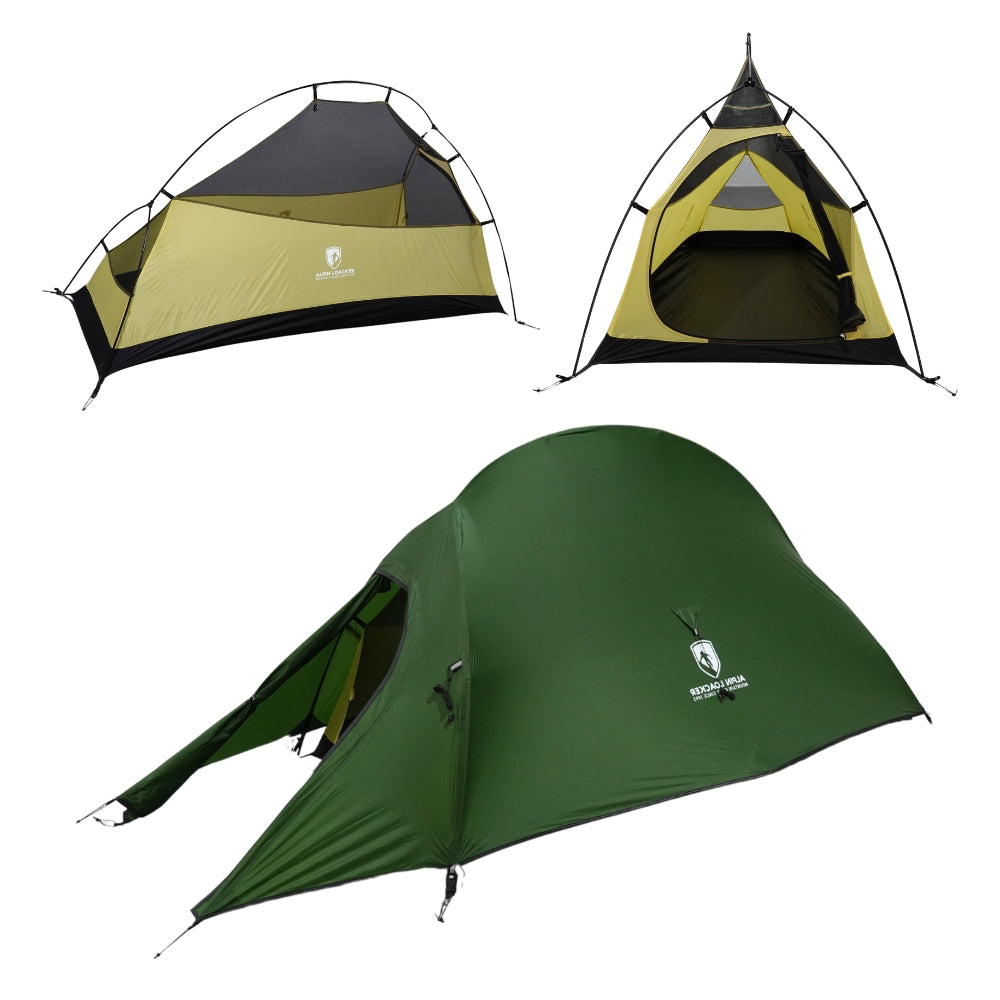


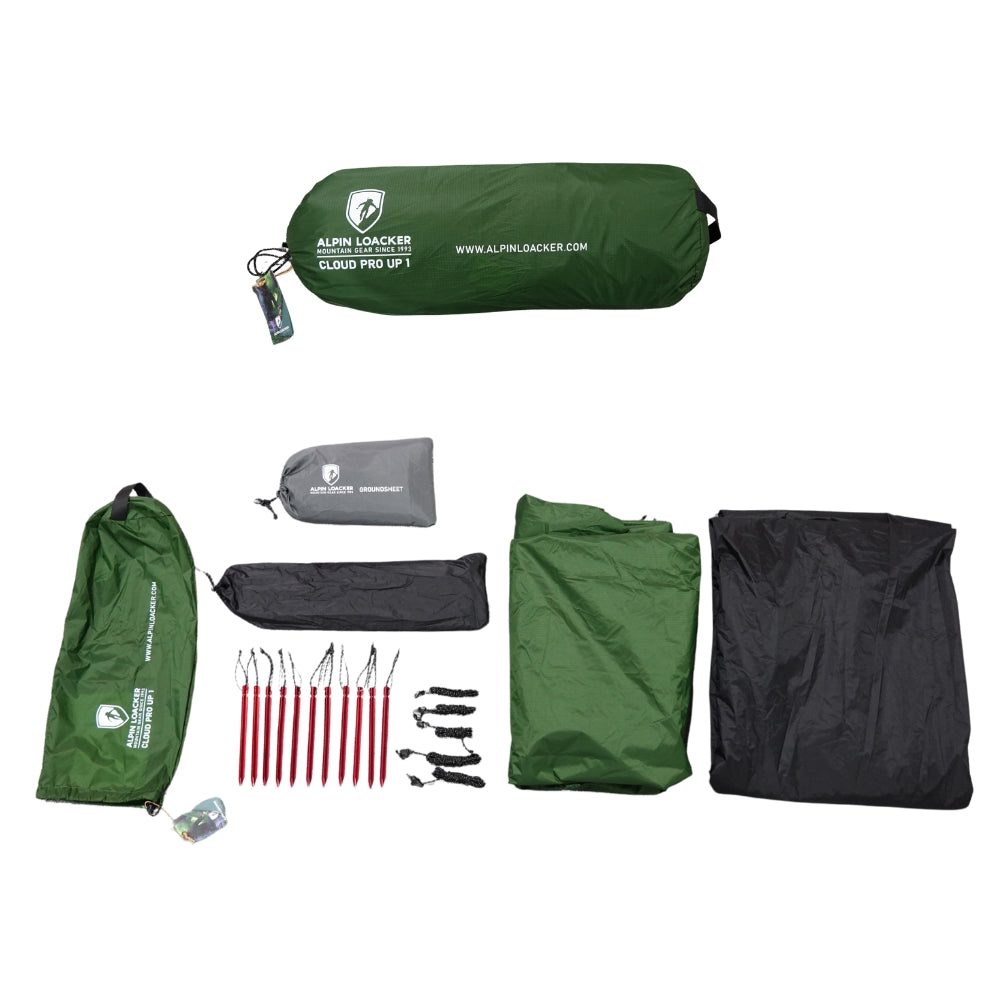
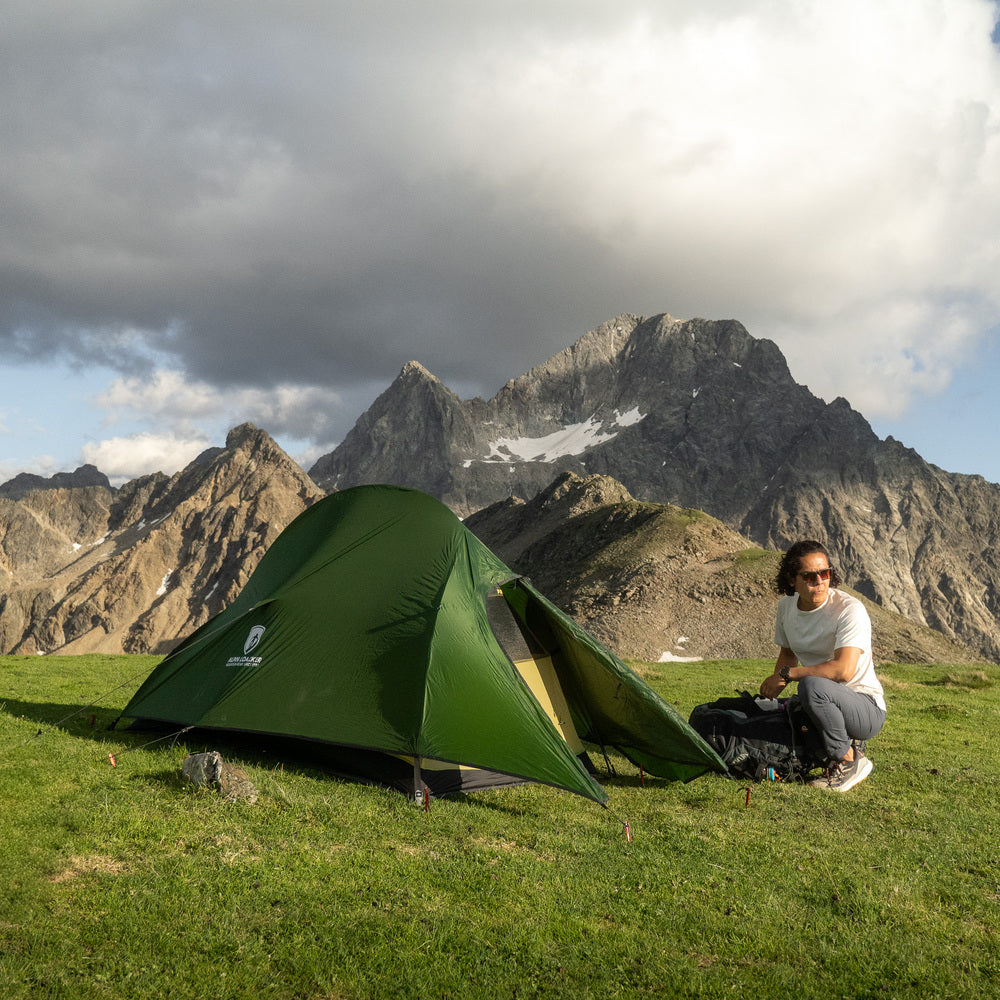
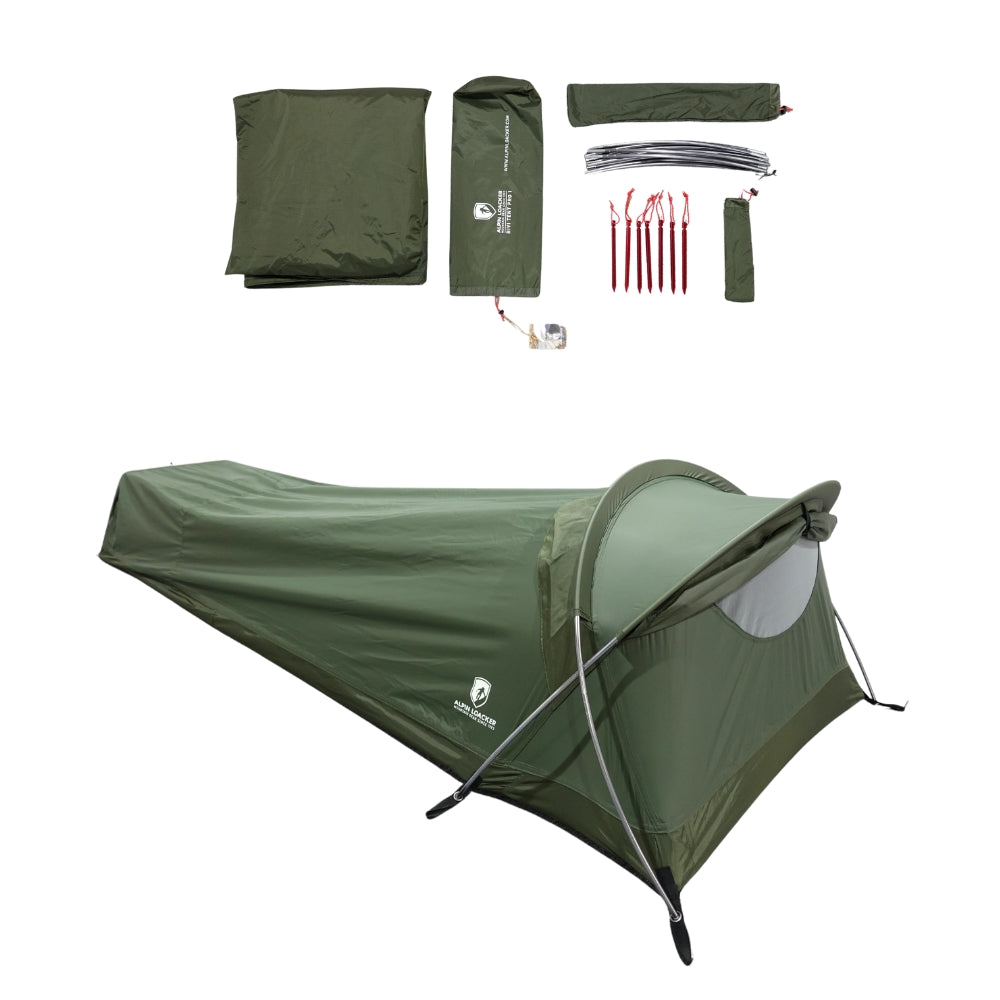

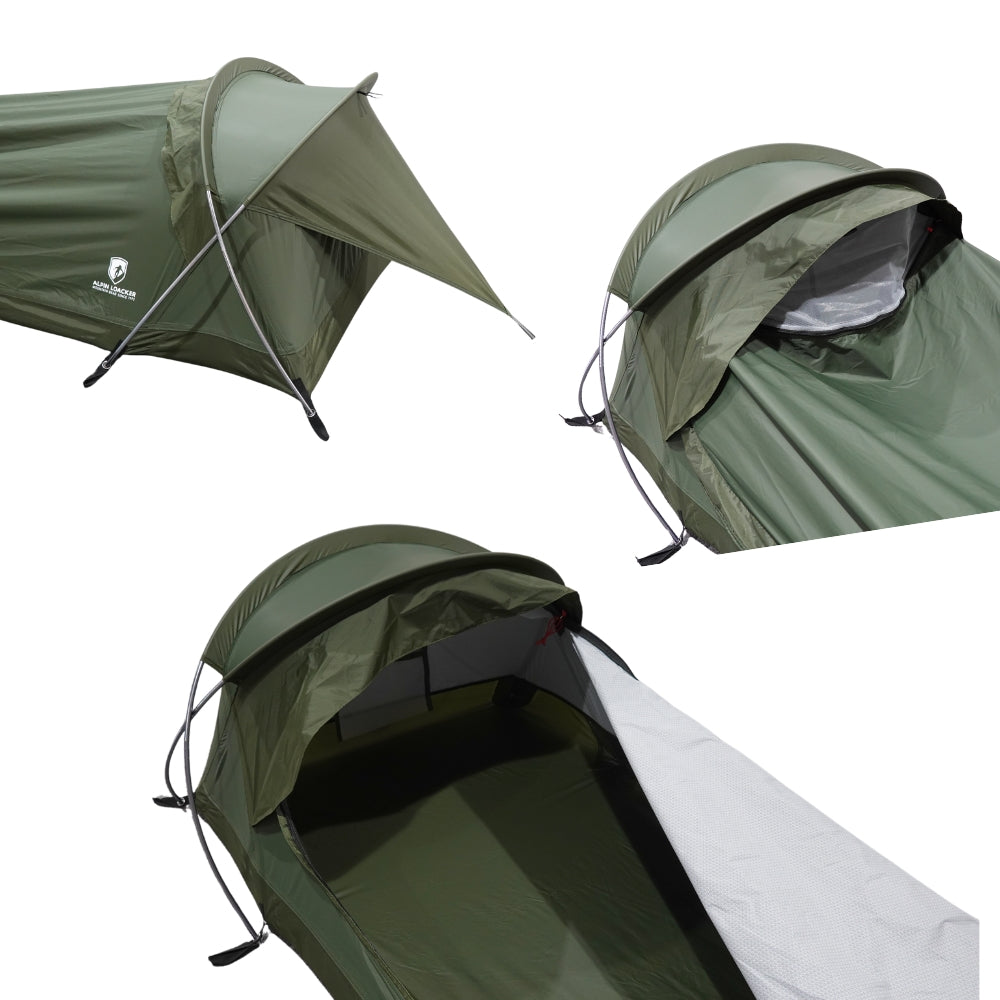
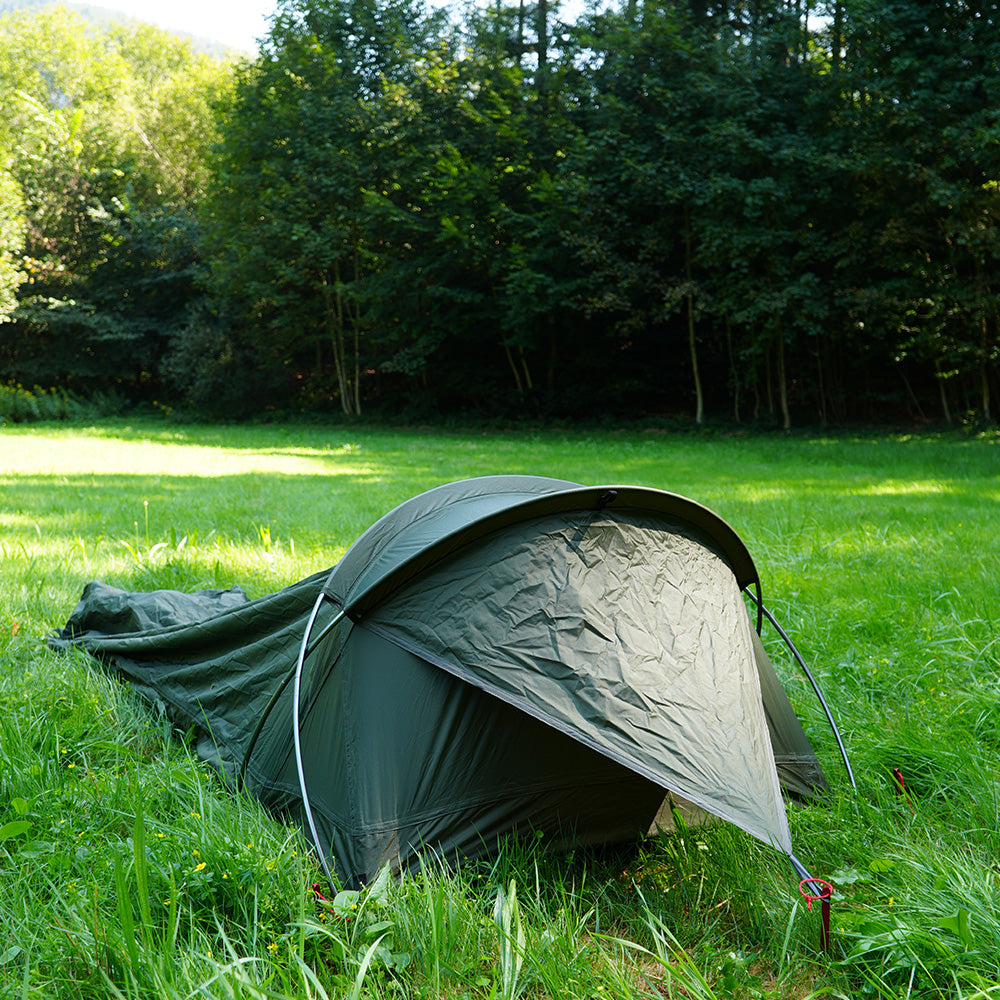


Lightweight tents and tarps by Alpin Loacker for bivouacking, trekking and bikepacking. Minimal packed size, maximum weather protection – without unnecessary weight. Our lightweight tents and tarps are reduced to the essentials: quick setup, reliable protection from rain and wind, low weight for long tours. Lightweight tent hiking – at Alpin Loacker you'll find the right model. Free shipping from €50.
Lightweight Tent: Why Weight Matters in Camping
An ultralight 2-person tent under 1 kg is the goal of many trekkers and bikepacker. Every kilogram less in your backpack means more range, less exhaustion and more joy on the trail. Lightweight tent hiking is not a luxury – it's the most consistent way to optimize outdoor adventures. Alpin Loacker offers lightweight tents made from modern materials such as silnylon and DCF (Cuben Fiber) for maximum performance with minimal weight.
- Lightweight tents: Freestanding or with poles, for solo and duo tours
- Tarps: Maximum flexibility, minimal packed size for experienced bivouackers
- Materials: Silnylon, DCF (Cuben Fiber), lightweight aluminum poles
- Water column: Minimum 1500 mm, fully taped seams for reliable protection
- Ultralight tent: Under 1 kg for solo tours with modern premium materials
Tent Hiking: Choose the Right Model for Your Tour
Lightweight tent doesn't mean compromises on weather protection. Alpin Loacker lightweight tents are designed with water column values of 1500–3000 mm for Central European conditions. Fully taped seams and robust guy-line systems withstand heavy rain and wind. Choose between freestanding models for easiest setup and non-freestanding tarps for maximum weight savings.
Tarps vs. Tents: What's Right for You?
A tarp is a stretched sheet without a floor – lighter, more flexible to set up, but less protection in heavy rain or insects. Tarps are good for experienced bivouackers in mild conditions or as a supplement to a bivvy bag. Lightweight tents offer all-round protection with floor and inner tent – the better choice for beginners and tours in regions with frequent rain.
From What Weight is it Considered a Lightweight Tent?
Under 1.5 kg is considered lightweight, under 1 kg is ultralight. For solo tours, under 900 g is a realistic goal with modern materials like DCF. For duo tours: under 1.2 kg for both people including poles and guy-lines.
How Waterproof Does a Trekking Tent Need to Be?
For Central European conditions, 1500–2000 mm water column is sufficient. For more demanding conditions in high mountains or continuous rain, we recommend at least 3000 mm. More important than the measured value: fully taped seams and a good inner tent design without open seams.
Which Ultralight Tent for 2 People?
For 2 people under 1 kg, DCF materials are needed – priced in the premium segment. For a good weight-to-price ratio, we recommend silnylon two-person tents between 1.0 and 1.3 kg. These offer reliable protection at a reasonable budget and are sufficient for most trekking tours.