




If you like hiking, going on trekking tours, or simply spending a lot of time outdoors, you know: the right socks make a big difference. Cold or wet feet can quickly turn even the most beautiful tour into a nightmare. This is exactly where buying merino socks tips for warm merino socks for hiking and outdoor activities come into play – because not every model delivers on its promises. In this article, you'll learn what you should really pay attention to when buying, how to properly care for your socks, and why merino wool is the ideal material for outdoor adventures.
Why Merino Socks Are the Best Choice for Outdoor Activities
Merino wool has been considered the "high-tech material of nature" for years. It combines properties that are particularly crucial when hiking, trekking, or camping. If you want to learn more about the fiber, you'll find a detailed overview in our article on the properties and benefits of merino wool.
- Temperature-regulating: Merino wool keeps your feet warm when it's cold and prevents overheating when you sweat.
- Moisture-wicking: Sweat is effectively absorbed and transported outward. So your feet stay dry, even during long hikes.
- Odor-neutral: Unlike synthetic materials, merino wool hardly absorbs odors – ideal for multi-day tours.
- Soft and comfortable: Compared to regular wool, merino wool doesn't scratch but feels gentle on the skin.
This combination makes merino socks an indispensable companion for hikers, campers, and outdoor sports enthusiasts. If you want to dive deeper, check out our article Merino Socks: Why Merino Wool Is the Best Choice for Your Feet.
Buying Merino Socks Tips for Warm Merino Socks for Hiking and Outdoor Activities
When looking for high-quality merino socks, don't just grab the first pair. These five points determine comfort and function:
1. Merino Wool Content
The merino content varies by manufacturer. For truly warm models, the wool content should be as high as possible – at least 50%, ideally 70% or more. The rest typically consists of polyamide or elastane to ensure shape retention and durability.
2. Thickness and Cushioning
Not all merino socks are the same thickness. For winter tours, more heavily padded models that provide additional heat insulation are suitable. Lighter socks, on the other hand, are perfect for summer or as hiking socks in warm climates.
3. Seamless Construction
Make sure the socks are constructed as seamlessly as possible. Pressure points or blisters often develop from chafing seams – a problem that should definitely be avoided on long hikes.
4. Fit and Height
Merino socks come in various lengths: from ankle-high to knee-high. For hiking boots, mid-high to high socks are ideal, as they protect the ankle and prevent slipping.
5. Area of Use
Consider what activities you need the socks for. For winter trekking, thicker, warmer models are essential, while for summer hikes you should choose thinner variants. Additionally, it's worth thinking about appropriate merino base layers – so you're optimally equipped from head to toe.
Tips for Properly Caring for Your Merino Socks
To keep your merino socks lasting long and maintain their special properties, proper care is essential. You'll find detailed instructions in our guide on washing and properly caring for merino wool.
- Wash gently: Use the wool wash cycle at 30 degrees and a mild wool detergent.
- No fabric softener: This destroys the natural fibers of the wool.
- Air dry: Lay the socks flat after washing instead of putting them in the dryer.
- Air regularly: Often it's enough to simply air out the socks after wearing instead of washing them immediately.
If an accident does happen, our article Merino Wool Shrunk – Causes, Prevention, and Proper Care can help.
Why Warm Merino Socks Are Essential for Hiking
Especially on longer tours or in the mountains, warm merino socks are a real game-changer. Cold feet drain energy, reduce endurance, and in the worst case can lead to health problems. Thanks to the insulating properties of merino wool, your feet stay pleasantly warm without overheating.
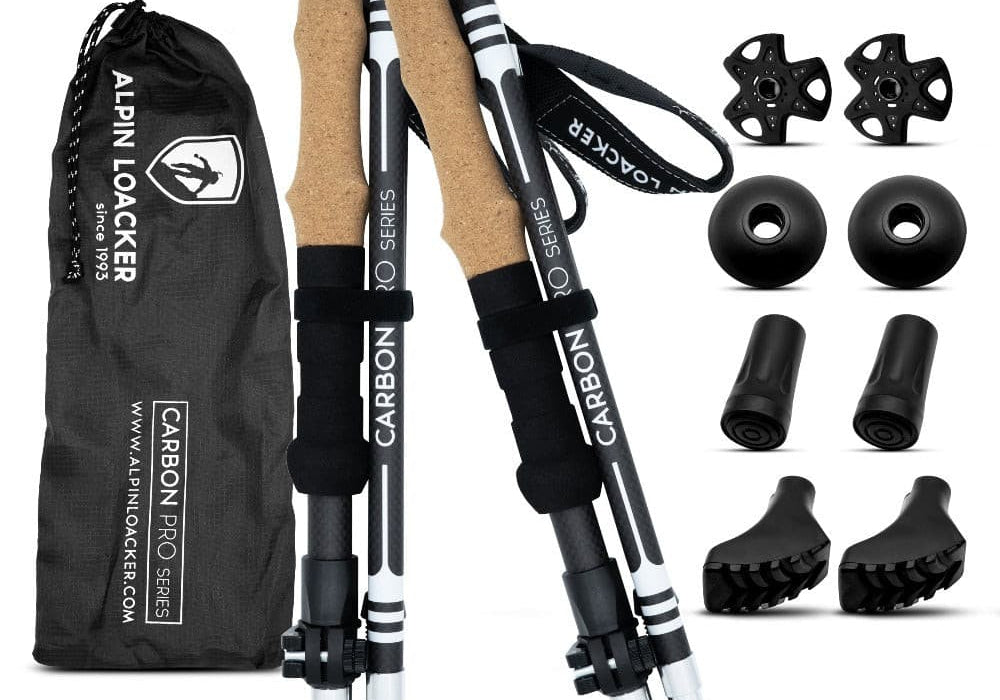
Another plus: since merino wool keeps you warm even when wet, you're safe in rain or snow. While cotton socks quickly become saturated and lose warmth, merino socks reliably maintain heat in the shoe. Combined with good equipment – such as sturdy carbon trekking poles for long tours – nothing stands in the way of your next outdoor adventure.
Frequently Asked Questions About Merino Socks
How High Should the Merino Content Be in Hiking Socks?
For warm and functional hiking socks, a merino content of at least 50% is recommended, ideally even 70% or more. Synthetic blends such as polyamide or elastane provide durability and fit.
Can You Wear Merino Socks in Summer?
Yes, because merino wool has a temperature-regulating effect. Thinner models are pleasantly cool in summer and reliably transport sweat outward, keeping your feet dry.
How Often Should I Wash My Merino Socks?
Since merino wool is naturally odor-neutral, it often suffices to simply air out your socks after wearing them. Only wash them gently in the wool wash cycle when visibly soiled – this will significantly extend their lifespan.