



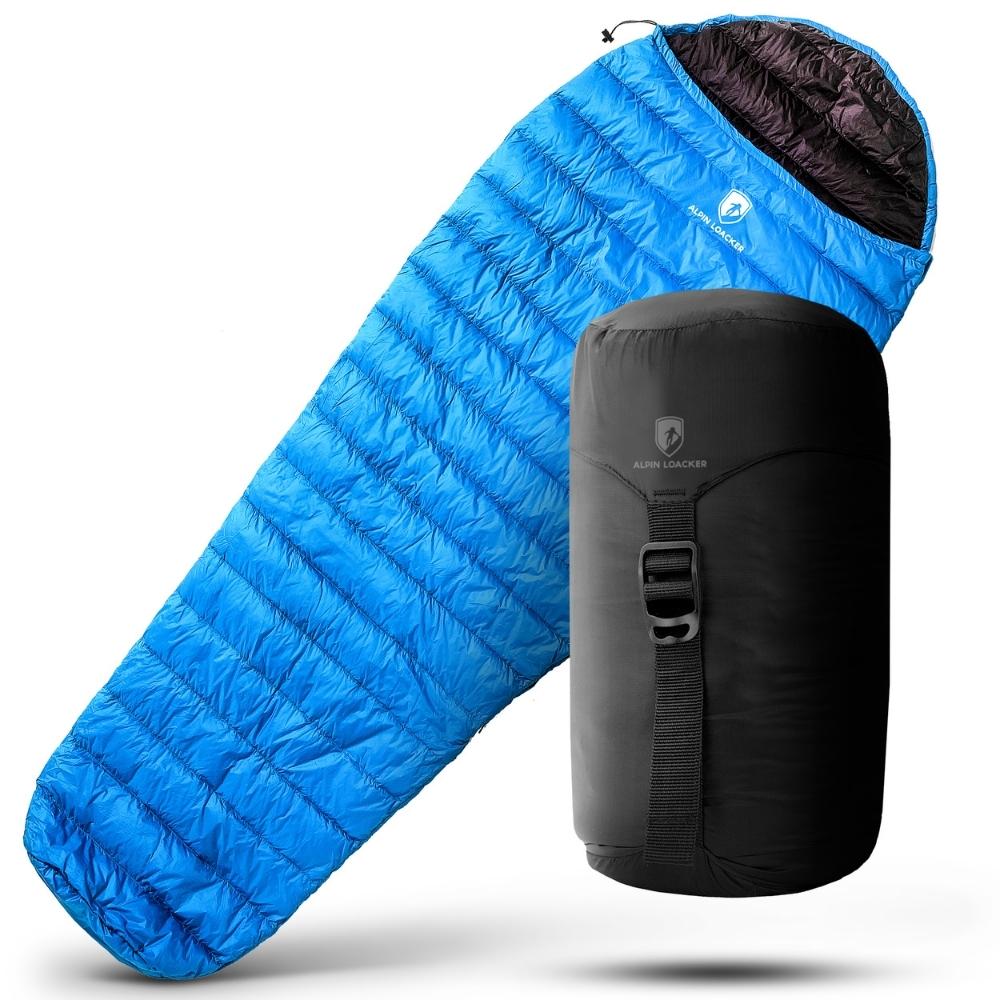


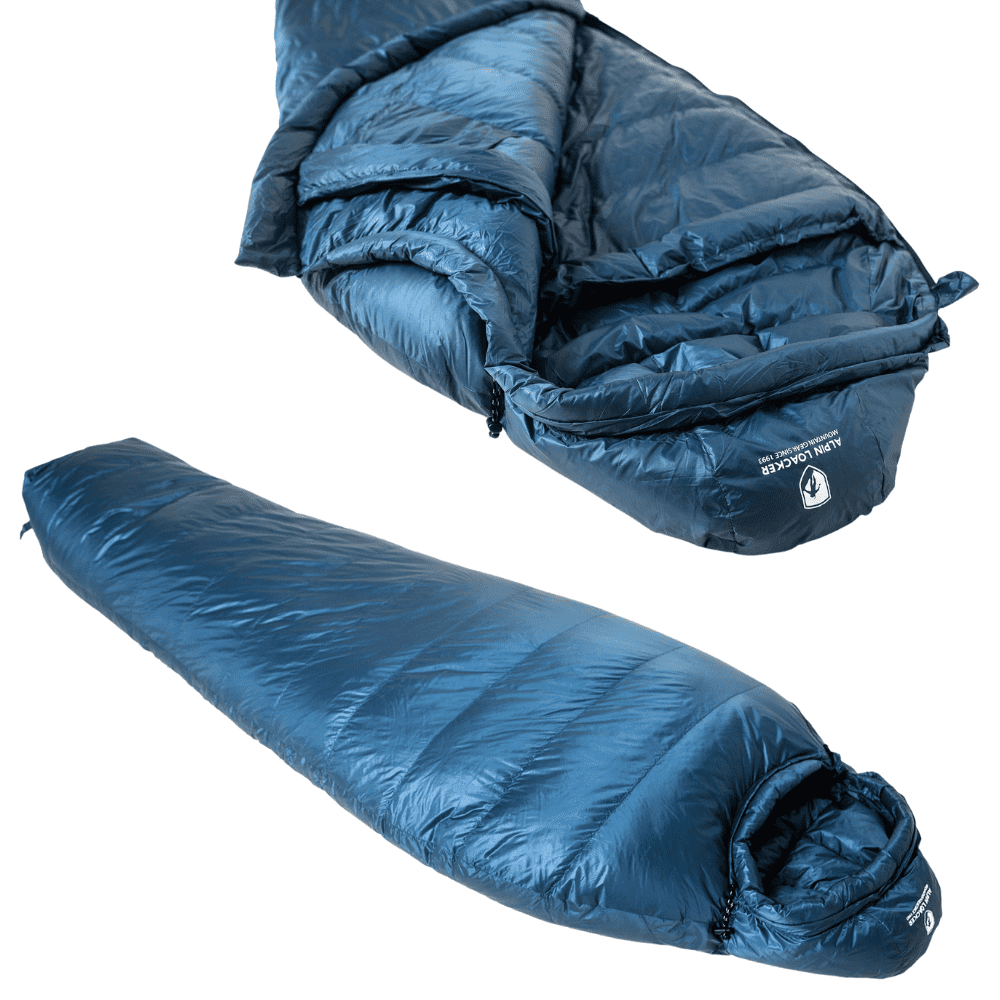





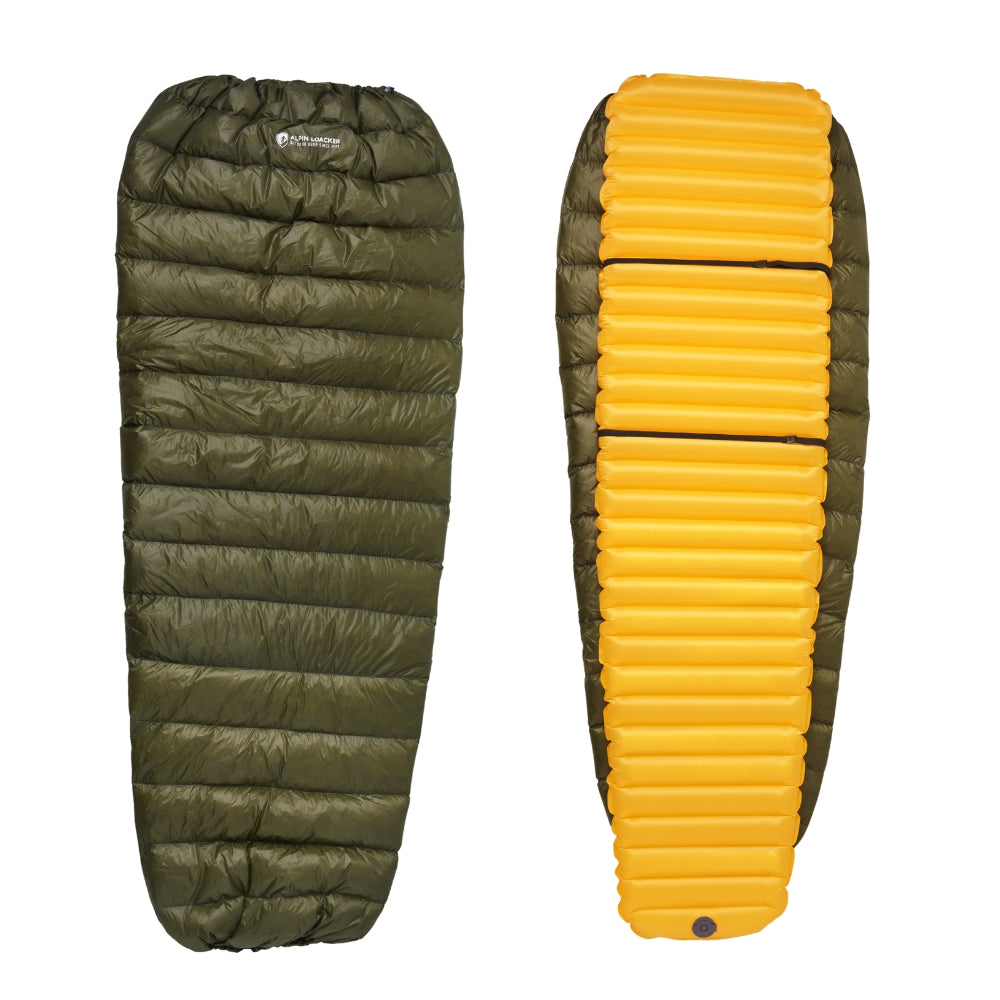
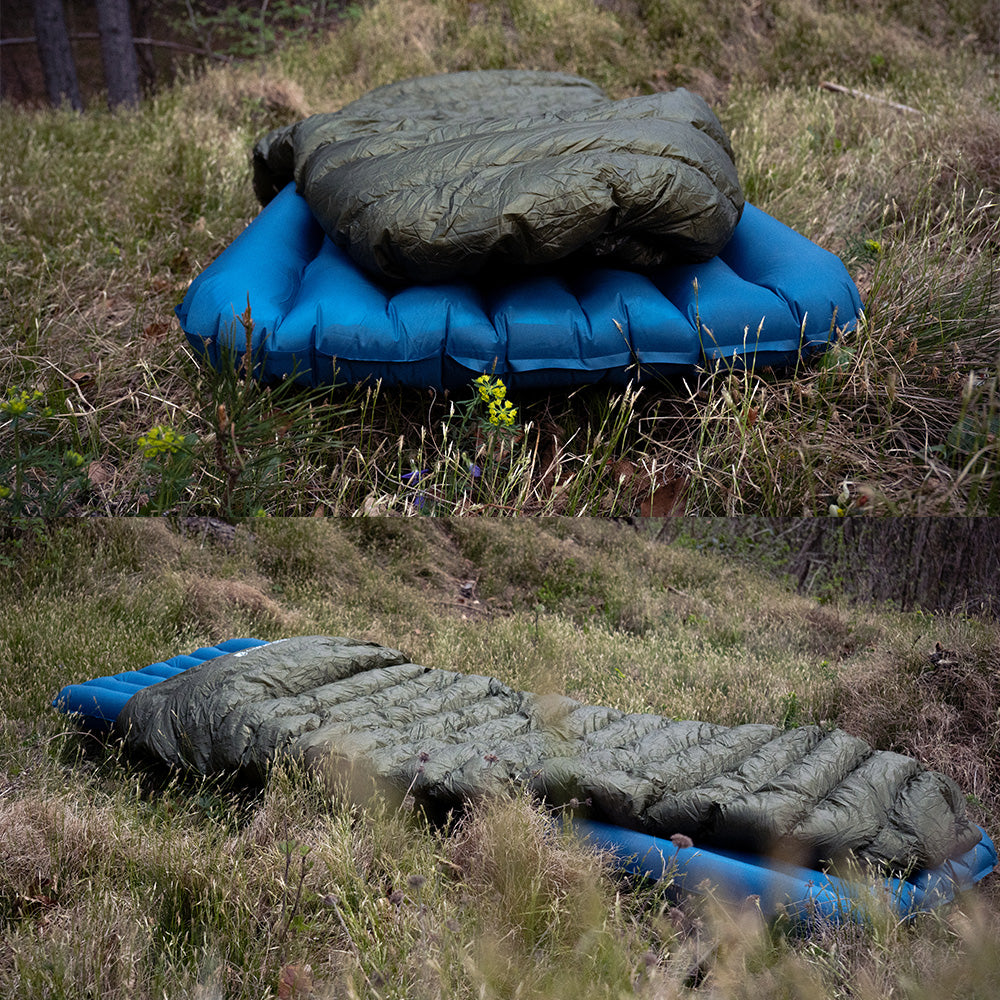
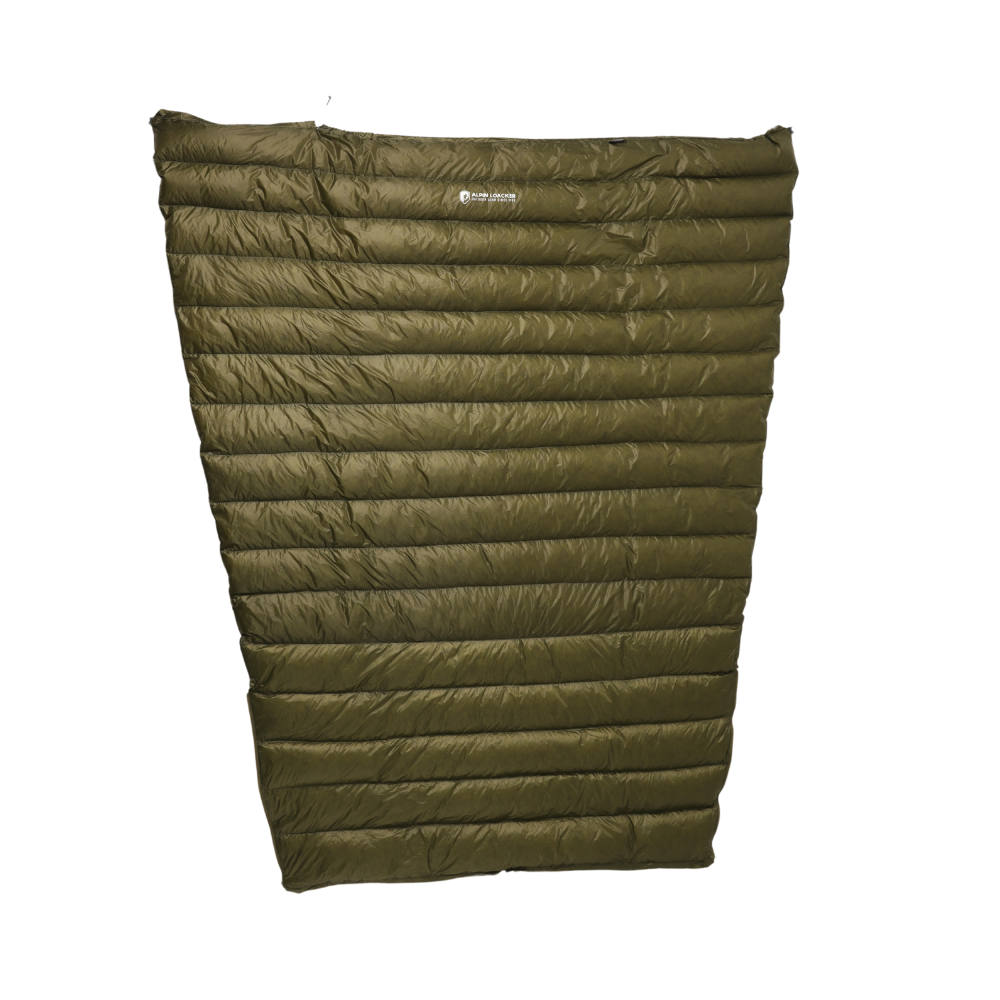
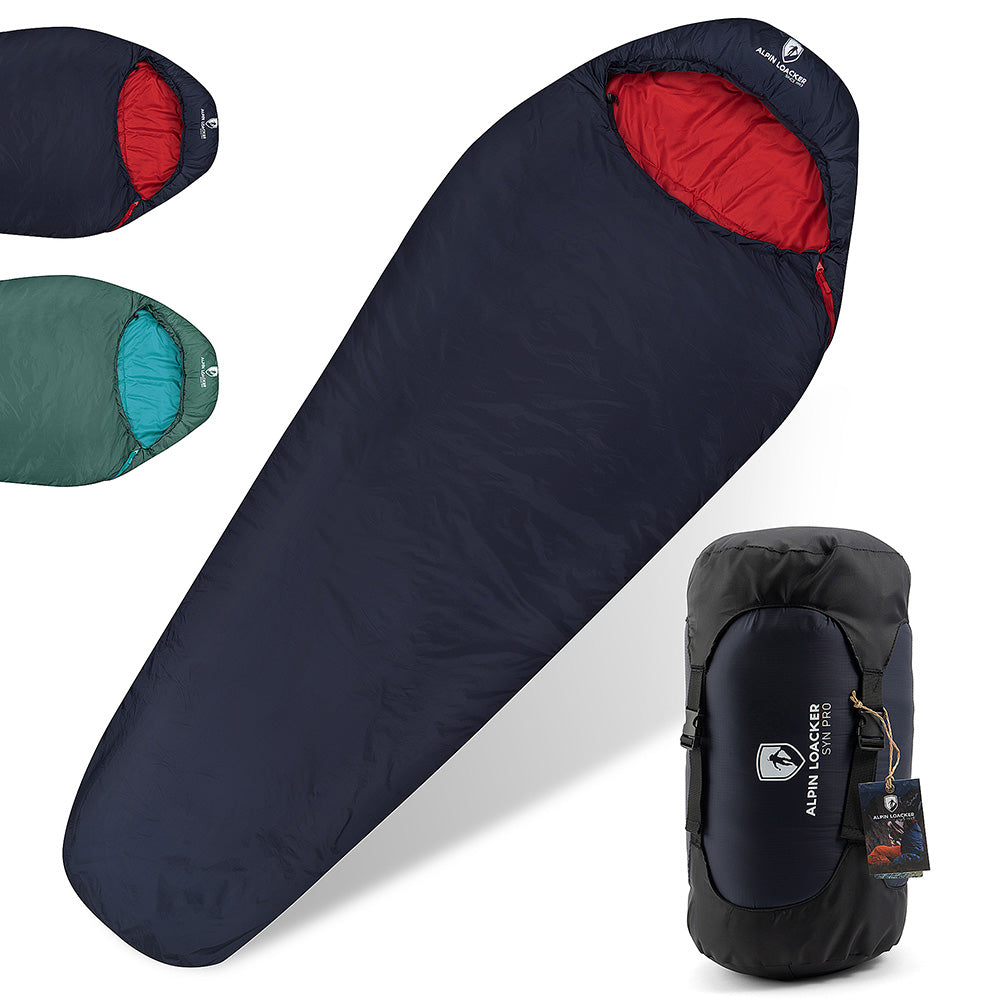


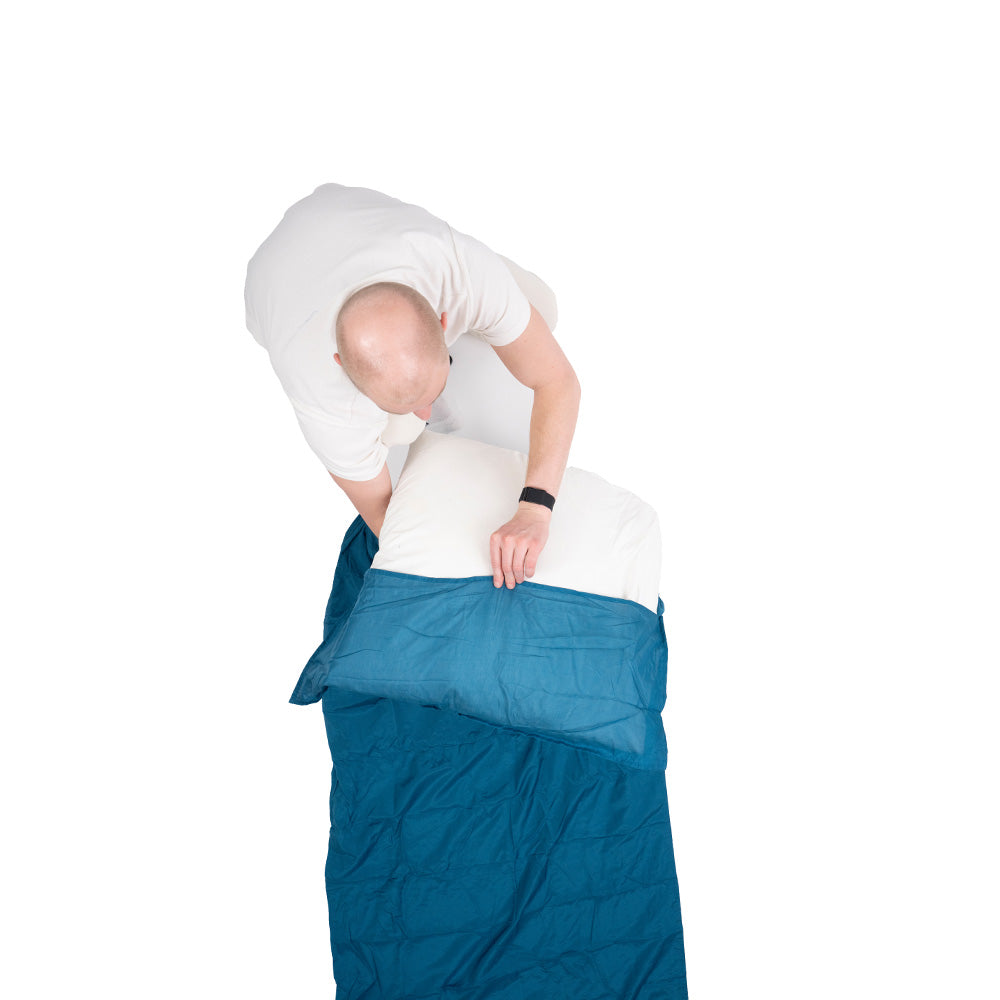



A high-quality down sleeping bag is the centerpiece of any bivy and trekking setup. Ultra-lightweight, compact to pack, and with superior warmth-to-weight ratio compared to synthetic materials: down sleeping bags from Alpin Loacker are the choice for anyone who watches every gram in their backpack on multi-day tours. From summer hut hikes to winter expeditions – our range covers all temperature ranges. Free shipping from €50.
Why is a down sleeping bag ultra-lightweight?
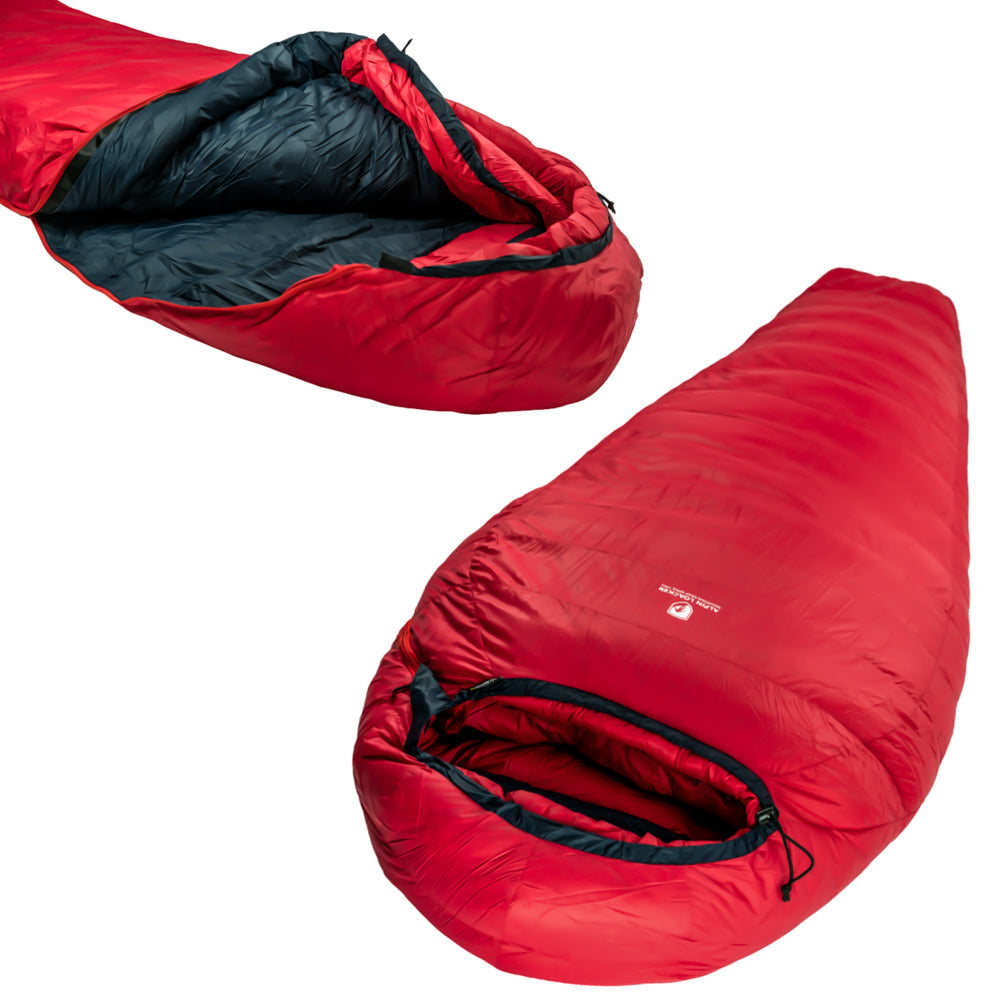
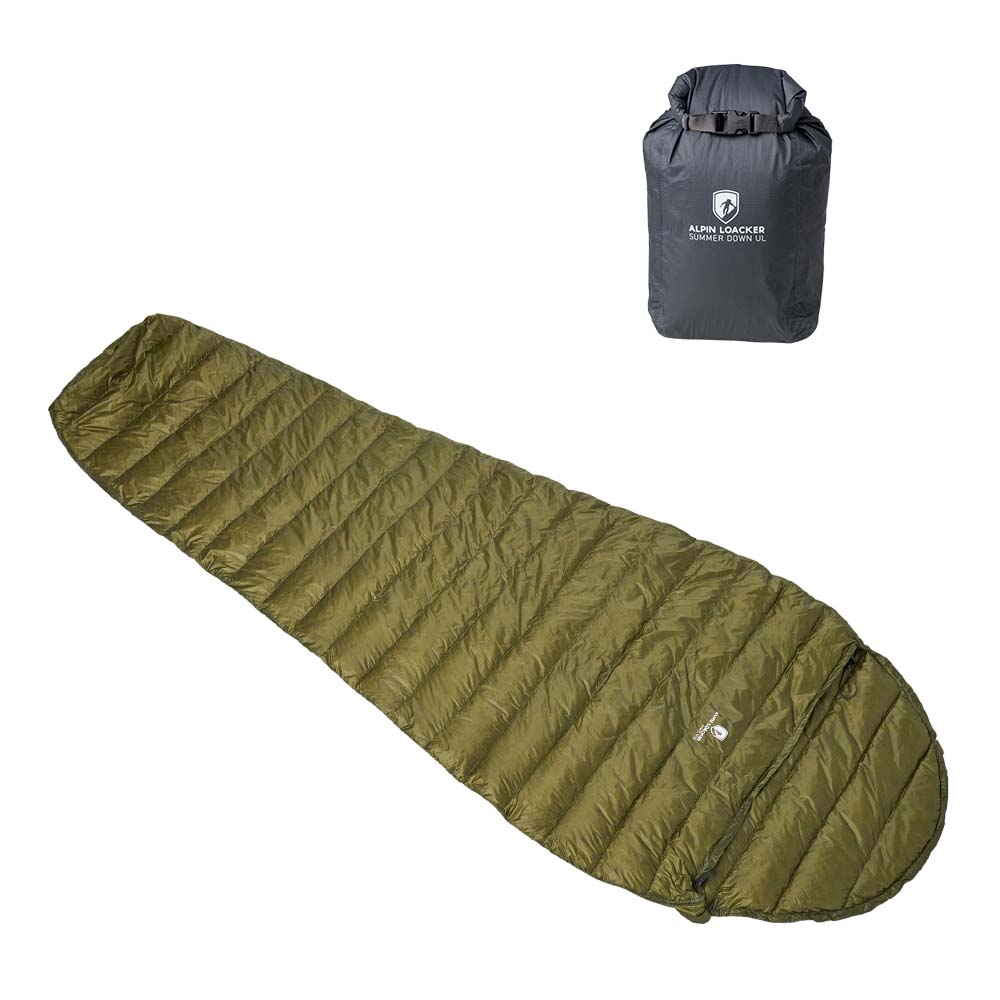
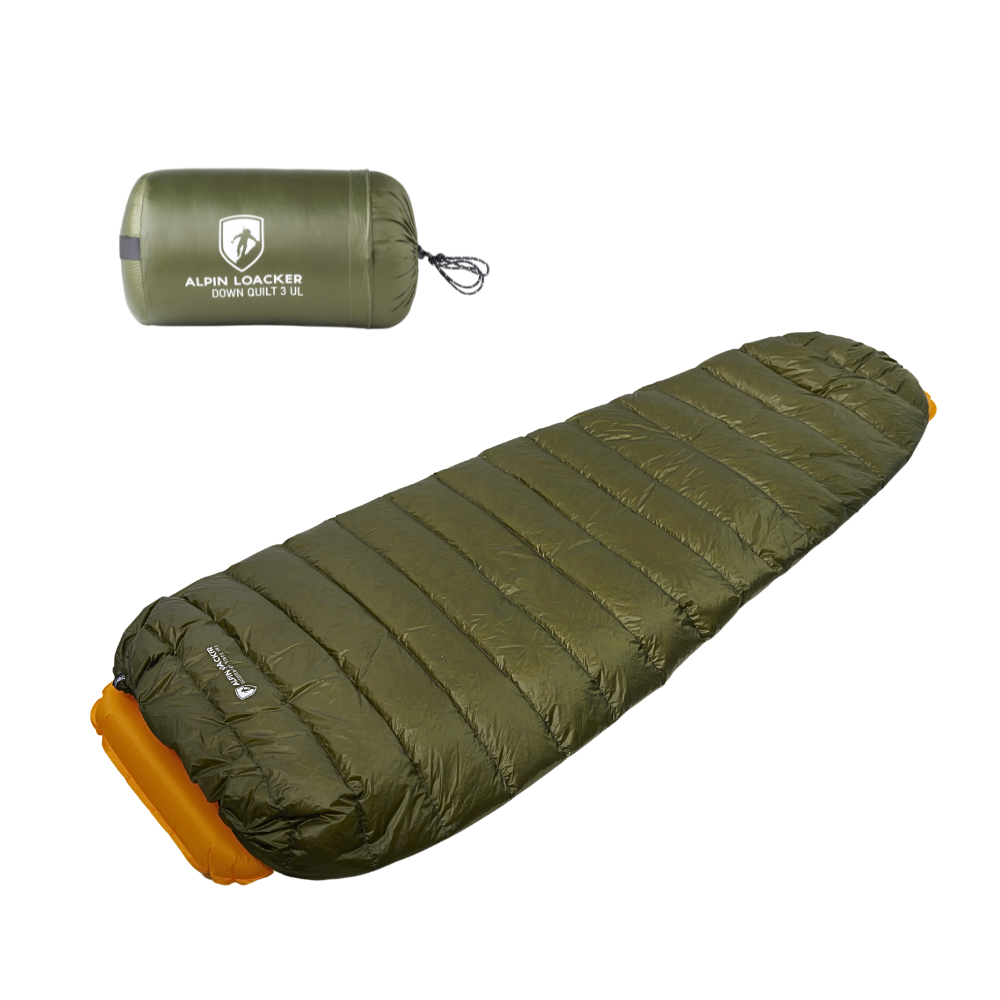
The lightweight down sleeping bag combines maximum warmth with minimal packed size. Premium goose down with 600–900 Cuin fill is the lightest and warmest insulation material for sleeping bags. Unlike heavy synthetic sleeping bags, an ultra-lightweight down sleeping bag can be compressed to water bottle size – crucial for backpacking trips where volume and weight are limited.
- Fill: 600–900 Cuin goose down – the higher, the warmer per gram
- Temperature ranges: Comfort +10 °C to extreme range -20 °C
- Packed size: Compressible to water bottle size
- EN 13537: Standardized temperature ratings for true comparability
- Hydrophobic Down: Water-repellent down available for wet conditions
Ultra-lightweight down sleeping bag – choosing the right temperature range
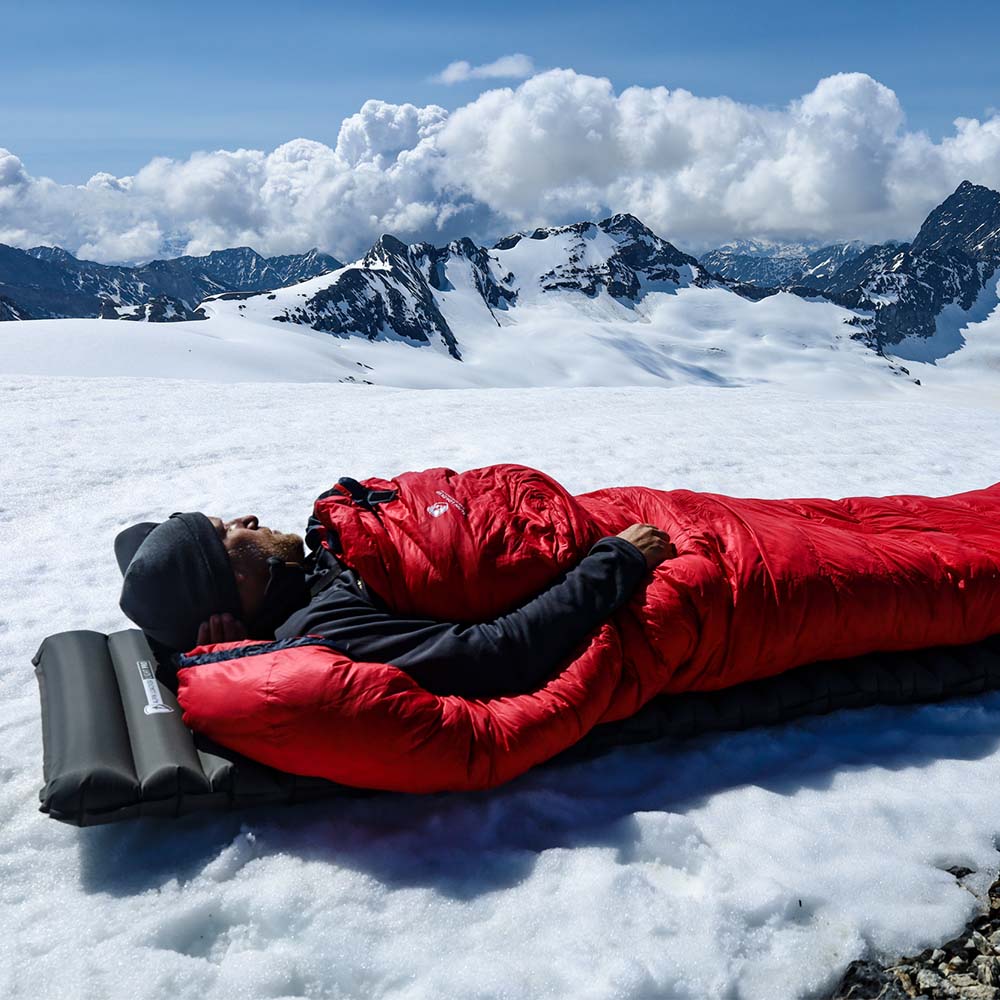
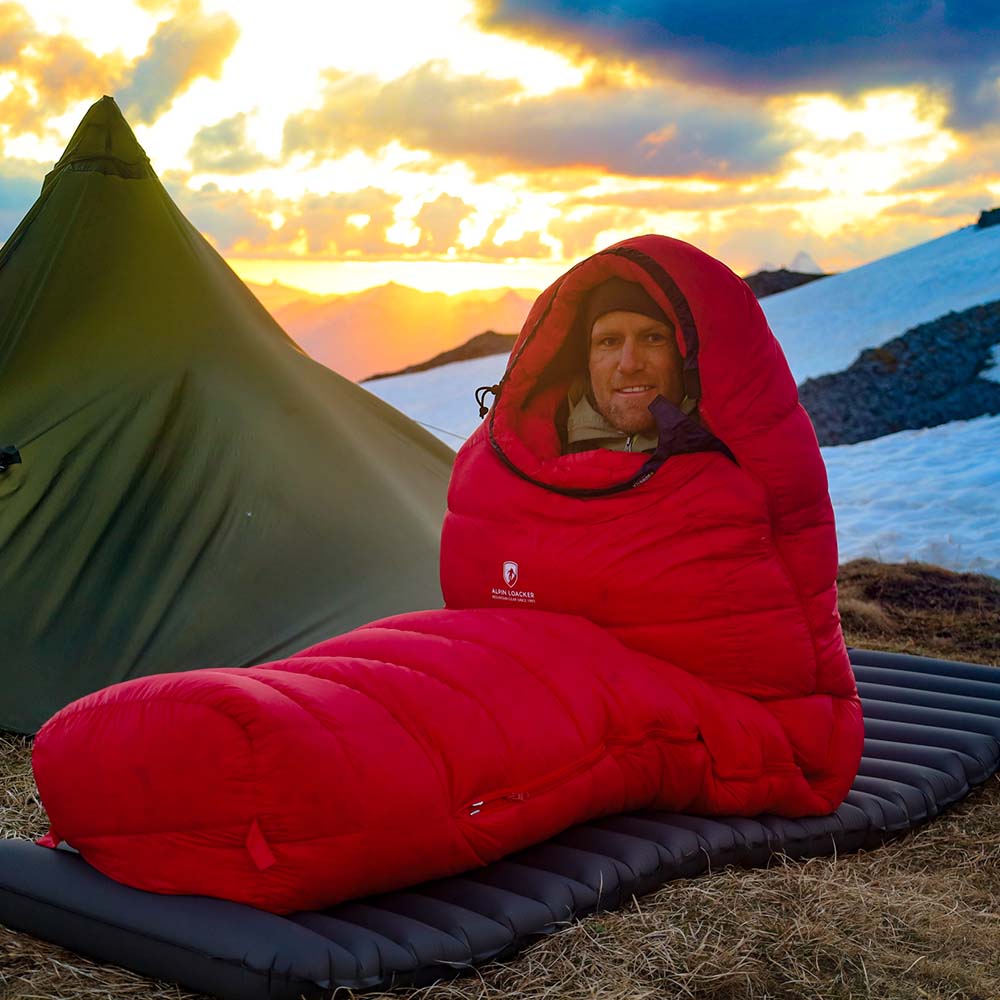
Choosing the right down sleeping bag depends crucially on the planned temperature range. For summer hut hikes, a lightweight sleeping bag with comfort temperature +5 to +10 °C is sufficient. Multi-day high mountain tours in autumn require a three-season sleeping bag down to -5 °C. For winter tours and expeditions, we recommend models with extreme range down to -20 °C and 850+ Cuin fill. Combined with the right sleeping pad, the usable temperature range is significantly extended.
Alpin Loacker sleeping bag: Quality tested in the field
Alpin Loacker down sleeping bags are developed and tested on real tours – from alpine bivy hikes to multi-day wilderness adventures. All models meet the EN 13537 standard for reliable temperature ratings. High-quality outer and inner materials, thoughtfully designed neck and foot baffles, and optimized down baffle construction prevent cold bridges.
Down or synthetic – which is better for a sleeping bag?
Down beats synthetic in almost every category: lighter, more compact, warmer per gram, and durable for decades with proper care. The only disadvantage: wet down loses warmth performance. For dry conditions, down is clearly preferable. In humid climates, hydrophobic down offers the best compromise between weight and moisture protection.
What does Cuin mean for a down sleeping bag?
Cuin (cubic inches) measures the loft of down – the higher, the warmer per gram of fill. 600 Cuin is considered good quality, 800+ Cuin is premium. At equal temperature performance, an 800 Cuin sleeping bag is significantly lighter and smaller than a 600 Cuin model – crucial for ultralight trekking.
How do I care for my down sleeping bag?
Store loosely (not permanently compressed), preferably in a cotton sack. Wash at 30 °C with special down detergent, then dry in the tumble dryer with tennis balls on low heat – this prevents down clumping and restores loft.