




Hiking is far more than just a hobby for many women – it's a passion that makes nature come alive and brings new energy. To make every tour enjoyable, the right women's hiking backpack is essential: it should be ergonomic, lightweight, and functional to optimally combine comfort and practicality. In this article, you'll learn what really matters in a high-quality women's hiking backpack and which features make the difference.
Why a specialized women's hiking backpack matters
Many think that a unisex backpack serves the same purpose – but that's a misconception. A specially designed women's backpack is adapted to female anatomy: it offers a narrower cut, softer shoulder straps, and a shorter back length. These small but crucial differences provide optimal carrying comfort, even on long tours.
Women typically have a shorter back and narrower shoulders than men. A well-fitted backpack therefore prevents pressure points, back pain, and chafing. Additionally, the hip belts are designed to perfectly match the female hip shape and distribute weight evenly. Those who also invest in functional merino underwear for women benefit from an overall comfortable wearing experience without chafing.
Ergonomics – the key to comfort and spinal health
A women's hiking backpack impresses with its ergonomic design that adapts to natural body structure. High-quality models combine several well-thought-out details:
- Adjustable shoulder straps: They're easy to customize and distribute pressure evenly.
- Padded hip belts: They carry most of the weight and noticeably relieve your shoulders.
- Breathable back padding: Ensures air circulation and prevents heat buildup.
- Chest strap with quick-release: Stabilizes the load during dynamic movements.
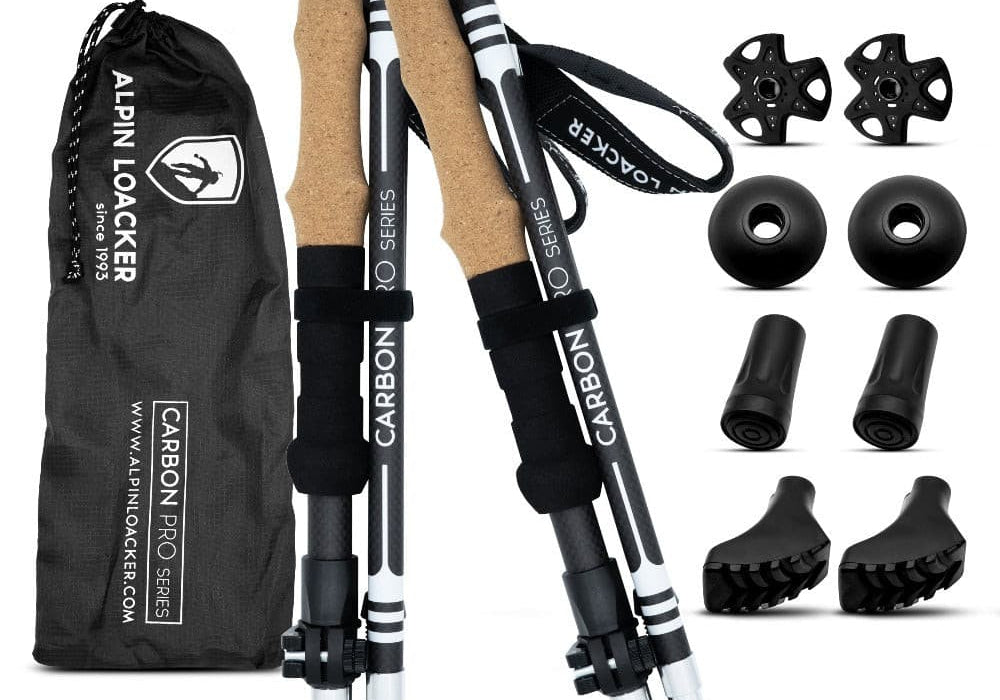
An ergonomic backpack is not only spine-friendly but also increases endurance on long hikes. Additionally, properly used hiking poles can further relieve your knees and spine – an unbeatable combination for long tours.
Lightweight – the invisible advantage on long distances
For women's hiking backpacks, the pack's own weight plays a crucial role. A lightweight backpack not only makes hiking easier but also protects joints and muscles. Modern materials like ripstop nylon or recycled polyester offer high durability with minimal weight.
A good women's hiking backpack should strike the perfect balance between lightness and stability. Packs that are too light lose structural stability, while heavier variants place unnecessary burden. Ideally, backpacks should weigh under 1.2 kg – leaving more energy for hiking itself. For multi-day tours, it's worth considering an ultralight 40-liter backpack that remains comfortably light even with more gear.
Functionality – thoughtful design for every tour
A functional women's hiking backpack provides sufficient storage space and smart compartment organization. Whether day hikes or multi-day tours – clever organization greatly simplifies mountain life. Typical features include:
- Multiple main and side pockets: For clothing, snacks, camera, or hiking maps.
- Side mesh pockets: Perfect for water bottles or rain protection.
- Pole attachments: Practical when trekking poles take a break – collapsible trekking poles are especially compact to store.
- Hydration system compatibility: For reliable hydration on the go.
- Rain cover: Essential in changeable mountain weather.
The right size depends on the intended use: day hikes need 20–30 liters, while longer tours require 35–45 liters or more. Those hiking in winter should also plan for space for an ultralight sleeping pad and warm sleeping gear.
Design & Style – function meets aesthetics
Of course, the backpack should be both practical and visually appealing. Many modern models combine functionality with stylish design: soft colors, slim silhouettes, and subtle accents make the backpack a real eye-catcher on the trail. At Alpin Loacker, the focus is on outdoor gear that unites performance, durability, and clean alpine design – so you feel great on every tour.
Frequently asked questions about women's hiking backpacks
What backpack size is suitable for women's hiking?
For single-day hikes, 20–30 liters are ideal, as food, a rain jacket, and smaller gear fit comfortably. For hut-to-hut tours, 30–40 liters are recommended, while multi-day treks with sleeping bags and pads should be calculated from 45 liters upwards.
How does a women's hiking backpack differ from a men's model?
Women's backpacks have a shorter back length, narrower and more contoured shoulder straps, and specially shaped hip belts. These adjustments ensure that weight is optimally transferred to female anatomy and pressure points are avoided.
What should I consider when packing my hiking backpack?
Heavy items belong close to your back and at mid-height – this keeps the center of gravity stable. Lighter items like sleeping bags or down jackets go at the bottom, while frequently needed items like maps, snacks, and rain covers belong in upper or side pockets. This keeps your backpack comfortable to carry even on long stretches.