



Less weight, more freedom – anyone who wants to discover a lightweight backpack is usually looking for minimalist solutions with maximum carrying comfort for outdoor adventures. Whether day hikes, multi-day tours, or consciously reduced travel: A well-thought-out, lightweight backpack can make the decisive difference between a strenuous and a relaxed experience. While robust but heavy models once dominated the market, modern outdoor enthusiasts today rely on cleverly designed backpacks that balance comfort, functionality, and low weight.
Why a lightweight backpack is so important for your outdoor experience
When hiking, trekking, or traveling, every gram counts. A heavy backpack strains your back, shoulders, and joints – especially over long distances or with significant elevation gain. A lightweight backpack noticeably reduces this strain and allows for more natural, relaxed walking. The result: more endurance, less fatigue, and a generally more pleasant outdoor experience.
But lightweight doesn't automatically mean unstable or uncomfortable. Modern materials and ergonomic designs ensure that even minimalist models sit stably and distribute weight optimally. Those embarking on multi-day tours should also pay attention to well-thought-out equipment – an ultralight backpack with 40-liter capacity, for example, offers enough storage space without unnecessary weight.
Minimalism meets functionality
Minimalist backpacks deliberately omit unnecessary extras. Instead of countless pockets, zippers, and heavy padding, the focus is on what's essential. However, this doesn't mean less utility – quite the opposite:
- Clever space organization ensures equipment is quickly accessible
- Sleek designs prevent unnecessary volume
- Lightweight yet durable materials provide protection in any weather
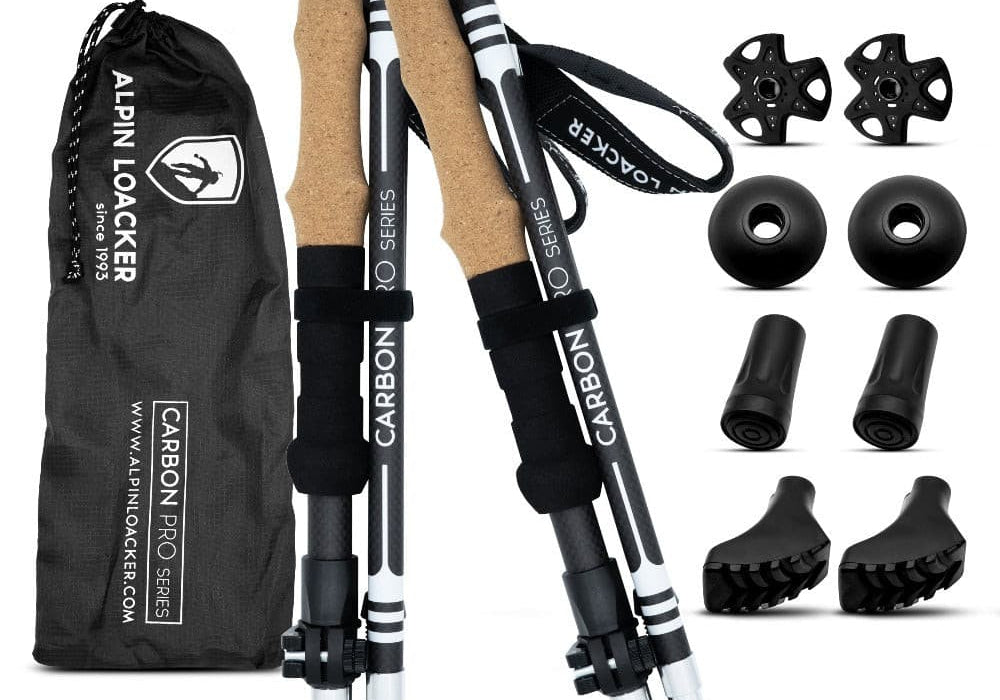
A well-designed backpack uses every centimeter meaningfully without unnecessary bulk. Particularly on compact tours in cold months, this advantage can be combined with other lightweight gear – such as a foldable trekking pole that can be stowed compactly in your backpack.
Carrying comfort despite low weight
Many outdoor enthusiasts wonder whether a lightweight backpack remains comfortable over hours. The answer is: Yes – if it's properly constructed. Several factors are decisive:
- Ergonomically shaped shoulder straps that don't dig in
- Breathable back padding to reduce sweating
- Chest and hip straps that distribute weight evenly
A high-quality backpack adapts to your body and moves with you, rather than working against you. Especially on longer tours, this combination of lightness and comfort pays off significantly. Those who additionally rely on functional clothing like Merino functional underwear as a base layer further optimize the overall wearing experience.
Which activities are lightweight backpacks suitable for?
A lightweight backpack is surprisingly versatile. It's particularly suitable for:
- Day hikes and hut-to-hut tours
- Ultralight trekking and fastpacking
- City trips and short getaways
- Cycling or climbing tours
- Outdoor adventures with minimalist gear
Those who've learned to pack consciously will discover that less luggage often means more freedom of movement. For New Year tours or spontaneous winter trips, it's worth considering an ultralight backpack with 40-liter capacity that provides enough space for sleeping bag, sleeping pad, and change of clothes.
What to look for when buying to find the right lightweight backpack
Modern backpacks benefit from innovative materials like ripstop nylon or recycled high-tech fibers. These fabrics are not only lightweight but also:
- Tear-resistant and durable
- Water-repellent or waterproof
- Low-maintenance and quick-drying
When purchasing a lightweight backpack, it's worthwhile to look beyond just the weight. Important criteria include:
- Fit to your own body height
- Volume suited to your planned tour
- Quality of seams and zippers
- Adjustment options for custom fit
A good backpack feels balanced on first fitting – even without load. Alpin Loacker consistently prioritizes high-quality materials and thoughtful designs in its outdoor products that meet exactly these criteria.
Carry less, experience more
Minimalist backpacks stand for a more conscious approach to equipment. They help you focus on what matters: nature, movement, and the experience itself. Once you've traveled with a lightweight backpack, most people don't want to miss that feeling of freedom and lightness. Combined with other well-thought-out gear – such as an ultralight sleeping pad for comfortable sleep – every tour becomes noticeably more enjoyable.
A lightweight backpack is more than just a trend – it's a thoughtful solution for anyone who wants to be comfortable and efficient outdoors. Through minimalist design, modern materials, and high carrying comfort, it becomes the perfect companion for every adventure.
FAQ – Frequently asked questions about lightweight backpacks
How much should a lightweight backpack weigh at most?
Models starting at around 500 to 1,000 grams with medium volume are considered lightweight. Ultralight backpacks often weigh less than 500 grams. However, what matters is the ratio of own weight to carrying comfort and volume – an extremely light backpack without stable construction isn't necessarily the best choice.
Is a minimalist backpack also suitable for multi-day tours?
Yes, as long as the volume fits. Models with around 40 liters offer enough space for sleeping bag, sleeping pad, change of clothes, and provisions. If you pack efficiently, you can easily manage several days – ideal in combination with compact gear like an ultralight down sleeping bag.
How do I properly care for a lightweight outdoor backpack?
Best clean it with lukewarm water, a soft brush, and mild detergent. Avoid the washing machine as seams and coatings can suffer. Then let dry in the air – never on a heater or in direct sun to keep the material durable.