




It sits ready in your backpack, weighs almost nothing, and can save lives in an emergency – the emergency blanket. But in the critical moment, the question often arises: which side should actually face outward? So you can use the emergency blanket correctly – on the mountain, while hiking, or in an outdoor emergency – we explain everything important here about proper use, how it works, and choosing the right emergency blanket.
How does an emergency blanket work?
An emergency blanket consists of a paper-thin, metallically coated foil with two differently colored sides – usually gold and silver. Both sides reflect heat radiation, but in different directions. This allows the emergency blanket to perform two completely opposite tasks depending on the situation:
- Protection from hypothermia in cold, wind, or wet conditions
- Protection from overheating in strong sunlight
Classic emergency foils from a first aid kit are only intended for short-term use. If you're spending longer in the mountains, you should invest in a robust outdoor emergency blanket that will survive years in your backpack without damage. Especially on multi-day tours – for example combined with a lightweight 40-liter backpack for winter tours – quality is more important than saving a few grams. In an emergency, every minute counts.
How to use an emergency blanket correctly: Which side goes outward?
The most important question first: which side goes outward? The answer depends on whether you want to retain or reflect heat:
- In cold: The gold side faces outward, the silver side lies against your body. This way, your body heat is reflected back by the silver inner side and you stay warm.
- In heat: The silver side faces outward, the gold side lies against your body. The silver outer side reflects sun rays and protects against overheating.
A simple memory aid: "Gold facing out when it's cold." That way you'll never forget which side goes where, even under stress. For retaining warmth, functional clothing is also crucial – those who rely on Merino functional underwear as a base layer have a clear advantage in an emergency because the body retains heat longer.
Practical application: How to use the emergency blanket correctly
In an emergency, every second counts. To ensure the emergency blanket works at full effectiveness, follow these steps:
- Find wind protection: Position yourself or the injured person in a sheltered location – for example behind a rock or under a tree.
- Insulation from below: In cold conditions, always place an insulating layer (backpack, jacket, leaves) between your body and the ground. The emergency blanket alone doesn't protect against ground cold. Optimal is a lightweight sleeping mat, if you have one in your backpack.
- Wrap completely: Wrap yourself or the patient completely – including the head, but leave the face exposed.
- Secure the edges: So the foil doesn't blow away in the wind, weigh down the edges with stones or tape.
- Remove wet clothing if possible: Damp clothing draws heat from the body. If the situation allows, remove it first.
By the way: the emergency blanket can also serve as a signal and visibility aid for helicopters. The reflective surface is easily visible from the air – an advantage not to be underestimated in alpine terrain.
Which emergency blanket is right? Material and quality
When buying an emergency blanket, you shouldn't only think about which side is for what, but also pay attention to quality and material. For ambitious mountaineers and hikers:
- Robust material: Tear-resistant, multi-layer foils withstand harsh conditions.
- Size: At least 210 × 160 cm so even large people can be completely wrapped.
- Waterproof & windproof: Protects not only against hypothermia but also against rain.
- Compactly packaged: Should fit in your first aid kit or backpack side pocket.
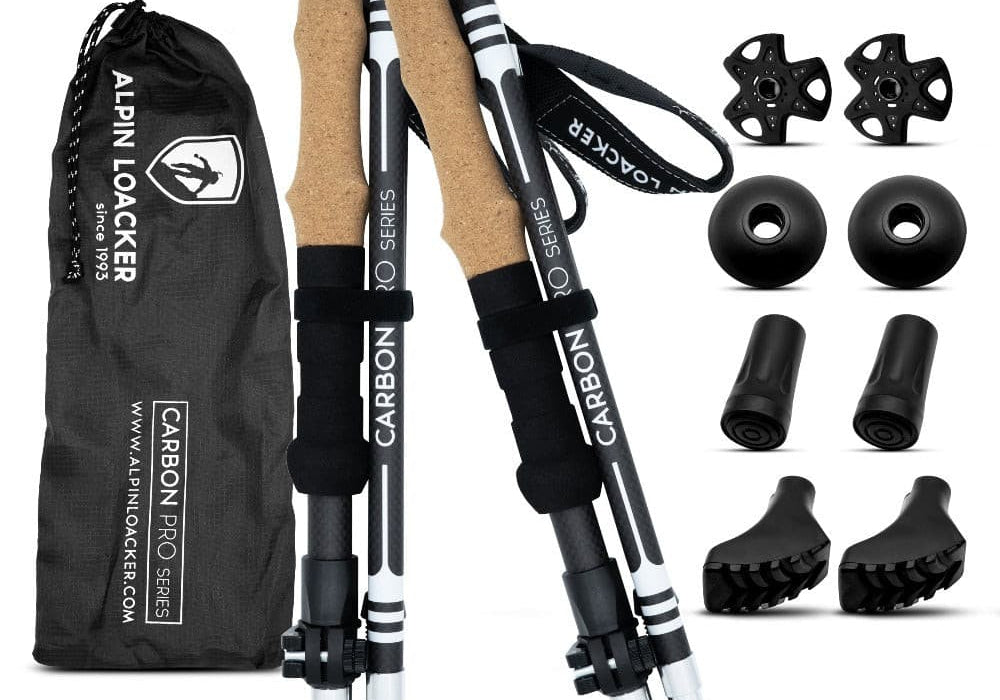
A high-quality emergency blanket weighs only a few grams but can save your life in an emergency. At Alpin Loacker you'll find durable outdoor emergency blankets specifically designed for use in the mountains – ideal as a supplement to your regular emergency equipment like a headlamp, first aid kit, and foldable trekking poles for secure footing in the terrain.
FAQ: Using an emergency blanket correctly
How long does an emergency blanket keep you warm?
An emergency blanket can reduce heat loss by up to 90%, but it doesn't replace a sleeping bag. For short-term emergencies it usually lasts several hours – the key is proper use with insulation from below and wind protection. For longer periods outdoors, additional clothing or a bivvy sack is necessary.
Can I use an emergency blanket multiple times?
Classic thin foils from first aid kits are usually only single-use because they tear or crumple easily. High-quality outdoor emergency blankets made of tear-resistant material can be reused as long as they remain undamaged. Check your blanket regularly for tears and replace it if necessary.
Do I need an emergency blanket in summer too?
Yes, absolutely. Even in summer, weather in the mountains can change quickly, and hypothermia threatens especially with injuries or exhaustion. Plus, the silver side facing outward protects against excessive sun exposure – for example while waiting for help in exposed terrain. So the emergency blanket belongs in your backpack year-round.
Well prepared for your next tour
Merino socks, thermal sleeping bags and outdoor gear straight from the manufacturer.
30-day returns · Free shipping from €50