




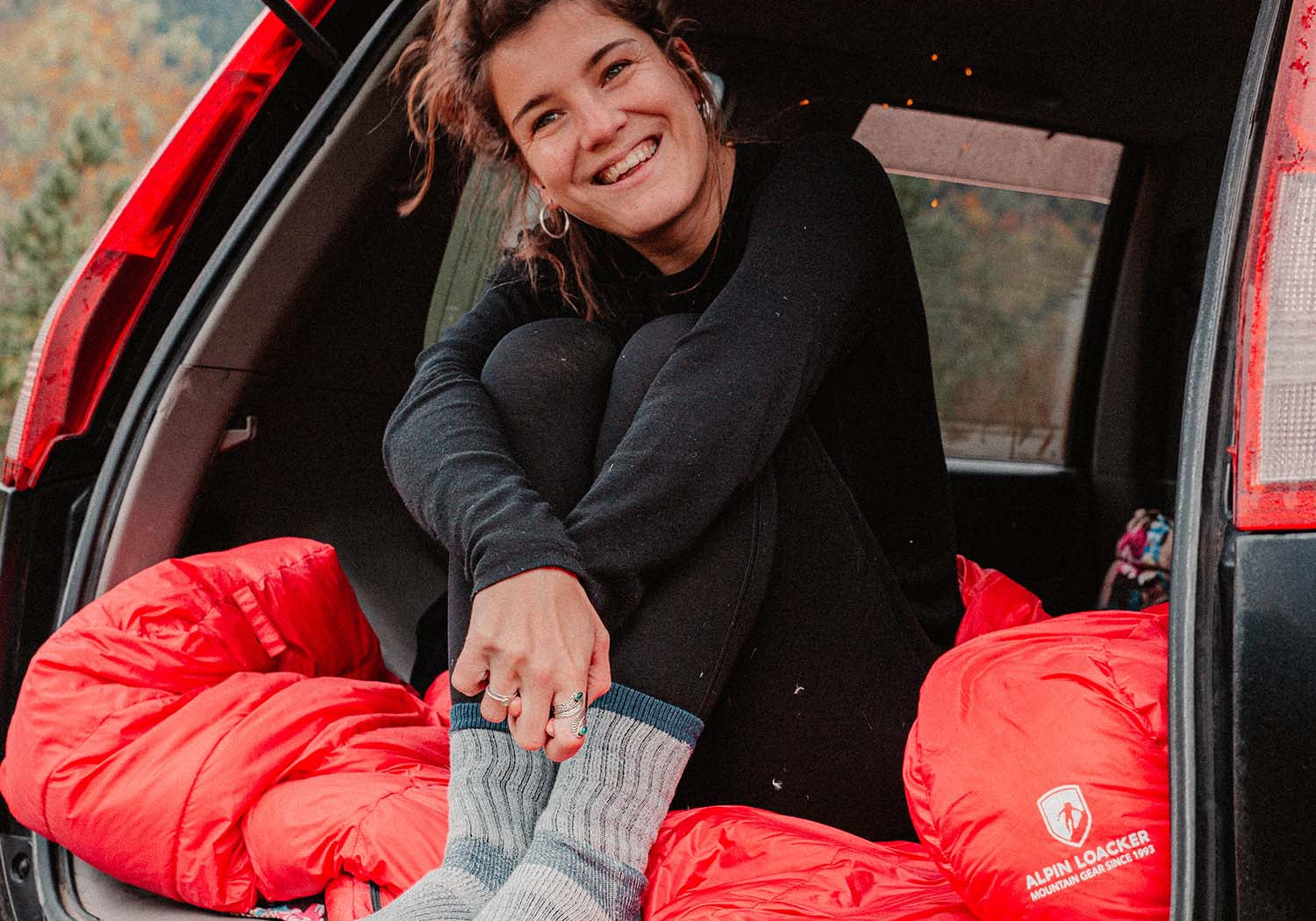





Winter has its own magic – sparkling snowfields, crisp air, and deeply snow-covered forests. But for all outdoor enthusiasts venturing out in January, it also brings challenges, especially when it comes to spending a warm and comfortable night in a tent or under the open sky. For side sleeper is the choice of the right sleeping mat crucial: A good sleeping pad not only provides warmth but also comfort, so you can get through the night well and start the next day rested.
In this blog, we look at the most important aspects when choosing the best sleeping pad for side sleepers, what you should especially pay attention to in January and which features a sleeping pad should have so you can sleep both warm and comfortably – even in freezing temperatures.
Why is the right sleeping pad so important for side sleepers?
Side sleepers need more comfort than back or stomach sleepers. Because of the side sleeping position, pressure on the hips and shoulders is higher, which can cause pain and restless sleep with unsuitable pads. A good sleeping mat therefore has to meet two challenges:
-
Thermal insulation: Especially in January, temperatures can drop well below freezing. A sleeping pad must effectively insulate you from the cold ground to retain warmth and keep out the chill.
-
Comfort: Shock absorption and pressure distribution are crucial for side sleepers. Without enough cushioning, sleep can quickly become uncomfortable.
What to look for when buying your sleeping pad
1. R-value – The measure of insulation performance
The so-called R-value indicates how well a sleeping pad insulates against cold. For winter camping and frosty nights in January, you should look for Sleeping pads look for a high R-value (ideally R-value 4 and above). The higher the R-value, the better the insulation – especially important if you’re spending the night in snow or on frozen ground.
2. Thickness and comfort – important for side sleepers
Side sleepers need more cushioning under hips and shoulders. A thicker sleeping pad with well-padded structure can be crucial here. Look for models that specifically offer comfort zones or ergonomic support – that makes the difference between a restful night and a sleepless experience.
3. Weight and packed size – when you’re on the move
If you enjoy hiking or traveling light, ultralight sleeping pads play a big role. They provide you with comfort and warmth without weighing you down with heavy gear. Especially for multi-day winter treks, low weight is a real advantage.
4. Material and durability
Sleeping pads come in various materials, each offering different advantages:
-
Foam – sturdy, reliable, and usually more affordable, but somewhat heavier and less comfortable.
-
Self-inflating – good combination of comfort and insulation, ideal for longer trips.
-
Air mattresses – very comfortable and lightweight, but often less insulating without additional layers or insulation systems.
Pay attention to durable materials, as cold ground and sharp stones can cause faster wear, especially in winter.
Ultralight sleeping pads – perfect for on the go
For everyone on the move in January – whether snowshoeing, winter trekking, or bikepacking – ultralight sleeping pads an excellent option. They offer an optimal weight-to-performance ratio and are specially designed for outdoor adventures where every gram counts.
Advantages of ultralight sleeping pads:
-
Extremely small packed size
-
Low weight ideal for long tours
-
Often high thermal performance despite low weight
However, comfort in some ultra-light models can be slightly lower than in heavier, thicker mats. That’s why it’s important to knowing your sleeping position and needsbefore you decide.
Tips for better sleep in winter
Besides the right sleeping mat, there are extra tricks to sleep warm and comfortably:
Additional insert: A thin layer of foam or an additional emergency blanket between the mat and sleeping bag can provide insulation.
Warm clothing: Thermal underwear and a good sleeping bag increase comfort.
Conclusion: The right sleeping mat makes all the difference
Especially as a side sleeper on frosty January nights, choosing the right sleeping mat crucial for good sleep and recovery. Pay attention to high thermal performance, comfort, and – if you're often on the move – lightweight, ultra-light models.
Whether you're planning a winter camping adventure or embarking on longer trekking tours: with the right sleeping mat, you're well equipped to sleep comfortably even in freezing temperatures. And if you value quality and well-thought-out outdoor gear, you'll find with Alpin Loacker a reliable partner for high-quality and well-insulating sleeping mats – specially tailored to your needs as an active side sleeper on frosty January nights.