





When the sky darkens and the first drops fall, your outdoor gear shows what it's really made of. The water column in rain jackets is the crucial specification that determines whether you'll stay dry or get soaked during hours in nature. But what is a good water column value in rain jackets really – and which value is right for your next adventure? In this guide, you'll learn what matters, how it's measured, and which values you need for different activities.
What does the water column mean in a rain jacket?
The water column of a rain jacket is a standardized unit of measurement that indicates how waterproof a material actually is. Put simply: The higher the water column, the better your jacket protects you from moisture. Measured in millimeters (mm) – the value describes how much water pressure the fabric can withstand before the first drops penetrate.
For comparison: Tents, trousers, and backpacks are also rated using the same principle. If you regularly spend time outdoors, you should definitely know this specification, as it makes the difference between a pleasant tour and an uncomfortable wet experience.
- Hikers benefit from high values on longer multi-day tours.
- Cyclists need protection that holds up even with wind and splashing water.
- Mountaineers rely on maximum waterproofing in extreme weather conditions.
Especially on cold or wet tours, the right base layer also determines your comfort. A breathable Merino functional underwear as a base layer complements a high-quality rain jacket perfectly.
How is the water column in rain jackets measured?
The water column is measured using a standardized procedure, usually according to the DIN EN 20811 standard. The outer material of the jacket is stretched under a water cylinder and gradually subjected to water pressure. The pressure increases until exactly three water drops reach the inside of the material. The measured value is then converted to millimeters of water column.
As a rule of thumb:
- 0.1 bar pressure = 1,000 mm water column
- 0.2 bar pressure = 2,000 mm water column
- 1.0 bar pressure = 10,000 mm water column
According to European standards, a material can officially be called "waterproof" starting at a water column of 1,500 mm. In practice, however, this is far from enough to reliably keep you dry in heavier rain or over longer periods.
What is a good water column in rain jackets for different activities?
The question of what is a good water column in rain jackets depends heavily on the intended use. Not every activity requires high-tech material, but for intensive outdoor use you shouldn't compromise.
- 1,500 – 4,000 mm: Protection in light drizzle for short periods – ideal for city and everyday use.
- 5,000 mm: Withstands brief rain showers but quickly reaches its limits.
- 10,000 mm: Solid protection for hiking and cycling in heavier rain.
- 15,000 – 20,000 mm: Recommended for mountain tours, trekking, and intensive outdoor activities.
- Over 20,000 mm: Professional level for extreme conditions, high-altitude tours, and expeditions.
Example: Is a rain jacket with 5,000 mm water column really waterproof? Yes, in light drizzle – but as soon as you get caught in a proper downpour or carry your backpack on your shoulders for a longer time, the additional pressure becomes a problem. First you'll feel moisture on your arms, then rain penetrates the rest of the material.
For autumn and winter tours, a water column of at least 10,000 mm is therefore recommended, preferably 15,000 mm or more. If you're out with an ultralight backpack for winter tours, the weight presses down on the material – all the more reason not to skimp on protection.
What else you should pay attention to with your rain jacket besides water column
Water column alone doesn't make a perfect rain jacket. To stay truly dry, several other factors play an important role:
- Breathability: A high water vapor transmission rate (MVTR) prevents you from getting wet from the inside.
- Taped seams: Even the best material is useless if water seeps in at the seams.
- Robust zippers: Waterproof or covered sliders protect against moisture entering.
- Water repellent coating (DWR): The outer coating ensures water beads off and the material doesn't soak through.
- Fit and ventilation: Adjustable hood, cuffs, and underarm zippers create a pleasant climate.
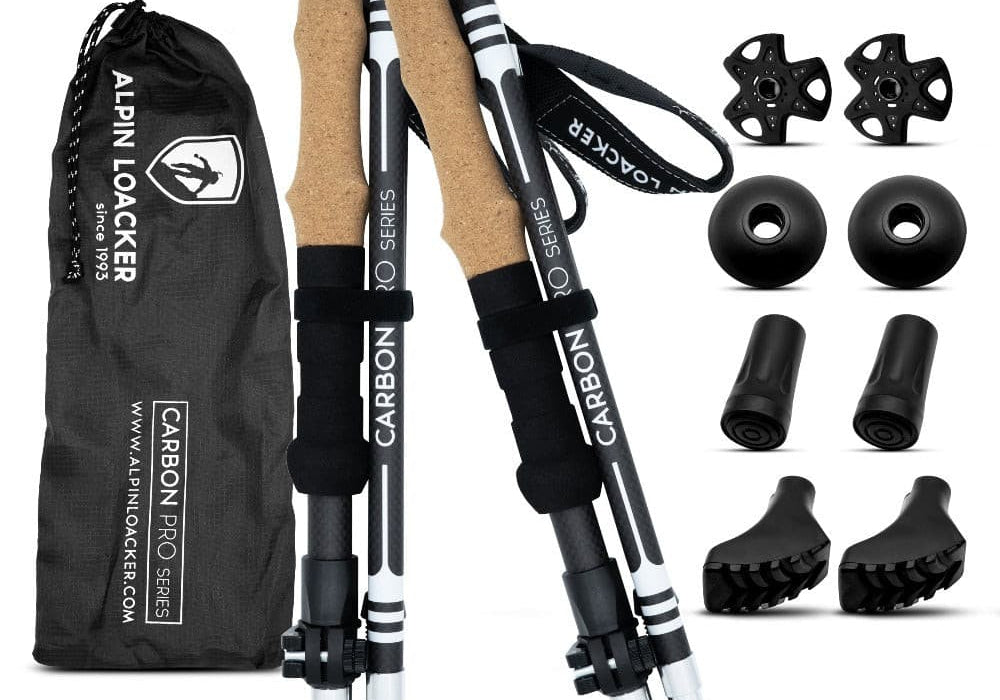
Accessories also determine dry tours: With the right trekking poles in cold and wet conditions, you'll stay stable even on slippery terrain. And after a rainy day, an ultralight sleeping mat provides comfortable sleep in your tent.
Frequently asked questions about water column in rain jackets
At what water column is a rain jacket really waterproof?
Officially, a material is considered waterproof starting at 1,500 mm. For real outdoor use, you should choose at least 10,000 mm, and for longer tours and heavy backpacks rather 15,000 to 20,000 mm.
Does the water column change over time?
Yes, through abrasion, washing, and UV radiation, the water column can decrease over time. Regular water repellent treatment with DWR products refreshes the protection and significantly extends the life of your jacket.
Is a higher water column always better?
Not necessarily. A very high water column often means stiffer material and lower breathability. If you mostly spend time in moderate weather, you'll be more comfortable with 10,000–15,000 mm than with expedition values.
Waterproof jackets with high water column
Alpin Loacker hardshell jackets meet the highest waterproofing standards.
30-day return policy · Free shipping from €50