




Anyone who regularly hikes in the mountains knows: the right socks make the difference between enjoyment and suffering. Especially when it comes to Falke women's hiking socks sale, it's worth taking a closer look at material, fit, and function – because not every sock delivers on its promises. High-quality hiking socks for women ensure that feet stay dry, blister-free, and pleasantly temperature-regulated, whether on day hikes, alpine routes, or multi-day trekking adventures. Besides good hiking boots and sturdy hiking poles tested in 2026, they are an often underestimated but crucial part of your gear.
Why quality hiking socks are so important
Hiking comfort stands and falls with your feet. Pressure points, excessive sweating, or blisters can quickly ruin a beautiful hike. This is where high-quality women's hiking socks come into play: they combine breathable materials, targeted cushioning, and ergonomic fit to optimally support your feet.
Regular everyday cotton socks are unsuitable for hiking. They trap moisture, cause friction, and lead to blisters. Modern hiking socks, on the other hand, efficiently transport sweat outward, keeping feet dry. Plus, they conform to your foot shape and provide additional stability at the toes, heel, and midfoot.
Breathability – the secret to dry feet
Breathable materials are essential. High-quality hiking socks are typically made from functional fibers like merino wool, polyester, or polyamide. These materials wick moisture away from the skin while maintaining a pleasant foot climate.
Merino wool in particular has proven itself: it regulates temperature, warming in cold and cooling in heat. It's also naturally odor-resistant – ideal for multi-day tours. For more about this fiber, our article on merino wool properties and benefits covers all the details. Combined with synthetic fibers, you get a material blend that is both breathable and durable.
Falke Women's Hiking Socks Sale – what to look for when buying
If you're looking for deals like Falke women's hiking socks sale, don't just focus on price – prioritize quality of construction. Key factors include:
- Material blend: Merino wool for temperature regulation, synthetics for durability.
- Cushioning: Reinforcement at heel, ball, and toes.
- Fit: Anatomically shaped left and right sock.
- Cuff: Elastic but not constricting.
- Height: Matched to your hiking boot shaft.
Tip: At Alpin Loacker you'll also find high-quality merino socks for your feet that hold their own against established brands in terms of comfort and function – ideal as an alternative for comparison.
Comfort through ergonomic fit
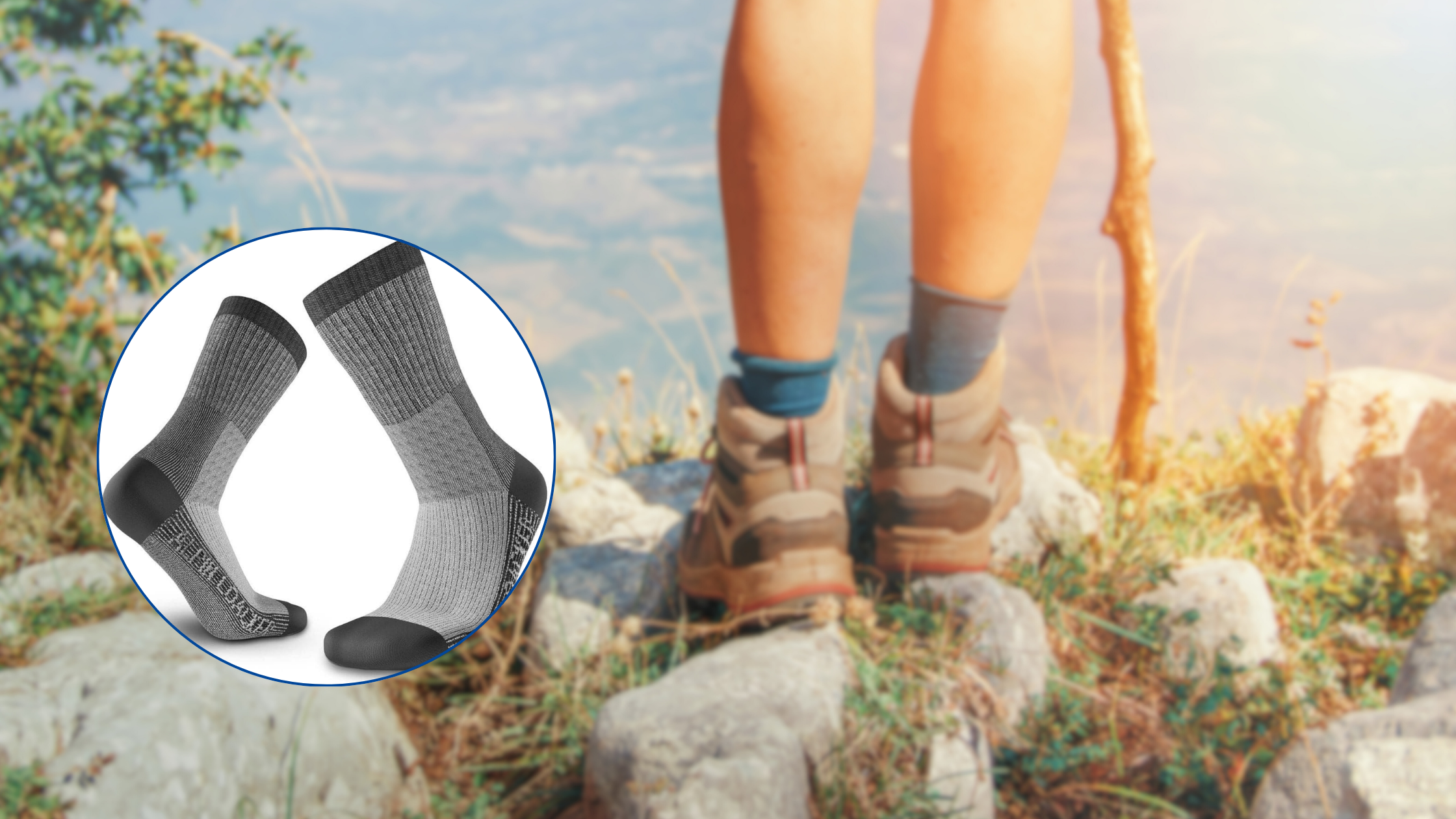
Hiking socks are designed to perfectly conform to your foot. Left and right socks are constructed differently to account for the foot's anatomical structure. Cushioning at the heel, ball, and toes provides extra protection and dampens impact with each step.
An elastic cuff keeps socks from slipping. Many models also feature compression zones that promote blood circulation and prevent fatigue. This keeps your foot feeling comfortably light even after hours of hiking.
Hiking blister-free – here's how
Blisters form from friction, heat, and moisture – a combination you can avoid with the right socks. The key is that hiking socks fit perfectly and are made from moisture-regulating material.
Before longer hikes, it's recommended to break in new socks. Wearing double socks (thin inside, thick outside) can also help reduce friction in some cases. Equally important: pairing them with the right hiking boots. No sock can work miracles if your boot is pinching – the interplay of both components ensures blister-free hiking, even on demanding routes.
The perfect duo: hiking socks and hiking poles
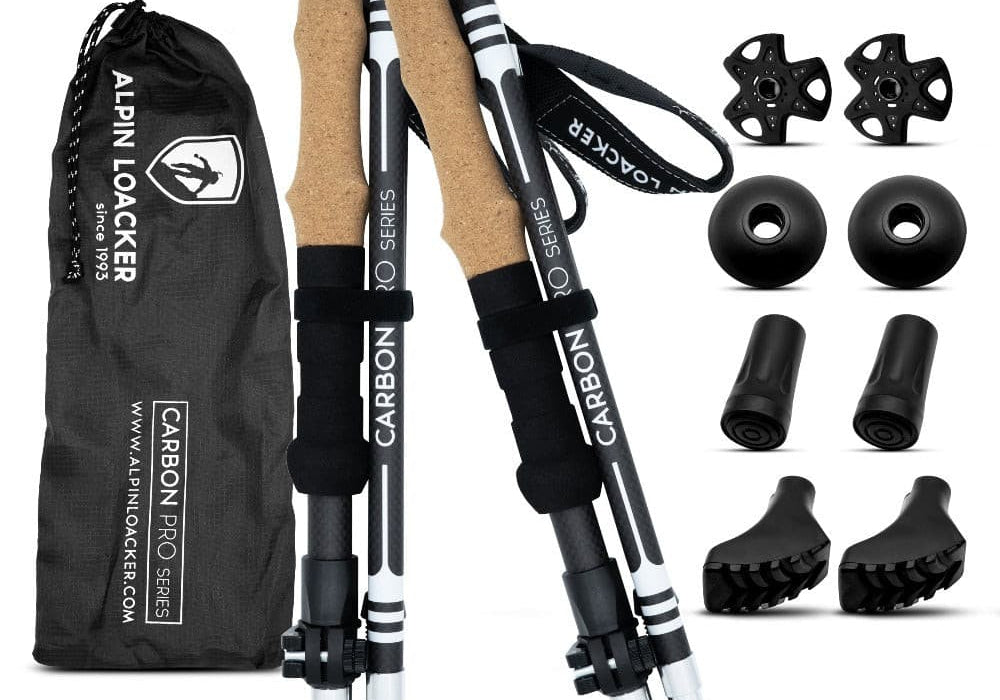
On long hikes, you know that feet aren't the only thing needing relief. Sturdy hiking poles reduce pressure on joints and provide more security on uneven terrain. In particular, carbon hiking poles with perfect balance between lightness and robustness pair ideally with functional hiking socks. To improve your technique, find helpful tips in our guide on how to properly use hiking poles and safely start your outdoor season.
Care for long-lasting durability
To keep your hiking socks functioning properly, proper care is important. Merino socks should be washed cool and gently, preferably with a special wool detergent. Find more tips in our guide on properly washing and caring for merino wool. This keeps elasticity, shape, and function intact for the long term – so you can enjoy your favorite socks for years to come.
Frequently asked questions
Is a Falke women's hiking socks sale really worth it?
A sale can be worthwhile if the sock suits your foot and intended use. Pay attention to material, cushioning, and shaft height. High-quality merino models are durable and thus a sound investment even on sale.
What material is best for women's hiking socks?
A blend of merino wool and synthetics is considered ideal. Merino wool regulates temperature and moisture, synthetic fibers provide durability and quick drying – the perfect combination for day hikes and multi-day tours.
How often should I change hiking socks?
On longer hikes, it's recommended to change into fresh socks daily. On intense stages or in high temperatures, changing socks during the day can also be worthwhile to minimize moisture and friction and prevent blisters.