




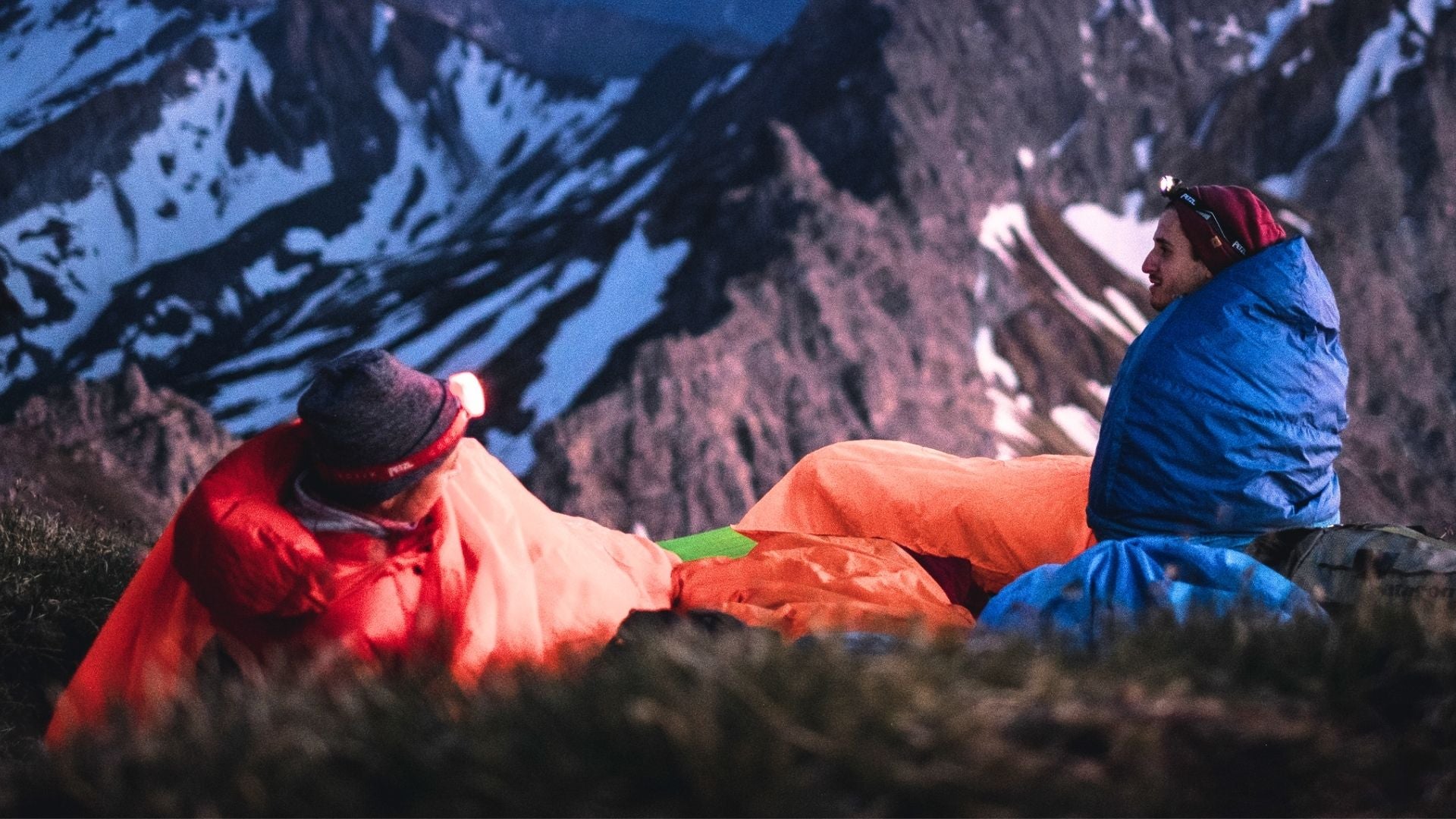
Sleeping outdoors is for many the epitome of freedom – and no wonder, because under the open sky we get closer to nature than ever before. To ensure your outdoor adventure is truly restorative, the right equipment is essential. Alongside a tent, sleeping bag and sleeping mat, a good pillow also plays an important role – and you'll find exactly that in this article pillow positioning tips that help you find the optimal sleeping position in the open air and wake up in the morning without neck pain.
What equipment do you need to sleep outdoors?
Well-thought-out outdoor equipment determines whether you wake up refreshed or exhausted the next morning. In addition to a lightweight tent, bivy sack or hammock, you should plan for the following basics:
- Sleeping mat: It protects you from ground cold and provides comfortable lying comfort. Our ultralight model weighs only 460 g and fits in any hiking backpack thanks to its small packed size. Those heading out on winter tours should take a closer look at ultralight sleeping mats with high insulation performance.
- Sleeping bag: A down sleeping bag provides you with cozy security and reliably protects against cooling. For cold nights, an ultralight down sleeping bag for winter camping is recommended.
- Travel pillow: Without a head pillow, a night in the open quickly becomes uncomfortable. To wake up without neck pain, an inflatable travel pillow belongs in every bag. Our sitting pillow for mountain lovers is a real multi-talent – it can be used for sleeping and sitting.
Pillow positioning tips: How to really sleep comfortably outdoors
The term "pillow positioning" describes a sleep technique where the pillow is positioned not only under the head, but actively between the legs, under the hip or in the lower back area – a clever method to relieve strain on the back. Especially when sleeping on a sleeping mat, these small adjustments make a big difference. Here are our most important pillow positioning tips for your outdoor overnight stay:
- Side sleeper: Place a second small pillow or rolled-up jacket between your knees. This keeps your spine straight and prevents hip pain. If you prefer extra comfort, check out the best sleeping mat for side sleepers.
- Back sleeper: Place a flat pillow or sitting cushion under the back of your knees. This noticeably relieves the lower back.
- Stomach sleeper: Use the flattest possible pillow under your head and a second one under your pelvis to avoid a swayback.
- Inflatable pillow filled correctly: Inflate it to about two-thirds full. This allows it to adapt better to your head shape and won't "shift" off the mat.
- Prevent slipping: Place the pillow under the edge of the sleeping bag hood or secure it with a piece of clothing underneath so it doesn't move during the night.
Summer or winter sleeping bag: What's the difference?
Summer and winter sleeping bags differ mainly in fill weight. The more down that is used, the better the insulation performance. Winter sleeping bags contain significantly more down fill and protect you from cooling even in sub-zero temperatures.
Since temperature sensation is very individual and many people find 10 degrees cool, we recommend the Down Pro 4-season down sleeping bag. With this, you'll be well equipped year-round. If you prefer extra coziness or are traveling as a couple, you might also consider a double sleeping mat for maximum sleeping comfort.
Sleeping outdoors: What are your options?
Spending nights under the open sky can be done in various ways:
- Bivy sack: The simplest option. Water- and windproof, it's simply pulled over the sleeping bag.
- Hammock: Minimalist and lightweight, but only conditionally suitable for insects or weather changes.
- Tent: Provides maximum protection from wind, cold, rain and insects. Our ultralight tents are the perfect choice. For frosty nights, you should consider what to pay attention to with an ultralight tent on cold nights.
- Tarp: A lightweight tarp that can be set up in no time and reliably protects against wind and rain.
Tips depending on the season
No matter what season you sleep outdoors: always keep an eye on the weather. During thunderstorms or storms, it's better to postpone your night in the open. If you don't mind wind and rain, a waterproof tent and sturdy sleeping bag are essential. A level campsite, a flashlight for nighttime walks and warm clothing – such as Merino functional underwear as a base layer – round out your equipment.
FAQ – Frequently asked questions about sleeping outdoors
What pillow positioning tips help against neck pain?
It's important that the pillow is not too high and not over-inflated. Fill an inflatable travel pillow only about two-thirds full so it adapts to your head shape. Side sleepers also benefit from a small pillow between the knees that keeps the spine straight.
Do I need a different sleeping bag for each season?
Not necessarily. A 4-season down sleeping bag covers a large temperature range. However, those who regularly venture out in the dead of winter should consider a specialized winter model.
How do I protect myself from ground cold when sleeping outdoors?
An insulating sleeping mat is essential. Pay attention to the R-value: the higher it is, the better the insulation. For winter tours, an R-value of 4 or higher is recommended in combination with a warm down sleeping bag.