




Anyone who has ever stood frozen on a mountain peak or conquered a long ascent drenched in sweat knows the problem: wearing the wrong clothes. The onion principle – also called the layering system – is the solution. When applied correctly, outdoor layering keeps you warm, dry, and comfortable – whether in sunshine or snowstorms.
Layer 1: The Base Layer
The innermost layer lies directly on your skin and actively transports moisture outward. Cotton t-shirts absorb sweat and cool you down – the classic beginner's mistake.
The best choice: Merino wool regulates temperature in both directions, naturally inhibits odors, and doesn't itch. Choose the weight based on your activity:
- Summer / active: Merino 150–200 g/m²
- Fall / trekking: Merino underwear 200–260 g/m²
- Winter / extreme: Merino 260–300 g/m² or double-layered
Layer 2: The Insulation Layer (Mid Layer)
The middle layer retains body heat. This is where fleece or down jackets come in:
- Fleece jacket: Ideal for active hours, insulates even when slightly damp – more details in our fleece guide
- Down jacket: Maximum warmth during breaks and summit rest – compact and light in your backpack
- Softshell jacket: Combines insulation and light wind protection for transitional weather
Layer 3: The Outer Layer (Shell)
The outermost layer protects against wind and rain. The hardshell jacket is an essential all-weather tool.
- Water column: At least 10,000 mm for alpine tours – more details in our water column guide
- Water repellency: PFC-free DWR coating protects the outer material
- Pack size: An ultralight hardshell jacket weighs under 300 g
The Onion Principle in Practice
- Spring tour (5–15 °C): Merino shirt + thin fleece jacket + hardshell in backpack
- Fall trekking (0–10 °C): Merino long-sleeve + merino underwear + 200 fleece + hardshell
- Winter hike (-10–0 °C): Merino 260 g/m² + down jacket + hardshell
- Alpine tour: Merino + fleece + down + heavy hardshell
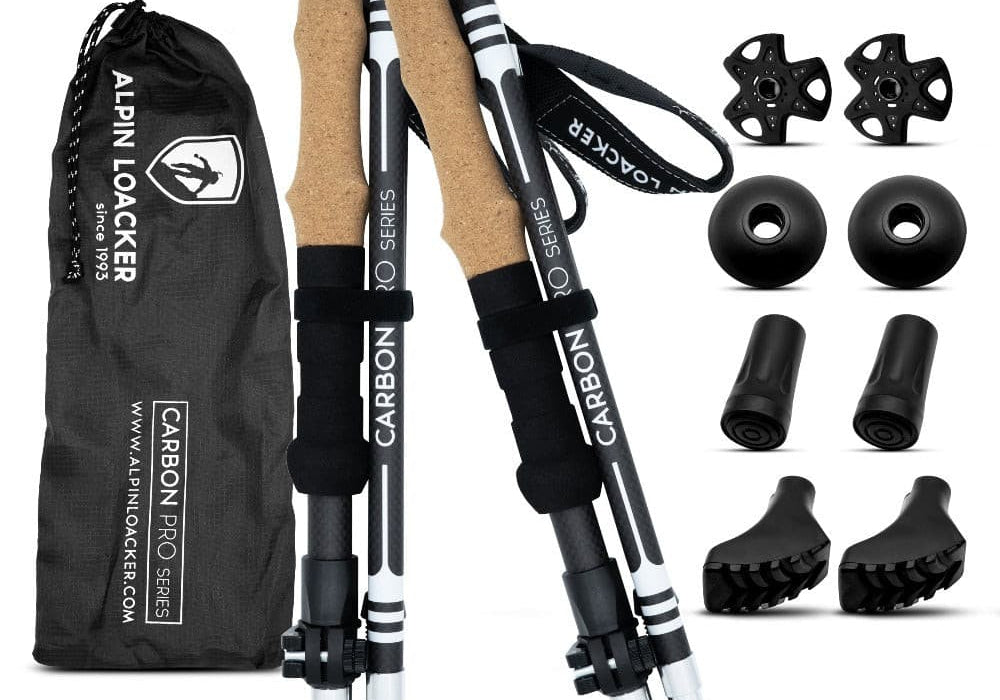
Don't forget the right equipment: using trekking poles correctly and adjusting your backpack properly complete every tour.
FAQ: Onion Principle and Layering
How many layers do I really need?
For most tours, 2–3 layers are sufficient. In summer, base layer + shell is enough. In winter, use all three. The advantage: You can remove layers during the ascent and add them during breaks – this way you avoid both sweating and cooling down.
Can I wear cotton as a base layer?
Cotton is the worst material for outdoor sports. It absorbs sweat and doesn't release it – it feels wet and cold. Always use merino or synthetic as your innermost layer.
What's the difference between hardshell and softshell?
A hardshell jacket is completely waterproof, a softshell jacket is only water-resistant. Softshell is more breathable and flexible – ideal for dry, windy days. In real rain, the hardshell jacket is essential.