




A hike is supposed to refresh body, mind and soul – but what if your knee won't cooperate? Knee pain after hiking is one of the most common complaints among outdoor enthusiasts and can quickly spoil the most beautiful mountain day. In this article, you'll learn where the discomfort comes from, how to avoid it, and what you can do if it does start bothering you.
Causes: Why do knee pain occur after hiking?
Our knees are true high-performance joints – but they also have their limits. Particularly when hiking in the mountains, enormous forces act on the joints. The descent is especially treacherous: here, the load on the knee joint can reach up to six times your body weight. If you're also carrying a heavy backpack, the load multiplies further.
Common causes of knee pain after hiking include:
- Overuse from hikes that are too long or steep without adequate training
- Incorrect footwear with insufficient cushioning or poor support
- Weak leg and core muscles that don't adequately stabilize the knee
- Poor posture such as fully extended knees when descending
- Pre-existing structural problems such as meniscus issues, arthritis, or runner's knee
- Overly heavy backpack that additionally stresses the spine and thus the knees
If you know the triggers, you can take targeted action – and that's exactly what the next section is about.
Prevent knee pain while hiking: The best tips
The good news: with proper preparation, knee pain while hiking can be prevented in most cases. Here are the most effective strategies:
- Train your leg muscles: Squats, lunges and calf raises strengthen the muscles around the knee and relieve the joint.
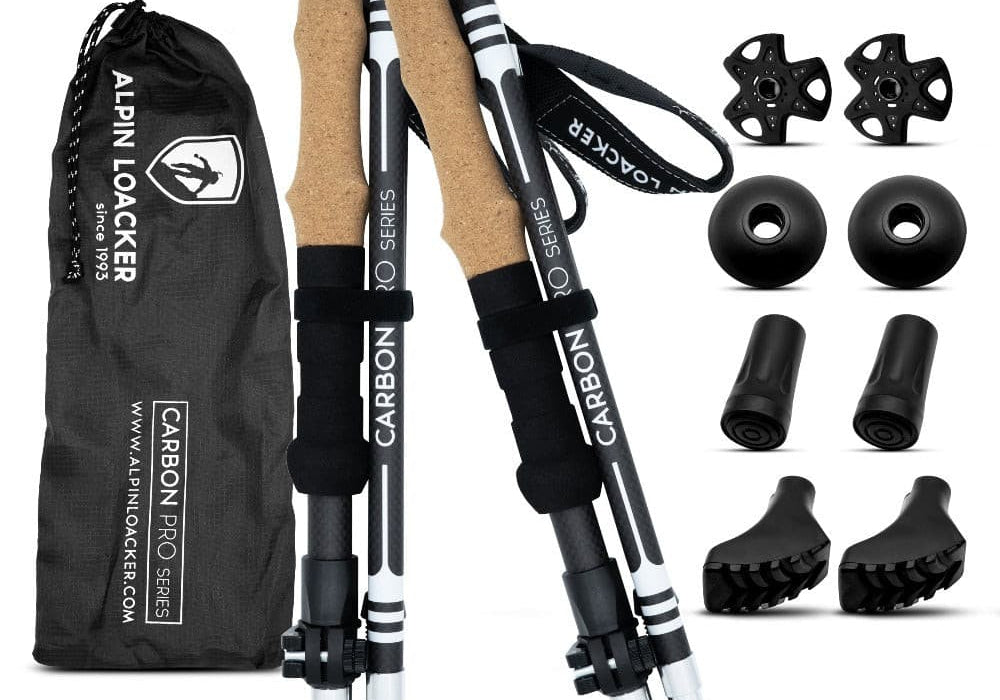
- Use hiking poles: They reduce the load on the knees during descent by up to 25%. Our guide shows how to use hiking poles correctly.
- Choose appropriate footwear: Sturdy hiking boots with good cushioning and grip sole provide support and absorb impacts.
- Pack light: Reduce your backpack weight to the essentials. Lightweight water bottles and compact equipment make a noticeable difference.
- Descend in a controlled manner: Small steps, slightly bent knees and centered body weight spare the joint.
- Warm up: Just a few minutes of light mobility work before the start optimally prepares muscles and joints.
The right equipment against knee pain after hiking
Equipment can be a real game-changer when it comes to knee pain. Choosing high-quality materials not only protects your joints but also makes the hiking experience more pleasant overall. These equipment items deserve your attention:
- Telescopic or folding poles: Adjustable in length, lightweight and sturdy – ideal for climbs and descents. A direct comparison of different models can be found in our 2026 hiking poles test comparing carbon and aluminum. Those who travel with a particular focus on weight will benefit from carbon hiking poles with ideal balance of lightness and durability.
- Ergonomic backpack: Look for a good hip belt that shifts the weight to your hips and relieves pressure on your knees.
- Lightweight, high-quality water bottles: Every gram counts – especially on long hikes. A sleek stainless steel water bottle from Alpin Loacker saves noticeable weight.
- Knee braces: If you have known pre-existing conditions, they provide additional support.
- Functional hiking socks: They cushion and reduce pressure points, which indirectly also improves your gait. Why merino socks are particularly beneficial is explained in the linked article.
The right terrain surface also plays a role: which pole tip for which terrain is advisable determines how much impact force is actually taken off your knee.
First aid for acute knee pain after your hike
Despite all precautions, your knee is acting up? Don't panic – with the right immediate measures, you can usually manage the discomfort well:
- Cool it: An ice pack or cold stream water relieves swelling and inflammation immediately after your hike.
- Elevate: This promotes drainage of fluid and reduces pressure in the joint.
- Rest: Give your knee one to two days of rest before you get back to full activity.
- Gentle movement: Light cycling or swimming keeps the joint mobile without straining it.
- Pain relief: For severe discomfort, anti-inflammatory medication can help short-term – preferably in consultation with a doctor or pharmacist.
If the pain persists for more than a few days or keeps recurring, you should definitely consult a doctor to rule out serious damage.
FAQ: Frequently asked questions about knee pain after hiking
Why do my knees especially hurt when descending?
During descent, forces of three to six times your body weight act on the knee joint. The muscles must absorb impact with each step, putting significant strain on tendons, cartilage and the kneecap. Shorter steps, slightly bent knees and hiking poles noticeably reduce the load.
Do hiking poles really help with knee pain?
Yes. Studies show that poles can reduce load on the knee joints by up to a quarter – provided they are properly adjusted and used correctly. Especially during descent and with a heavy backpack, they're worth using.
When should I see a doctor about knee pain?
If the pain persists for more than a few days, occurs at rest, is accompanied by swelling, locking or instability, or keeps returning, a medical evaluation is worthwhile. This can help identify and treat meniscus, cartilage or ligament injuries early.
Prevent knee pain while hiking
Merino hiking socks with optimal cushioning — and the right hiking poles reduce strain on your knees by up to 30%.
Free shipping from €50