



Anyone who wants to conquer the mountains with their four-legged friend experiences nature in a completely new way. Hiking in Tyrol with a dog is a wonderful opportunity to strengthen the unique bond between humans and animals while discovering spectacular mountain panoramas, crystal-clear mountain lakes, and blooming alpine meadows. However, to make your joint tour an unforgettable adventure, good preparation, suitable equipment, and a carefully selected route are essential. In this article, we show you the most important tips for relaxed and safe hiking tours with your dog.
Can you hike with every dog?
No – not every dog is suitable for hiking. Especially for older and chronically ill dogs, a mountain tour can quickly become torture. If your four-legged friend suffers from arthritis or another degenerative joint disease, hiking with a dog is not the right choice for you. Also, dogs that prefer to relax comfortably on the couch and view walks as a necessary evil will have little joy on a joint hiking tour.
Puppies and particularly anxious dogs should also stick to shorter walks. For all other pups: you know your dog best. If he is keen to run and explore, nothing stands in the way of your joint dog hiking tours. What matters is adapting the tour to your furry friend's individual needs. Dogs with particularly short legs need different routes than larger, athletic breeds.
From what age can my dog hike with me?
Your dog should be at least 1.5 years old before you undertake longer mountain tours with him. Hiking is far too strenuous for puppies. Beyond a lack of fitness, it's mainly about protecting bones and joints: during the growth phase, these can suffer significant damage on long tours.
Proper preparation for hiking in Tyrol with a dog
Before you set off, your dog should have a veterinary check-up. Vaccinations, tick and flea prevention, and an assessment of physical fitness are essential. Also, build your dog's fitness gradually – start with short tours on flat terrain and increase duration and elevation gain step by step.
As a dog owner, you should also be well prepared. The right clothing makes the difference: those who rely on merino wool with its temperature-regulating properties stay pleasantly dry in changeable mountain weather. Particularly practical are merino socks that prevent blisters and remain odor-free even after several hours in hiking boots.
Also plan sufficient breaks and find out in advance about the conditions of the route: are there water sources? Is the route dog-friendly? Do you need to avoid sheep or cows? In Tyrol, a leash requirement applies on many alpine pastures, especially during grazing season.
Equipment: What belongs in your hiking backpack?
To ensure you and your four-legged friend stay safe on the trail, the following equipment should not be missing:
- Water and drinking bowl: Dogs need significantly more fluids on the trail than at home. Collapsible bowls are especially practical.
- Energy-rich food and treats: Definitely pack snacks for longer tours.
- First-aid kit for dogs: With paw bandages, tick remover, and disinfectant.
- Paw protection: Essential on sharp gravel paths or hot rocks.
- Leash and harness: A padded chest harness is gentler on joints than a collar.
- Poop bags: An absolute must, even in nature.
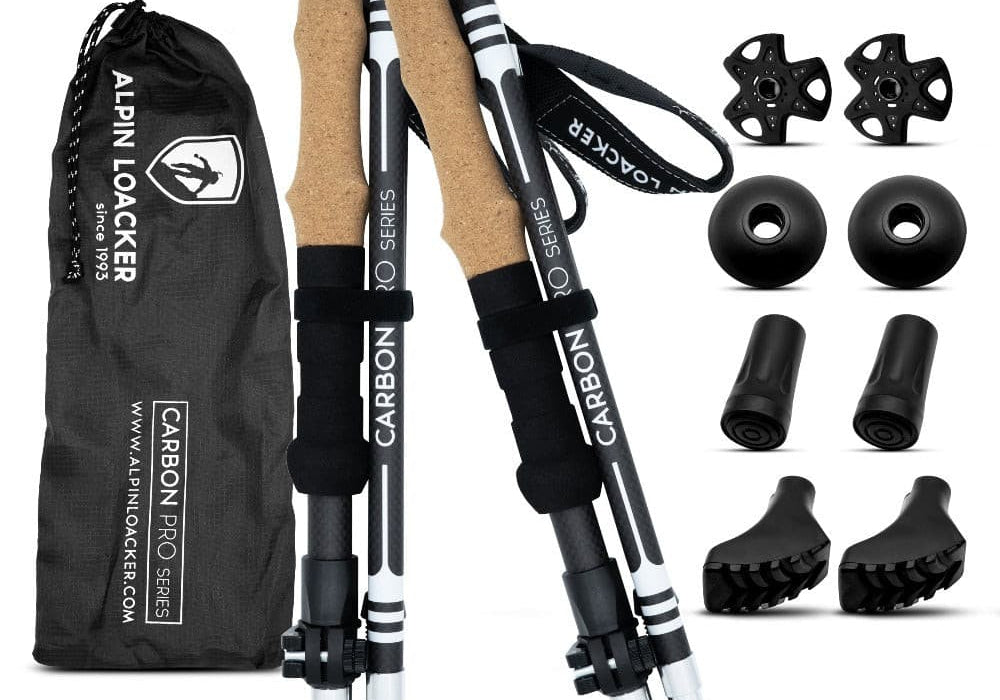
For yourself, proper hiking poles are worth their weight in gold on mountain tours – they relieve stress on joints and provide security on slippery terrain. Those who prefer to travel light can opt for a collapsible trekking pole that fits compactly in your backpack. For multi-day tours with overnight stays in huts or tents, a lightweight backpack with around 40 liters of capacity is worthwhile.
The most beautiful routes for hiking in Tyrol with a dog
Tyrol is a true paradise for dog owners. From leisurely alpine meadow hikes to challenging summit tours, there's something for everyone. Popular tours with dogs include the Wilde-Wasser-Weg in Stubaital, the hike around Hintersteiner See in Wildes Kaiser, or the Lechweg, which can also be done over several stages.
Pay attention to the following points when choosing your route:
- Difficulty level: Choose tours without exposed sections, via ferrata routes, or cable car requirements.
- Terrain: Soft forest floors are more comfortable than hot asphalt or scree fields.
- Water sources: Routes along streams or mountain lakes are ideal for cooling off.
- Shade: In summer, forested sections or early morning hikes are essential.
- Alpine cattle: Find out if the route passes through grazing areas.
In winter, special care is required – deeply snowed-in paths, road salt, and ice can damage your dog's paws. Tips on the correct hiking pole technique during cold months help you stay safe even in winter conditions.
Frequently asked questions about hiking in Tyrol with a dog
How long can a hike with a dog last?
This depends heavily on your dog's breed, age, and fitness level. Young, healthy medium-sized dogs often manage 4–6 hours with breaks. Start with shorter sections of 2–3 hours and carefully observe how your four-legged friend reacts. Regular drinking and rest breaks in the shade are important.
Does my dog have to be on a leash in Tyrol?
In many regions of Tyrol, a general leash or muzzle requirement applies, especially in areas with alpine pastures, wildlife protection areas, and hiking trails with grazing livestock. Check regional regulations before your tour. When encountering cows: definitely let your dog off the leash if the animals react aggressively, and calmly leave the grazing area.
How do I know if my dog is overexerted?
Signs of overexertion include heavy panting, lagging behind, limping, loss of interest, or a lowered head. Also watch the paws – reddened or cracked pads are a clear warning sign. With these symptoms, take an immediate break, offer water, and stop the tour if in doubt. Your four-legged friend's health always takes priority over reaching the summit.