




Do you want to clean and care for your hiking boots like a pro? With the right routine, you'll extend the lifespan of your trusty companions by years – and save money, protect the environment, and ensure dry, blister-free feet on every tour. In this guide, we'll show you step by step how to get your hiking boots optimally clean, properly waterproof them, and store them safely.
Why you should regularly care for your hiking boots
After an extensive tour, boots often end up carelessly in a corner – after all, they've done their job and gotten you safely to your destination. But this is exactly where the problem begins: dirt, moisture, and salts attack the leather, seams, and membranes. Without regular care, the leather becomes hard and brittle over time. The result: water seeps in, the shoe loses its shape, and you develop blisters more easily.
Once you've found the perfect pair, you won't want to part with it anytime soon. With the right care, your boots stay water-repellent, breathable, and perfectly fitting – whether on alpine meadow hikes, alpine tours, or trekking. By the way: the right additional equipment also matters. High-quality merino socks additionally protect your feet from blisters and ensure a comfortable foot climate inside the shoe.
Cleaning and caring for hiking boots: step-by-step guide
Caring for your hiking boots isn't difficult. With a bit of practice, it becomes a routine you can complete in no time. Here's the best way to do it:
1. Remove laces and insoles
Before you start, remove the laces and take out the insoles. This allows you to reach hard-to-access areas and clean all parts separately and let them dry.
2. Brush off loose dirt
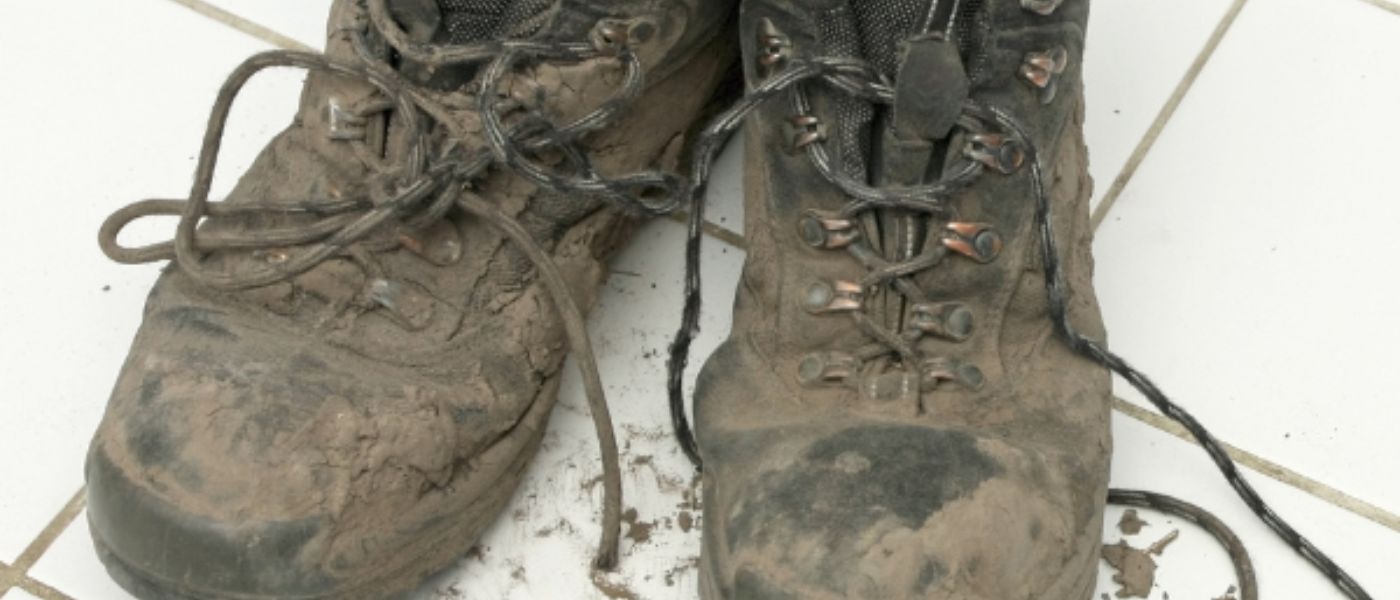
First, knock the boots together and brush away loose dirt, dust, and small stones with a soft brush. Pay special attention to the sole tread – caked mud can affect grip.
3. Thoroughly wash the boots
Now clean the boots with lukewarm water and a soft brush. For heavier soiling, you can use a special shoe cleaner. Avoid harsh household cleaners, dish soap, or washing machines – these damage membranes, leather, and adhesive bonds.
4. Clean insoles and laces separately
Wash the insoles and laces with a bit of mild soap under running water. Let both air dry – never on a radiator.
5. Dry your boots properly
Avoid direct heat sources like radiators, ovens, or direct sunlight – these dry out the leather and make it brittle. Stuff the boots with paper towels or newspaper that absorb moisture. Change the paper after a few hours and let the boots dry completely in a well-ventilated, shaded location.
Leather care and waterproofing your hiking boots
Once the boots are clean and dry, it's time for actual care. Leather hiking boots need regular fat or wax to stay supple. Apply the care product thinly with a soft cloth or sponge and let it soak in. Synthetic models or boots with Gore-Tex membranes don't need leather fat – a good waterproof treatment is enough here.
Waterproofing protects against moisture and dirt. Important: always waterproof slightly damp boots – the spray distributes evenly that way. Hold the spray about 20 cm away and spray evenly in several thin layers. Then let dry.
Tip: Just like your boots, your functional textiles also need regular care. You can learn how to properly wash and care for merino wool in our detailed care guide.
Proper storage of hiking boots and accessory care
To keep your hiking boots in top condition during off-season, store them in a dry, dark, and well-ventilated location. Avoid damp basements, sun-exposed window sills, or sealed plastic bags – mold and material damage are otherwise inevitable. Loosely stuffing with paper helps maintain the shape.
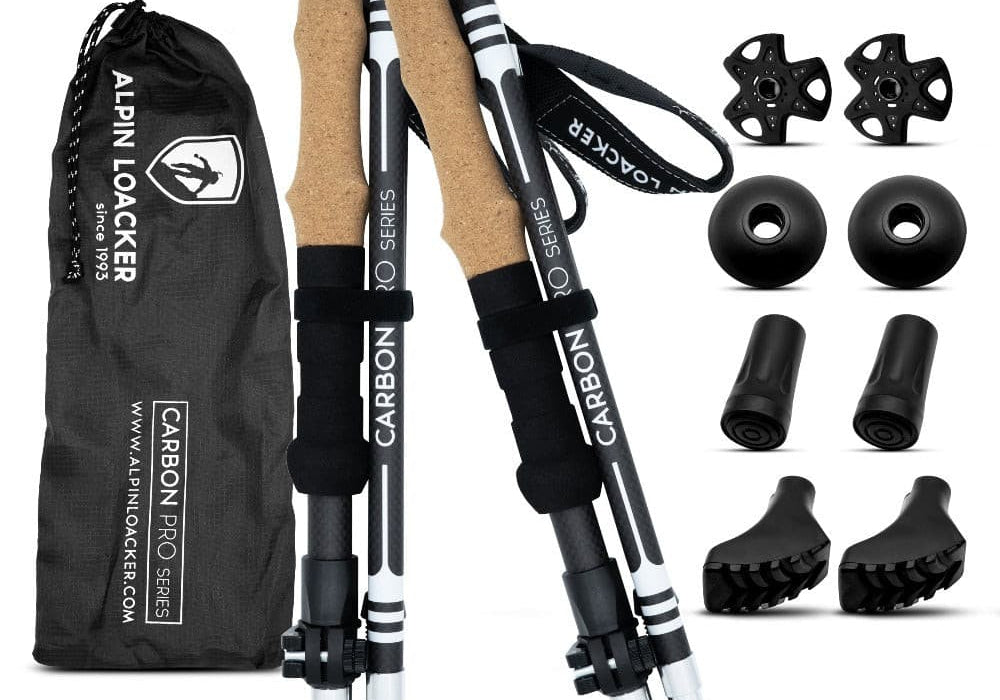
Your other equipment also benefits from proper storage: trekking poles should be cleaned after each tour and stored dry. If you use foldable models, our article about foldable trekking poles for winter hikes offers practical tips. You can also learn which tip is right for which terrain in our magazine.
For longer tours, it's worth taking a closer look at additional equipment – for example, a lightweight 40-liter backpack for multi-day tours, which reduces pressure on feet and boots through its low weight.
Frequently asked questions about hiking boot care
How often should I clean and care for my hiking boots?
After each tour, remove loose dirt and let the boots dry. Thorough cleaning including waterproofing is recommended every 5 to 10 tours depending on use – at the latest when water no longer beads off.
Can I wash my hiking boots in a washing machine?
No. The washing machine can loosen adhesive bonds, damage membranes, and ruin the leather. Always clean your boots by hand with lukewarm water, a soft brush, and if necessary, a special shoe cleaner.
How do I properly dry wet hiking boots?
Never on a radiator, in an oven, or in direct sunlight. Stuff the boots with newspaper or paper towels, change the paper several times, and let the boots dry completely in an airy, shaded location. This keeps the leather, adhesive bonds, and membranes intact.