




Who doesn't know it: You're in the middle of a stunning tour, and suddenly every step becomes painful. Blisters on feet while hiking – prevent & treat is therefore a topic that affects every outdoor enthusiast sooner or later. The painful blisters can completely ruin your most beautiful hike. The good news: With the right tips, you can effectively prevent blister formation and act quickly in an emergency to keep walking pain-free. This is how you master every trail with ease.
Typical causes of blisters while hiking
A blister on the heel or toe doesn't form by chance. Usually, there are clearly identifiable causes behind it that you should know about to avoid them deliberately:
- Heat: Especially during the warm season, blisters form quickly while hiking. The temperature inside the shoe increases further due to friction. Without regular breaks, blisters are inevitable.
- Moisture: Excessive sweat softens the skin and makes it more vulnerable. Sweating of the feet is a year-round issue for many hikers.
- Pressure and friction: Poorly fitting shoes cause pressure points, slipping socks cause friction. Both inevitably lead to painful blisters.
- Anatomical causes: Foot misalignments such as flat feet or splayed feet promote blisters regardless of footwear.
What can I do about blisters on my feet while hiking? Prevent & treat
There are many tips for preventing blisters – we show you the truly effective strategies for blister prevention that have proven themselves in practice.
1. Wear suitable hiking boots
The most important point is the right footwear. Hiking boots should be neither too tight nor too loose, provide firm support in the heel area, and leave enough room for the toes in front. Important: Always break in new hiking boots on shorter tours before using them for major mountain hikes.
2. Choose the right socks
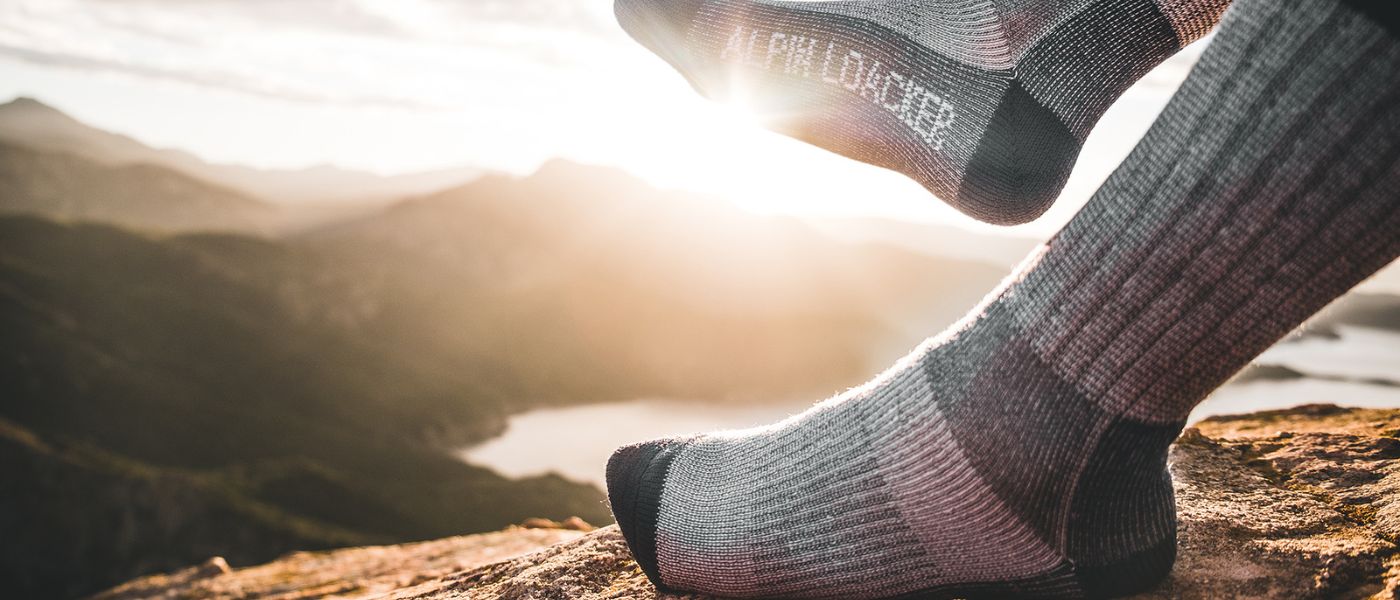
The choice of socks is just as crucial as the boot itself. Cotton socks are a no-go when hiking, as they retain moisture. Instead, opt for functional Merino socks that keep your feet dry and friction-free. Merino wool naturally regulates temperature and moisture and is also odor-resistant – ideal for multi-day tours. Learn more about the special properties and benefits of Merino wool in our detailed guide.
3. Prepare and care for your feet
Before each tour, a short foot care routine is recommended. Cut nails short and file down rough areas. Moisturizing with deer tallow or special anti-blister cream can prepare the skin for longer exertion. On sensitive areas like heels or toes, you can preventively apply tape or blister plasters.
4. Trekking poles relieve foot strain
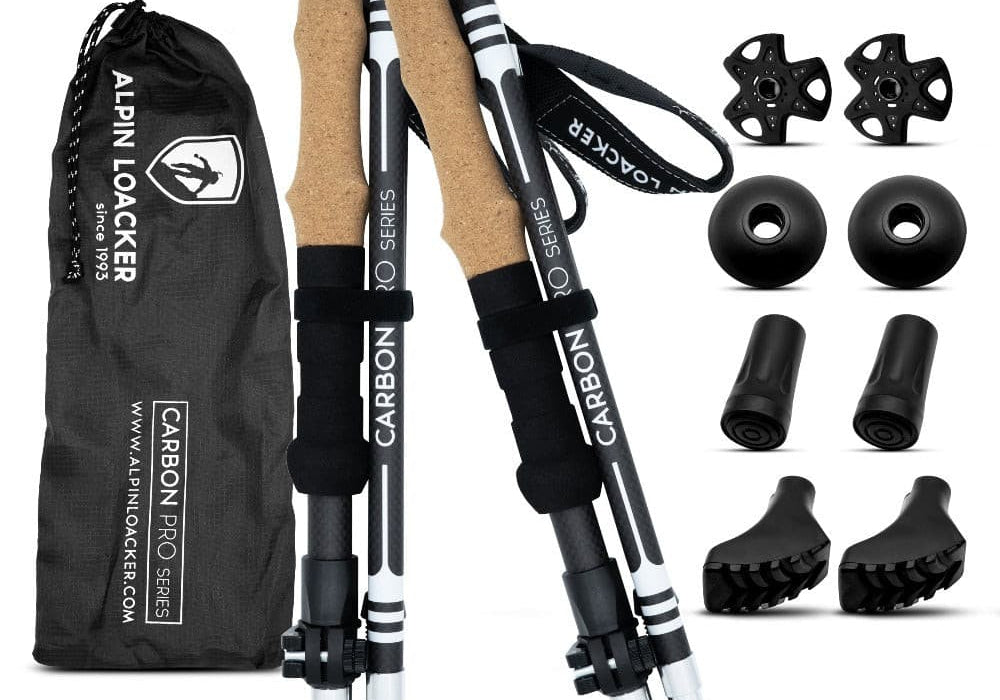
What many underestimate: Trekking poles noticeably relieve your feet and thus reduce friction in the shoe. Especially on long descents, they help minimize pressure on the toes. If you prefer to travel light, choose carbon trekking poles for long trekking tours – they're durable and easy on the joints.
5. Take breaks and air out your boots
Give your feet regular breaks. Take off your boots, change your socks, and let everything air out briefly. This lowers the temperature, reduces moisture, and gives your skin time to recover.
Blisters on feet while hiking: prevent & treat in an acute case
Despite all your preparations, a blister can form while you're out. It's important to act immediately as soon as you notice a pressure point.
- Small blisters: Close them with a blister plaster. This second skin cushions and protects against further friction.
- Large blisters: If the blister prevents you from continuing, you can open it with a sterile needle at the edge. Gently press out the fluid, but leave the skin as natural protection for the wound.
- Disinfect: Thoroughly clean the area and cover it with a sterile plaster.
- Relieve pressure: Tape or padding around the blister prevents further friction while continuing to hike.
The right outdoor equipment makes the difference
Hiking blister-free begins with the right equipment – from sock choice to route planning. If you're out for several days, you should also think about restful sleep: With a lightweight sleeping pad with the best mix of insulation and comfort, your feet will recover better overnight. Functional base layers made of Merino wool also support well-being on the tour – you should know the benefits of Merino wool and its proper care as a hiker.
With thoughtful preparation, the right sock choice, and a bit of mindfulness, you'll rarely experience blisters on your feet in the future. This leaves more energy for what really matters: enjoying nature.
FAQ: Frequently asked questions about blisters on feet while hiking
How long does it take for blisters on feet to heal?
The healing time for a blister depends on its size and location. As a rule, it takes between a few days and up to three weeks for blisters on the feet to heal completely. Cleanliness and pressure relief speed up the process.
Should I open the blister or not?
You should try not to open small blisters, as intact skin is the best protective barrier. If a very large blister prevents you from hiking, you can open it with a sterile needle at the edge. Be sure to follow up with wound care, disinfection, and a plaster.
Which socks are best for preventing blisters while hiking?
Hiking socks made of Merino wool are best. They reliably transport moisture away, regulate temperature, and fit wrinkle-free on the foot. This reduces friction and heat buildup – the two main causes of blisters – to a minimum.